
Last updated November 25, 2026
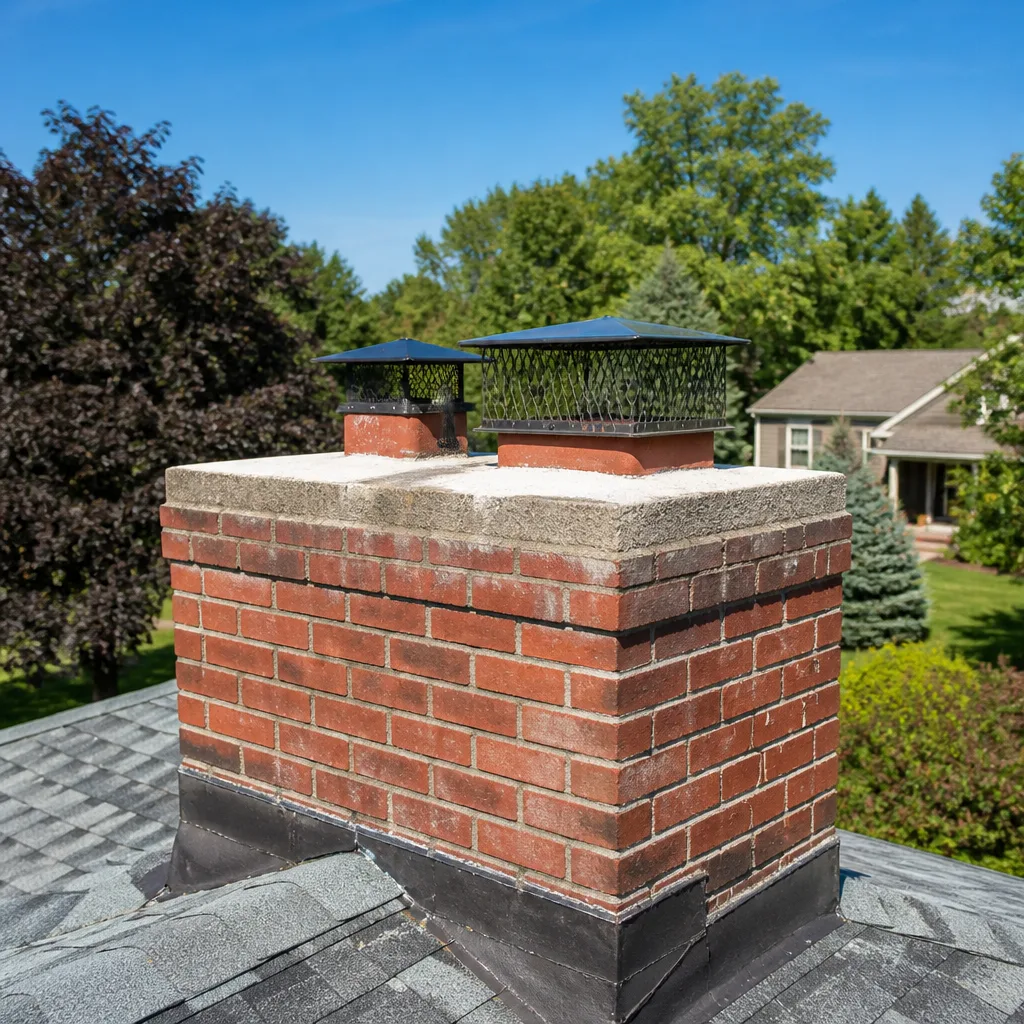 Sweep & inspection
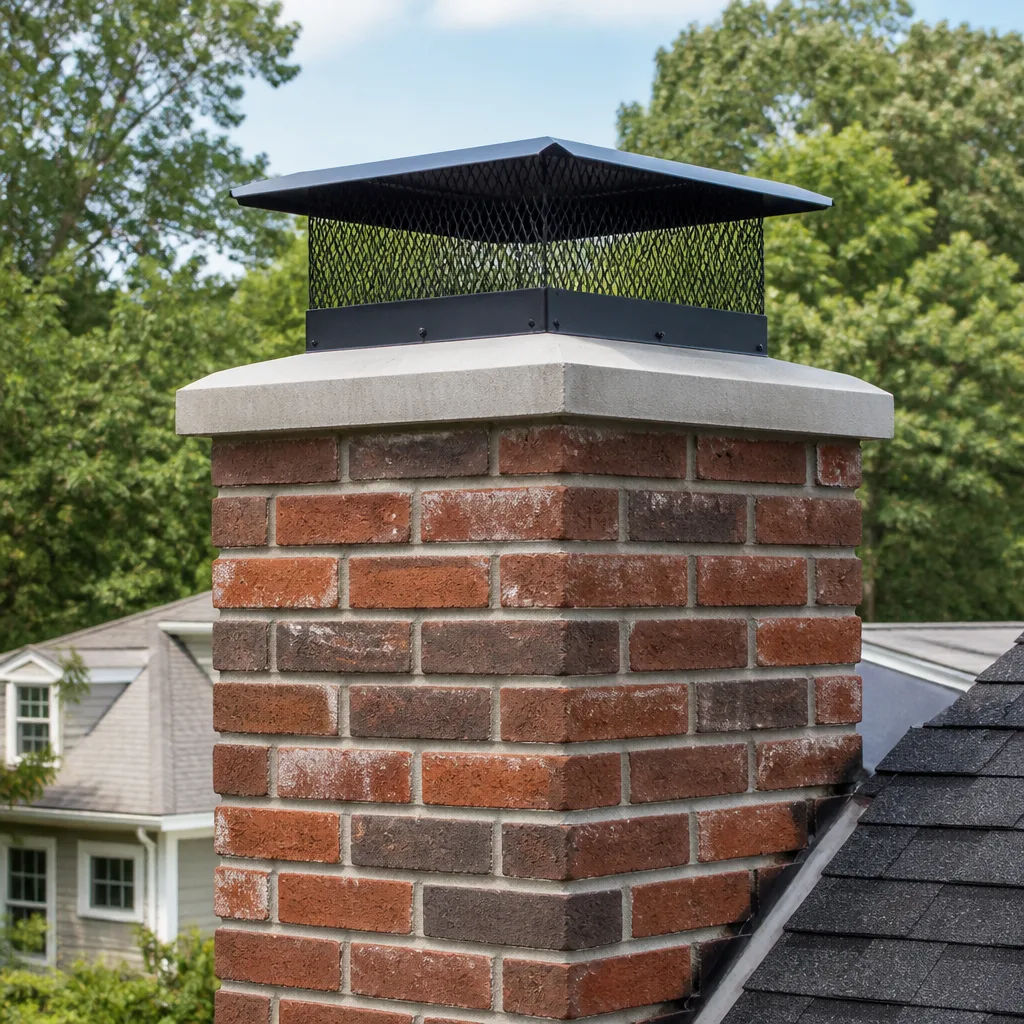 Caps & crowns
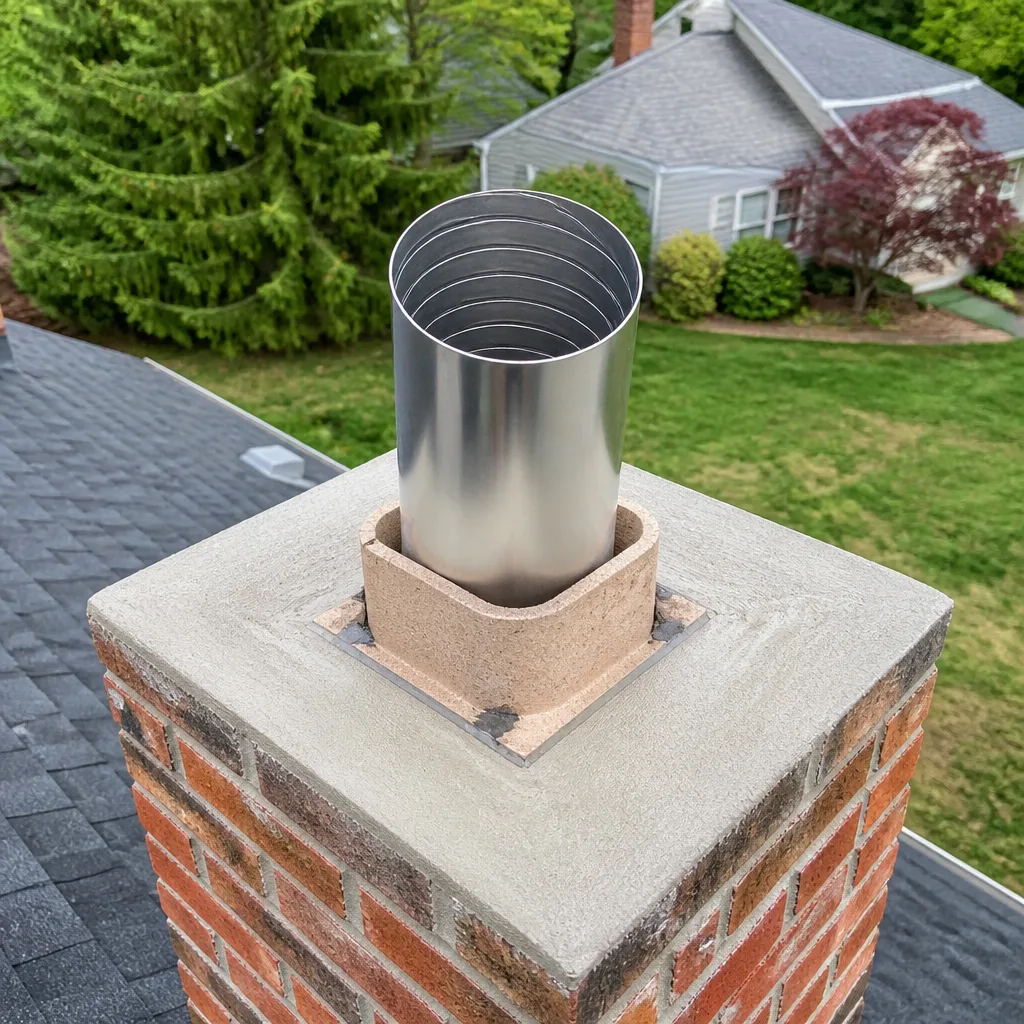 Flue relining
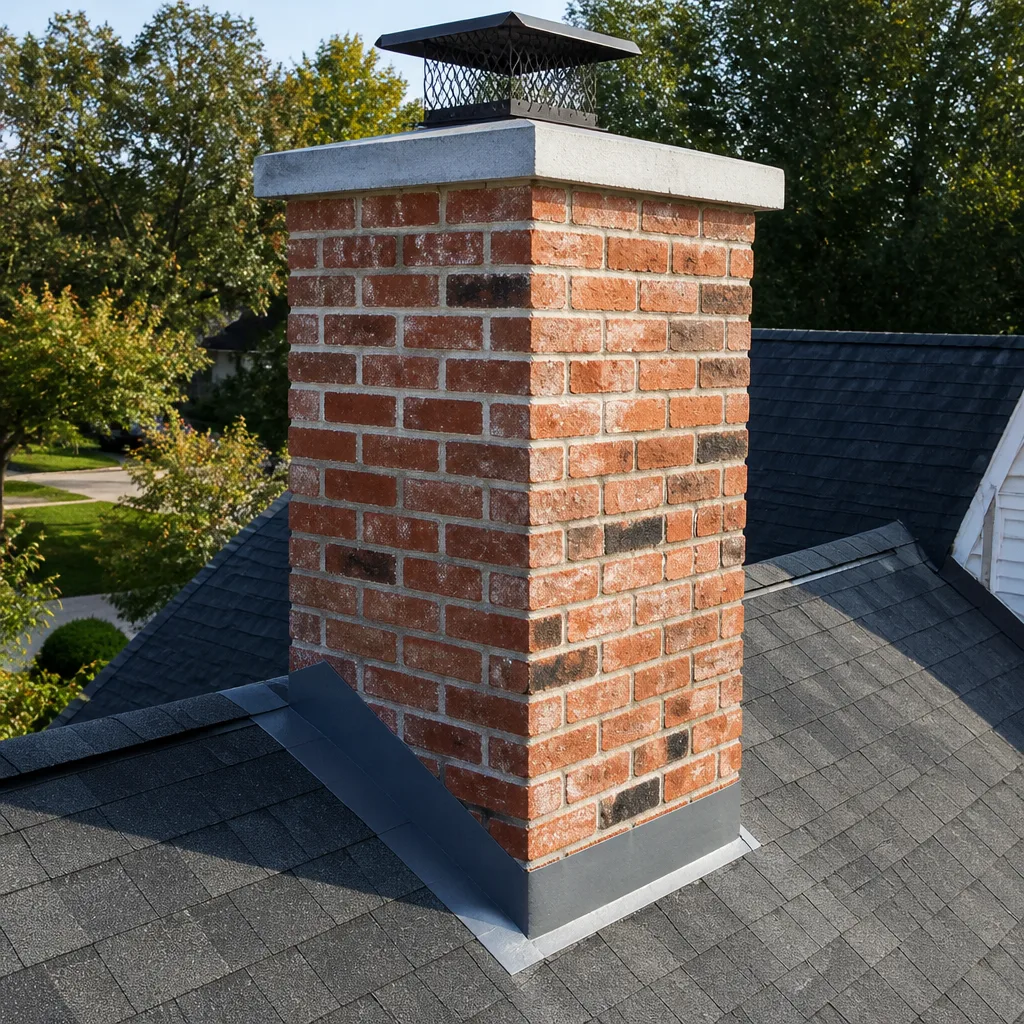 Masonry repair
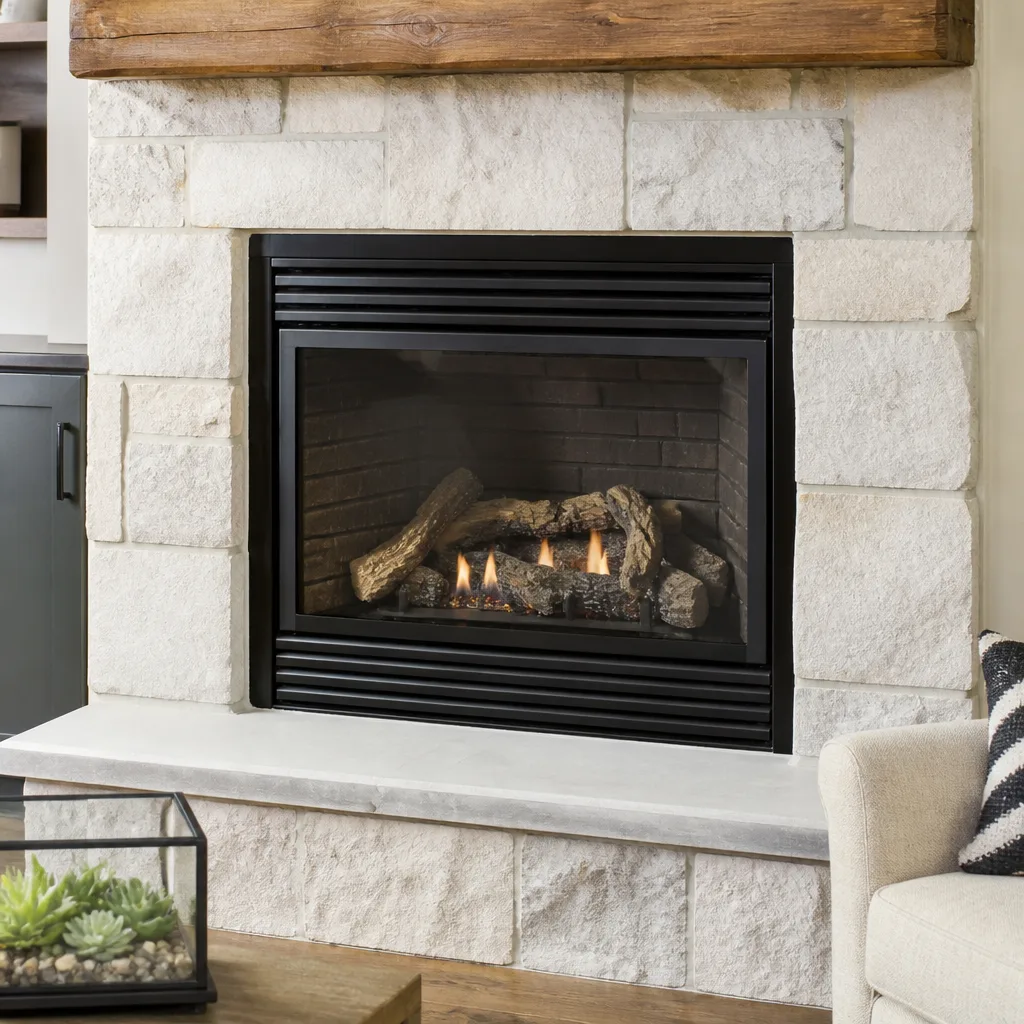 Gas fireplace service
Level 1 sweep and inspection to the NFPA 211 annual standard - flue, crown, cap, and flashing checked and photographed
Chimney sweep logs do not sweep chimneys. They loosen some creosote - which then falls where a brush and vacuum still have to collect it.
Chimney Cleaning Permits, Codes & Inspections in Tacoma, WA: What You Need to Know
Most chimney work in Tacoma needs no permit at all. A sweep is maintenance, and maintenance doesn’t go through the building department. The confusing part is that the line between “maintenance” and “structural alteration” runs right through the middle of a typical repair quote, and plenty of homeowners never learn which side of it their job landed on until a buyer’s inspector starts asking questions during escrow. A flue liner swap, a firebox rebuild, a new insert: those are the jobs that cross over. In this guide we’ll map exactly where the permit threshold sits in Tacoma’s code, which standards Washington has adopted, who pulls the permit and how long it takes, and how to check whether past work on a home you’re buying was ever signed off.
Quick Answer
Routine chimney cleaning in Tacoma, WA does not require a building permit. Repairs that change or replace structural components of the chimney system – flue liner replacement, firebox reconstruction, insert installation, or significant masonry alteration – generally do require a City of Tacoma building permit, and the licensed contractor performing the work is usually the party responsible for pulling it. Inspections are separate from permits and are governed by industry standards, not by the permit desk.
A good rule of thumb: if the work puts something new or different permanently inside the chimney, ask about a permit. If the work removes creosote and leaves the structure as it was, you’re in maintenance territory.
Styles & brands we work with
- Sweep & inspection
- Caps & crowns
- Flue relining
- Masonry repair
- Gas fireplace service
Table of Contents
- Where does chimney work switch from maintenance to permit-required?
- Which chimney standards does Washington State follow?
- How are chimney permits pulled in Tacoma, and who’s responsible?
- What does a Level 2 inspection report mean in a Tacoma real estate transaction?
- How do you check whether past chimney work was permitted?
- What are the inspection levels, and which one do you need?
- How does Tacoma weather affect chimney work and timing?
- What should you ask before hiring a chimney contractor in Tacoma?
Where Does Chimney Work Switch From Maintenance to Permit-Required?
The threshold sits at structural change. Cleaning creosote out of an existing flue, replacing a cap that blew off in a windstorm, or installing a top-sealing damper are all maintenance and repair tasks that don’t require a building permit in Tacoma. Once the work alters the chimney’s components – a new liner, a rebuilt firebox, a changed flue configuration, or a new appliance connected into the system – you’ve crossed into work that generally needs a permit and an inspection.
Think of it as two buckets:
- No permit typically required: routine sweeping, cap replacement of like-for-like size, crown sealing and minor mortar repair, damper replacement, bird guard installation, and a visual inspection.
- Permit generally required: relining or replacing a flue liner, firebox reconstruction, converting to a different fuel type, installing or replacing a wood or gas insert, and any structural masonry work that changes the chimney’s footprint or height.
One wrinkle specific to Tacoma: a lot of the housing stock here dates to the early and mid-1900s, especially in neighborhoods like North End and Proctor, where original masonry chimneys are common. Those chimneys have frequently been patched over the decades with whatever was available. When a repair on an older Tacoma chimney involves removing and replacing a component rather than just sealing it, we treat it as permit territory until the city says otherwise. It’s better to ask the question up front than to discover the answer at closing.
The practical test is simple. If a future inspector could look at the chimney and say “that’s not what was originally there,” the work almost certainly needed a permit.
Which Chimney Standards Does Washington State Follow?
Washington has adopted the International Residential Code and the International Mechanical Code as the basis for chimney and venting requirements, and those codes incorporate NFPA 211, the Standard for Chimneys, Fireplaces, Vents, and Solid Fuel-Burning Appliances, by reference. What that means practically is that NFPA 211’s clearance and construction standards carry real legal weight here. A contractor can’t just decide a chimney is “close enough.”
The two provisions that come up most in our work:
- Clearances to combustibles. NFPA 211 sets minimum clearances between the chimney structure and framing, insulation, and other combustible material. A chimney that was built tight against wood framing in a 1940s Tacoma home is a real hazard, and a contractor is not permitted to simply sweep and walk away from it without documenting the problem.
- Liner requirements. The standard requires a properly sized, continuous liner for the appliance connected. A flue with cracked clay tile, gaps, or no liner at all does not meet the standard, and relining is the accepted repair. This is where products like HeatShield ceramic resurfacing or a DuraFlex flexible liner come into the picture – a restored or replaced liner brings the system back into compliance when replacement of the original tile isn’t practical.
Where Washington gets stricter than some states is in the permitting process for anything that touches the liner. Because a liner replacement is a structural change to the vent system, the permit process on a Tacoma liner job typically includes an inspection to confirm the new liner is installed per code and properly connected. That inspection is a good thing: it’s documented proof, on file, that the work was done to standard. When a homeowner calls us to look at a liner issue, we explain what the code expects and what the honest options are – patch versus reline versus defer. If the chimney can safely wait, we say so. We’d rather be the company that told you the truth than the company that sold you a liner you didn’t need.
Older inserts are worth flagging here too. A pre-1990s insert connected into a flue without a proper liner is one of the most common code violations we see in Tacoma homes. It’s a permit job to correct, and it’s not optional once the insert is in use.
How Are Chimney Permits Pulled in Tacoma, and Who’s Responsible?
The licensed contractor performing the work is normally the party who pulls the permit and schedules the rough-in and final inspections. Homeowners can pull permits for work on their own primary residence in many cases, but the process is built around the tradesperson who will be on the roof and inside the flue – and permit work performed by an unlicensed party is a separate problem on its own.
The typical sequence on a Tacoma liner replacement or firebox rebuild looks like this:
- Scope and estimate. The contractor inspects, determines what the code actually requires, and provides a written scope of work.
- Permit application. The contractor applies to the City of Tacoma with the scope, materials, and any required drawings or product listings. Product listings matter: a listed liner system like DuraFlex or a listed repair product like HeatShield carries documentation the city can verify.
- Review and issuance. Simple chimney permits are typically reviewed within days, though timelines depend on the city’s workload and the completeness of the application. We won’t quote you a specific number of days because we don’t control the city’s desk; we’ll tell you where your permit stands.
- Work and inspection. Rough-in inspection where required, then final. The signed-off permit is the paper trail that protects you later.
Who’s responsible if the contractor doesn’t pull the permit? Practically, the homeowner inherits the problem. The permit is attached to the property, not the contractor’s license, so unpermitted work sits on your house. When you’re evaluating a bid in Tacoma, ask directly: “Will you pull the permit, and will I get a copy of the inspection sign-off?” If the answer is vague, that bid is telling you something.
This is one reason we like working with contractors who handle the whole chimney scope themselves, from diagnosis through final. A single point of contact who knows the permit sequence from the inside is much less likely to leave a job half-documented. Our own role here is to connect you with vetted local professionals who work this way, not to be the permitting department; the contractor you hire carries the permit.
What Does a Level 2 Inspection Report Mean in a Tacoma Real Estate Transaction?
A Level 2 inspection means a technician examines the accessible portions of the chimney, including the flue interior by video camera, and documents conditions in a written report with photos. In a Tacoma real estate transaction, that report is typically what a buyer’s agent orders after the general home inspection flags the fireplace, and it frequently surfaces conditions the seller never knew about. Once a seller has that report, or has knowledge of its findings, disclosure obligations come into play – and a known defect that was disclosed but never repaired becomes a negotiating issue.
A Level 2 inspection is the appropriate call when a property is changing hands, after a chimney fire, or after an earthquake or other event that may have damaged the chimney. It’s also the call when a homeowner has no service history and wants to know what they actually bought. We offer inspection as a standalone service precisely because that’s a different job from cleaning. You don’t need to buy a sweep to get an honest assessment, and the report is yours whether or not you hire anyone to do the work.
In our experience with Tacoma transactions, the findings that stop a sale cold are usually liner-related. A cracked clay liner, a disconnected insert flue, or a chimney that never had a proper liner in the first place – any of those, paired with missing permit records, gives the buyer’s side leverage to demand a credit or a repair. Sellers who took the time to get a Level 2 before listing generally have a much smoother escrow, because they know what’s on the report before the buyer’s inspector does.
The report is also where you get the evidence. Nothing on a Level 2 should be a mystery: you should be able to see the camera footage of your own flue and understand why a repair is recommended. That’s the standard we hold the work to.
How Do You Check Whether Past Chimney Work Was Permitted?
Chimney permits are public records, and you can look up a property’s permit history through the City of Tacoma’s online permit portal or by contacting the city directly. Pierce County maintains its own records for unincorporated areas. The key is knowing property addresses fall under different jurisdictions depending on where they sit within the county.
Here’s the process we suggest to buyers in Tacoma:
- Start with the seller’s disclosure. Ask what chimney work has been done and who did it. “Replaced liner” without a permit number or inspection record is a red flag worth following up.
- Look up the address in the City of Tacoma permit portal. Search by address and look for chimney or fireplace permits, inspection results, and dates. A permit issued and inspected is strong evidence the work was done to code.
- If the property is in unincorporated Pierce County, check the county’s permit records instead. The jurisdiction follows the parcel, not the mailing address.
- Match what you find to what’s on the chimney. A permit for a liner replacement but a chimney with cracked original tile visible means something’s off. A listed brand on the new liner, like Copperfield or DuraFlex, can sometimes be identified from the label or documentation.
- Get a Level 2 inspection if the records are missing or unclear. The inspector can tell you whether the work as installed meets current standards and whether it’s likely to have been permitted.
Missing records aren’t automatically a defect. Plenty of old Tacoma homes had chimney work done decades ago when permitting was looser or records weren’t kept the way they are now. What missing records mean is that you can’t assume the work was done correctly, which is why the follow-up inspection matters. We can work with you and a buyer’s agent to figure out what’s actually on file and what the condition really is.
What Are the Chimney Inspection Levels, and Which One Do You Need?
Chimney inspections are classified into three levels by industry standard, and knowing which one applies saves you from paying for the wrong scope. The levels move from visual to camera to destructive as the job requires.
- Level 1: A visual inspection of accessible portions, without camera. Appropriate for a routine annual checkup when the chimney has no known issues and hasn’t changed. Often bundled with a cleaning.
- Level 2: Adds video scanning of the flue interior and access to concealed areas. Required after a chimney fire, after a change of fuel or appliance, and standard for real estate transactions.
- Level 3: Adds removal of portions of the structure to inspect concealed areas. Rarely needed; triggered when the condition found in a Level 1 or 2 can’t be evaluated without opening something up.
For a Tacoma homeowner with no known problems, a Level 1 with a sweep is usually right. For a buyer, a seller listing their home, or anyone who’s had a chimney fire or a new insert installed, ask for a Level 2. If a contractor recommends skipping to a Level 3, that’s worth a conversation about why, and about whether the actual problem could be diagnosed less invasively first.
One fact that surprises many homeowners: a Level 2 inspection isn’t a sales pitch. If you call us for a standalone inspection, we’ll give you the report and the honest recommendation even if the honest recommendation is “come back in two years.” We do a lot of repairs, and we’re paid per job by the written estimate, but we won’t invent a problem to make the report look urgent.
How Does Tacoma Weather Affect Chimney Work and Timing?
Tacoma’s damp, wet winters and its long shoulder seasons of drizzle are genuinely hard on masonry. Water enters masonry chimneys through the crown, the flashing, and the mortar joints, then freezes and expands during the occasional cold snap – which is how a small crack in a crown becomes a large one over a few seasons. The Tacoma climate doesn’t produce hail or coastal corrosion as the main threat. What it produces is persistent moisture, and that’s the driver for most of the crown and flashing repairs we recommend.
Because so much of the damage is water-driven, timing matters more than it does in drier climates. Crown sealing and cap installation are best done before the wet season, not during it. The seasonal urgency for a sweep is in the fall, ahead of the burning season, so the flue is clear when you first light a fire. If you’re scheduling work on a Tacoma chimney, we generally see the most productive window between late spring and early autumn, when the roof is safe to work on and the mortar can cure properly.
A visible crown crack or a missing cap is a job to schedule, not necessarily a same-day emergency. We’d rather tell you the honest timeline – and note that Tacoma’s building department handles permit review on its own schedule – than rush a repair that could wait for better weather. If the crown is actively allowing water into the chimney structure, that’s the case where we say fix it now and don’t wait.
What Should You Ask Before Hiring a Chimney Contractor in Tacoma?
A few direct questions will separate a serious chimney contractor from someone who’ll leave you with an unpermitted mess. Ask them, in this order, and listen to how the answers come back. If any of them gets deflected, walk away and call someone else.
- “Will you pull the permit for liner or firebox work?” The answer should be yes, with a copy of the sign-off at completion. Anyone who tells you a permit isn’t needed for a liner replacement is either wrong or planning to skip the process.
- “Can I see the camera footage of my own flue?” You should be able to see what they saw and understand why the recommendation makes sense. A recommendation you can’t verify isn’t a recommendation, it’s a bill.
- “What brand of liner and repair product do you use, and why?” A professional-grade roster – DuraFlex, HeatShield, Olympia Chimney, Copperfield – is a signal of trade-level sourcing. A brand that comes from the local hardware aisle is a signal of something else.
- “Is this urgent, or can it wait?” You want to hear the option that saves you money, sometimes even when the repair is real.
- “What’s the written scope of work, and is the estimate flat?” A flat-price scope agreed before booking protects you from surprises on the invoice.
One more, and it’s the one that catches people: ask whether they handle the whole chimney job under one roof. A contractor who does the sweep but outsources the liner and the cap has more room to lose track of the permit paperwork between the two companies. We connect homeowners with vetted local professionals who handle the whole chimney – from the firebox to the crown – so there’s a single point of contact from diagnosis through final inspection. Our technicians have up to 10 years of experience, and the local pro we connect you with is licensed and insured as their state requires.
Common Mistakes to Avoid
- Assuming all chimney work needs a permit. It doesn’t. Sweeping, cap replacement, and crown sealing are maintenance. Skip the permit question on those and you’ll waste time and money. Save the paperwork for liner, firebox, and insert work.
- Assuming no chimney work needs a permit. This is the more expensive mistake. A liner replacement done without a permit is undocumented work that becomes a disclosure problem when you sell, and Tacoma buyers’ agents are increasingly asking for permit records on exactly this type of work.
- Skipping the Level 2 before listing. Sellers who wait for the buyer’s inspector to find a liner problem lose negotiating room. Order the Level 2 first, know what’s on the report, and fix what you’re going to fix on your own schedule.
- Not asking to see the camera footage. A report that says “liner needs replacing” without video evidence you can watch is asking you to take a stranger’s word for a four-figure decision. Ask to see it.
- Using a generalist for a liner job. A handyman or general contractor may get the liner in, but the permit, inspection, and listed product documentation are specialized work. Use a chimney specialist who does this every week.
- Ignoring missing permit records on a home you’re buying. You can look up the records yourself through the City of Tacoma or Pierce County. If they’re not on file and the work is structural, budget for an inspection to confirm the installation meets standard.
- Confusing a sweep with an inspection. A sweep clears creosote and dust. An inspection evaluates condition and documents it. They’re different services, and reputable contractors offer both. In our experience, bundling them is fine, but the report is the part that protects you.
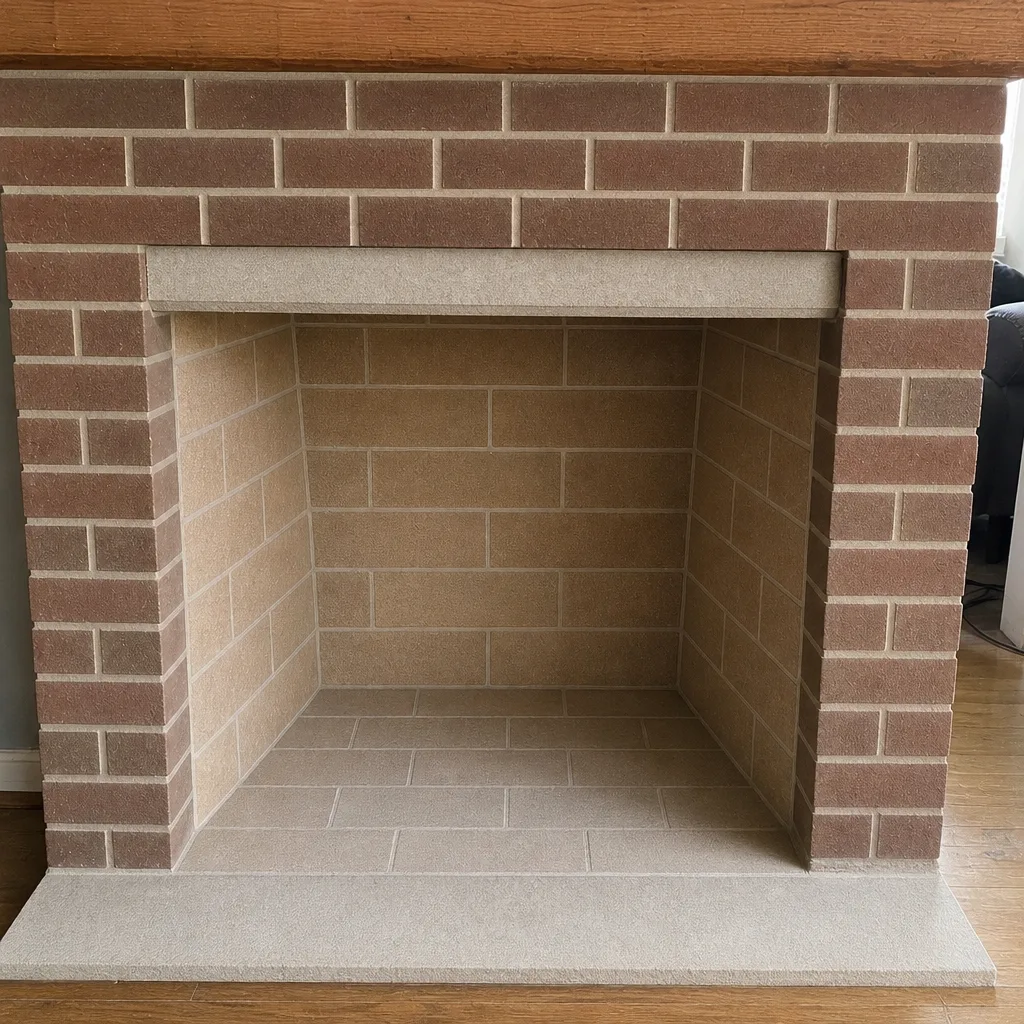
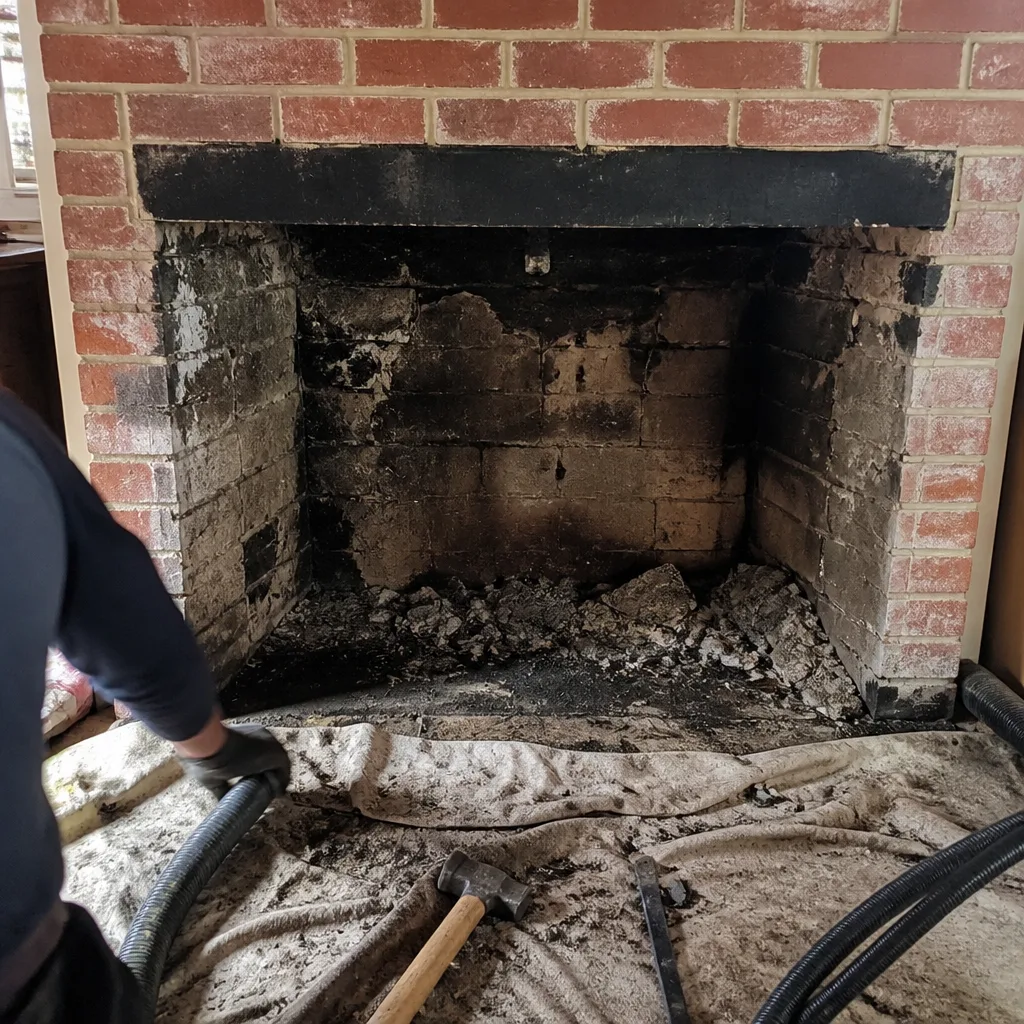
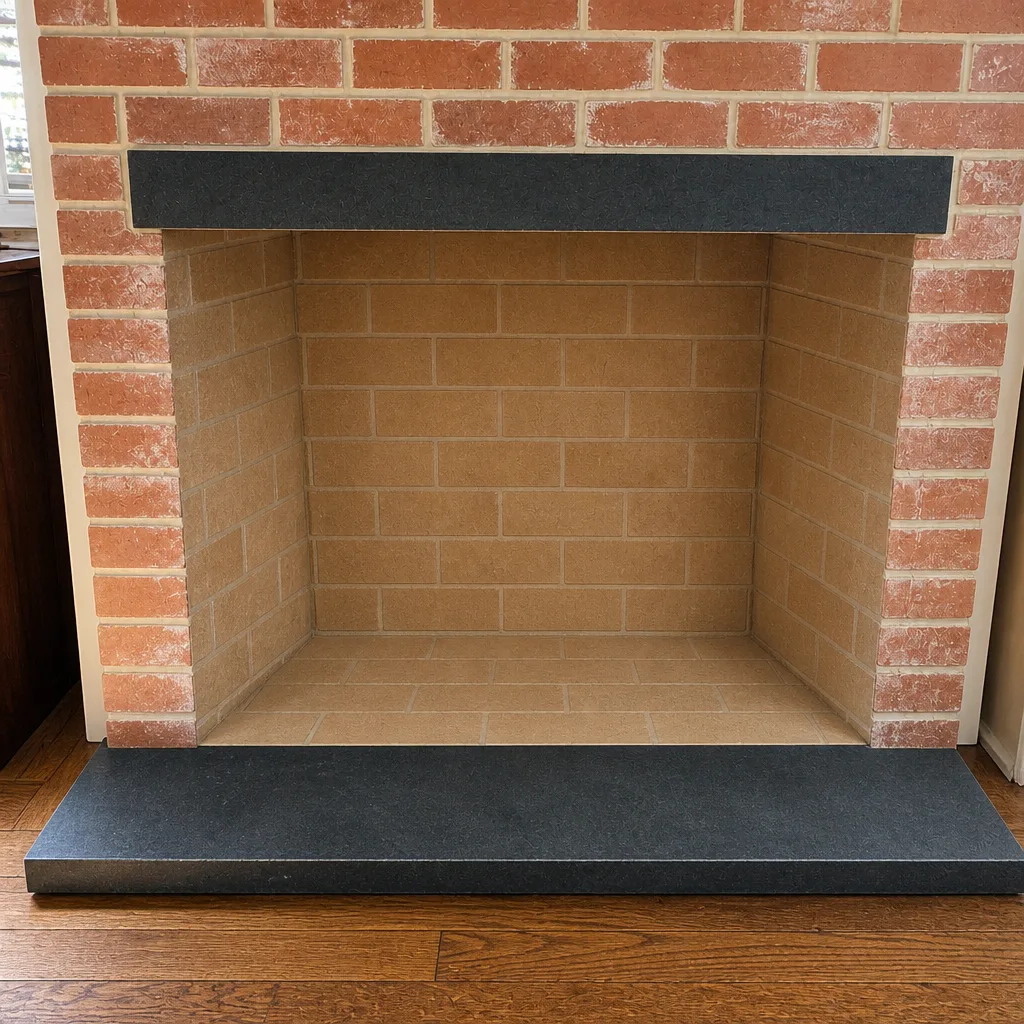
See the difference
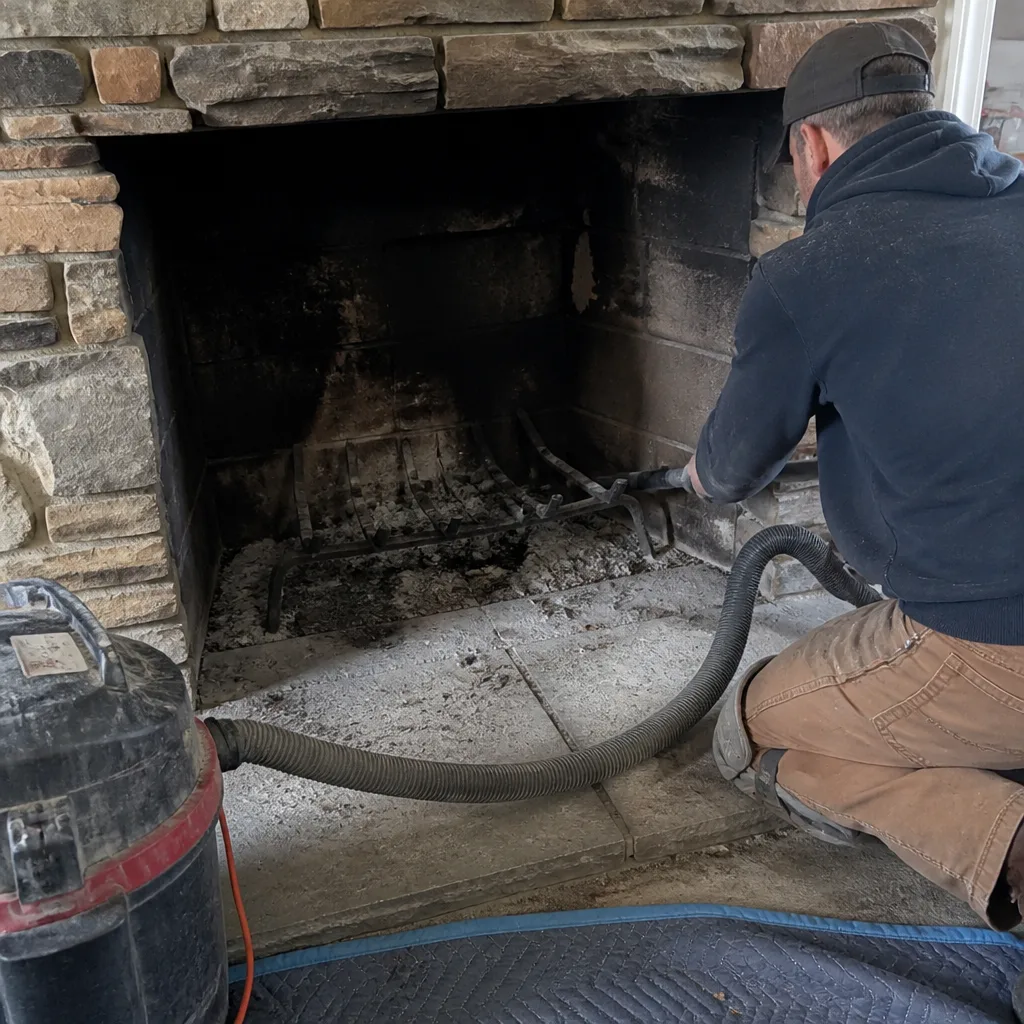 Before
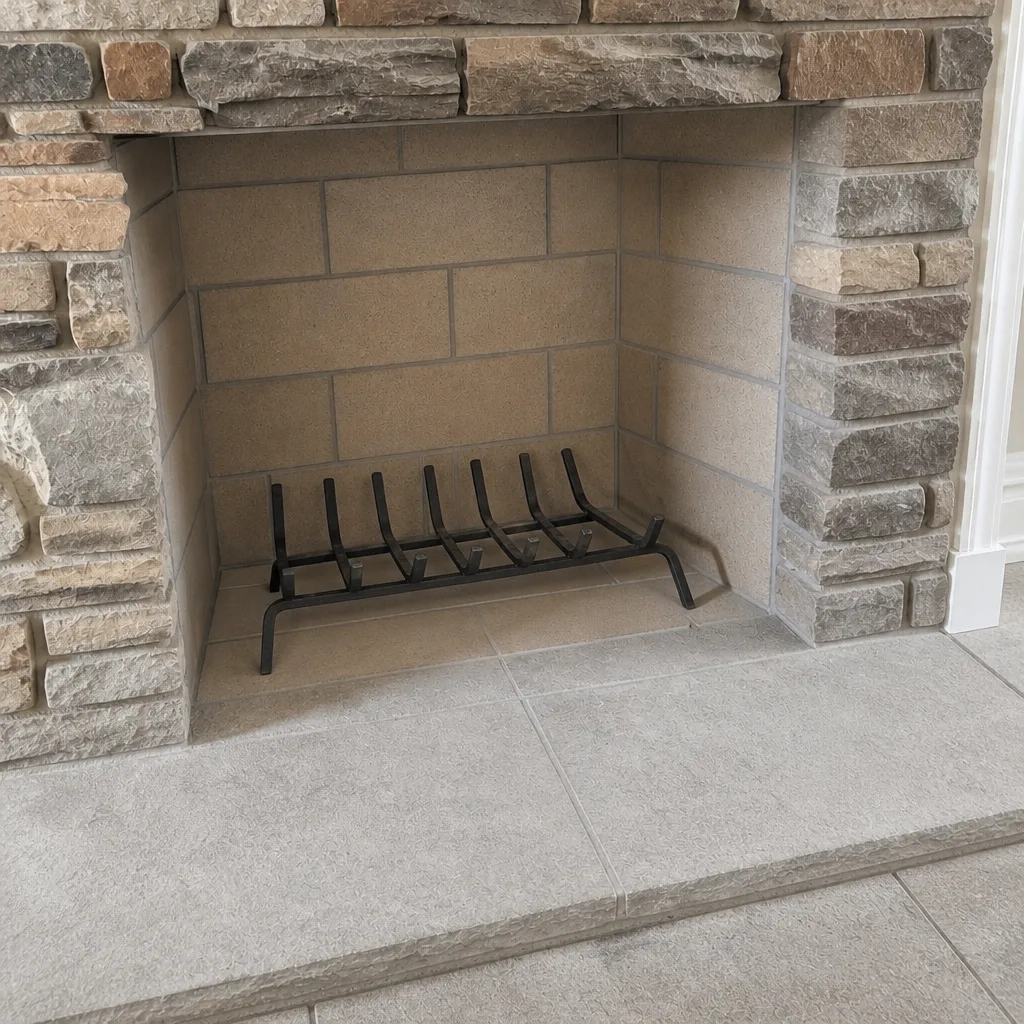 After
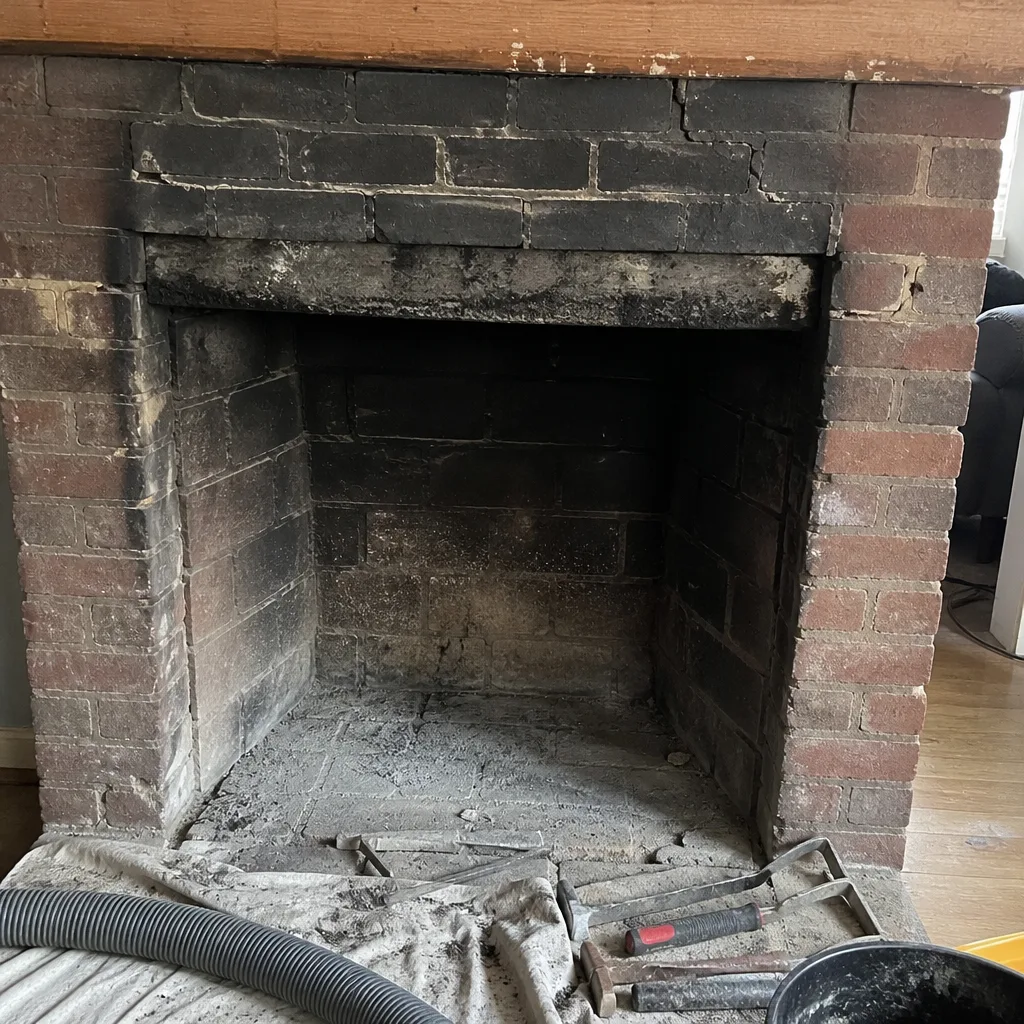 Before
 After
 Before
 After
When to Call a Professional
Call a chimney professional if you’ve never had the chimney inspected and you don’t know the service history, if you’re buying or selling a Tacoma home with a wood-burning or gas fireplace, or if a general inspector flagged the chimney condition. Call if you’re planning to install an insert or change fuel type – that’s permit territory and a specialist should scope it. Call if you’ve had a chimney fire, a cracked crown, or visible water damage inside the chimney. And call if you just want the flue swept before burning season; a clean flue and a safe fire are simpler than you think. Tacoma Chimney Sweep Co offers free estimates in Tacoma. Call (844) 945-4427.
Frequently Asked Questions
No. Routine chimney cleaning is maintenance and does not require a building permit in Tacoma. You only cross into permit territory when the work changes structural components of the system, such as replacing a flue liner, rebuilding a firebox, or installing a new insert. Call (844) 945-4427 for an exact quote on a sweep or inspection – estimates are free.
Yes, in most cases a liner replacement is a structural alteration and generally requires a City of Tacoma building permit with an inspection. The licensed contractor performing the work is normally the party who pulls it. Ask for a copy of the inspection sign-off when the work is finished. Call (844) 945-4427 to talk through your liner situation – estimates are free.
Timelines vary depending on the city’s workload and the completeness of the application, and we won’t quote you a specific number of days because we don’t control the building department’s desk. Simple chimney permits are generally reviewed in a short window once the application is complete. The best move is to ask your contractor where the permit stands before work begins.
The licensed contractor performing the work is normally the party responsible for pulling the permit. Homeowners can pull permits for work on their own residence in some cases, but permit work done by unlicensed parties is a separate problem. Always confirm in writing who is pulling the permit and that you’ll receive the final inspection sign-off. Call (844) 945-4427 if you want to know what a typical permit sequence looks like on a chimney job in Tacoma.
A Level 2 inspection includes video scanning of the flue interior and a written report with photos, and it’s the standard inspection for a real estate transaction in Tacoma. It’s not legally mandatory to sell, but once a seller has knowledge of a defect, disclosure obligations follow, and buyers’ agents increasingly ask for a recent Level 2. Order it before you list to control the timing.
Look up the property address in the City of Tacoma’s permit portal, or with Pierce County if the parcel is in an unincorporated area, and look for chimney or fireplace permits and inspection results. If records are missing, order a Level 2 inspection to confirm the installation meets standard. Call (844) 945-4427 to schedule a standalone inspection in Tacoma – estimates are free.
The Bottom Line
Cleaning your chimney in Tacoma is a maintenance job with no permit and no paperwork. Replacing the liner, rebuilding the firebox, or installing an insert is a structural alteration that generally needs a permit and an inspection, and the contractor you hire should be the one who pulls it and gives you the sign-off. Washington’s adoption of NFPA 211 sets the standard the work has to meet, and the inspection report is what proves it did. If you’re buying or selling a home in Tacoma, order the Level 2 before escrow gets complicated, and check the permit records yourself. When you’re ready to schedule a sweep, an inspection, or chimney cap & crown work, we can help. Visit Tacoma Chimney Sweep Co to learn more, or call us directly.
Call (844) 945-4427 for a free estimate. We answer 24/7. Fast dispatch from 7am to 7pm, Sunday through Friday.
Written by the team at Tacoma Chimney Sweep Co.