
Last updated November 25, 2026
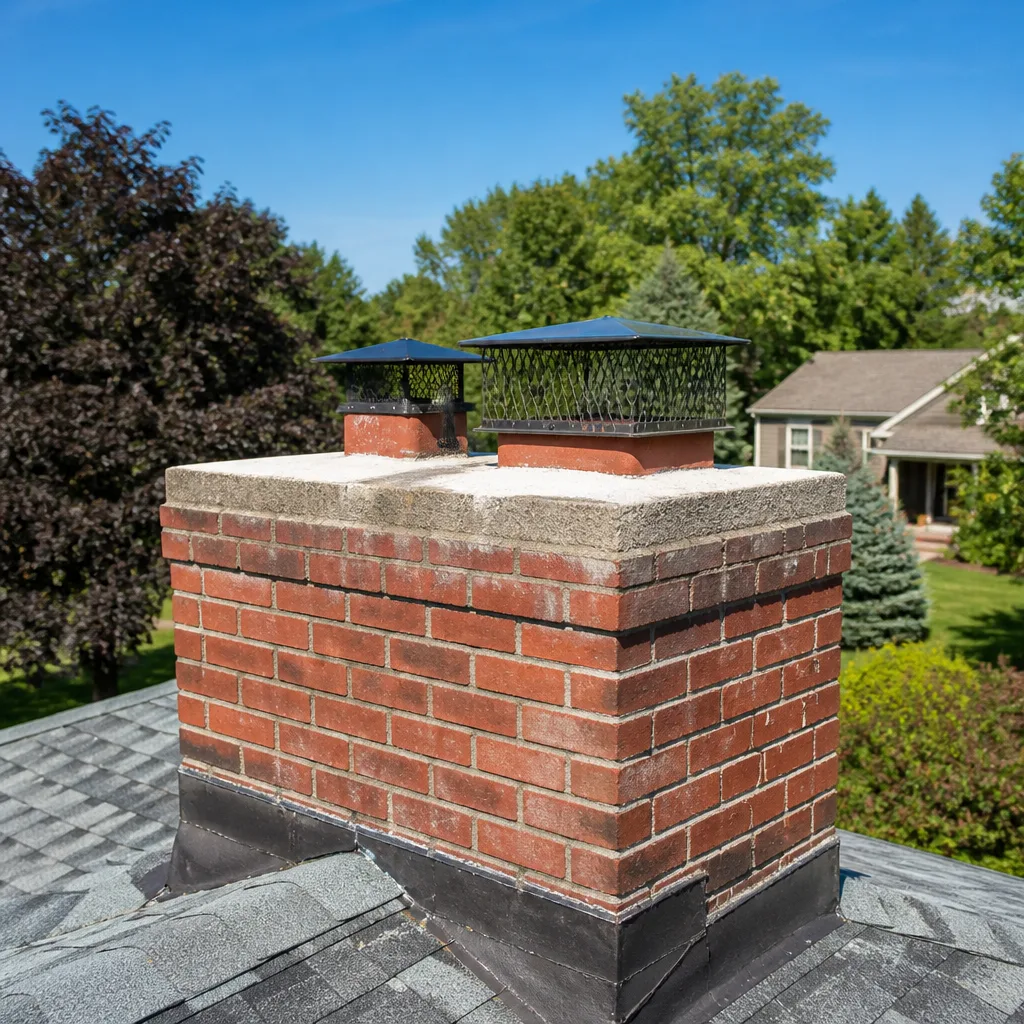 Sweep & inspection
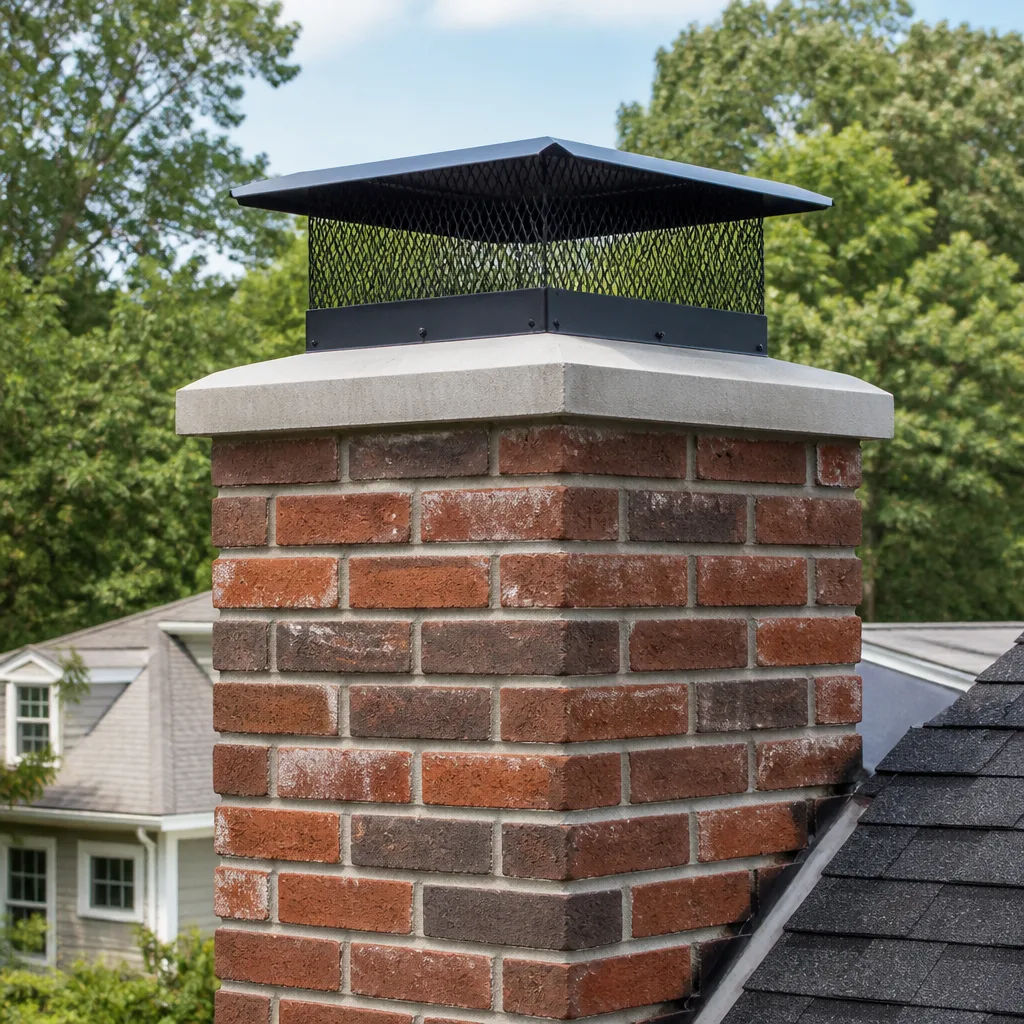 Caps & crowns
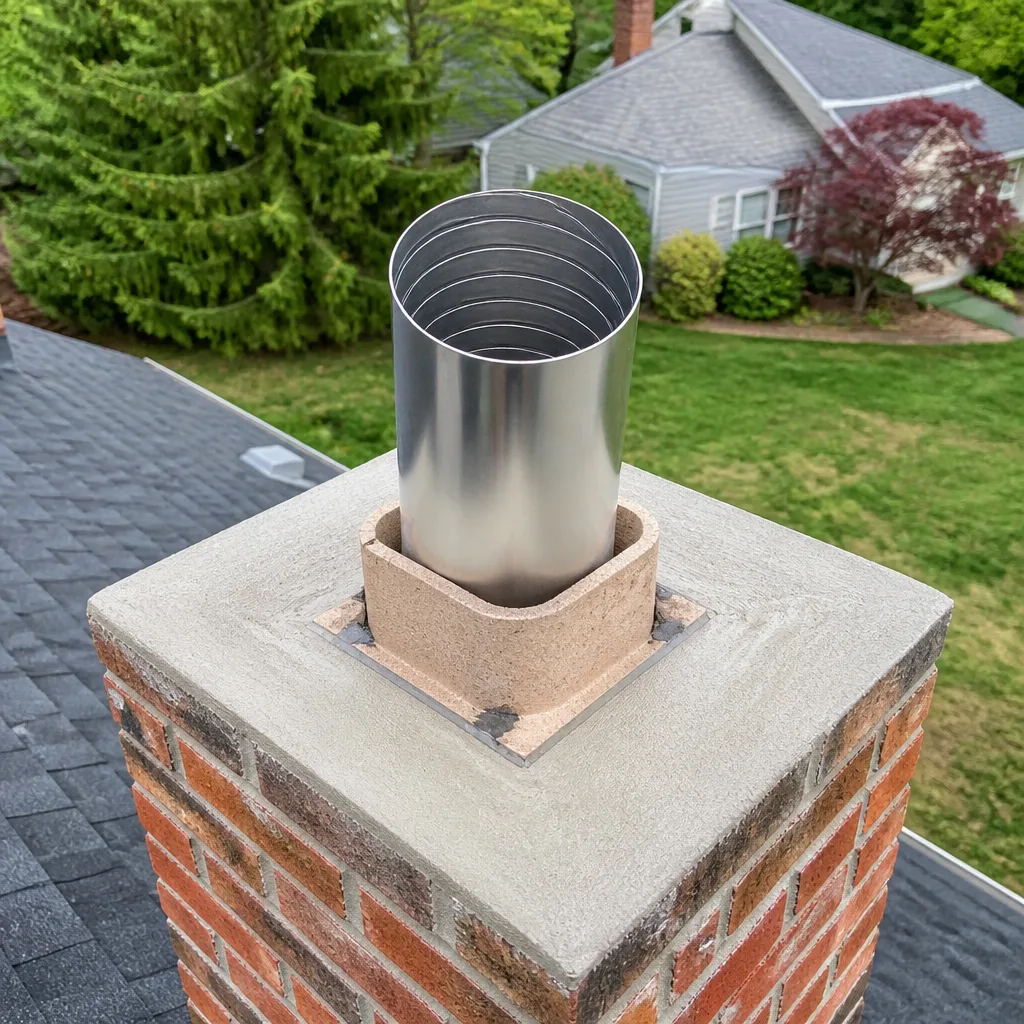 Flue relining
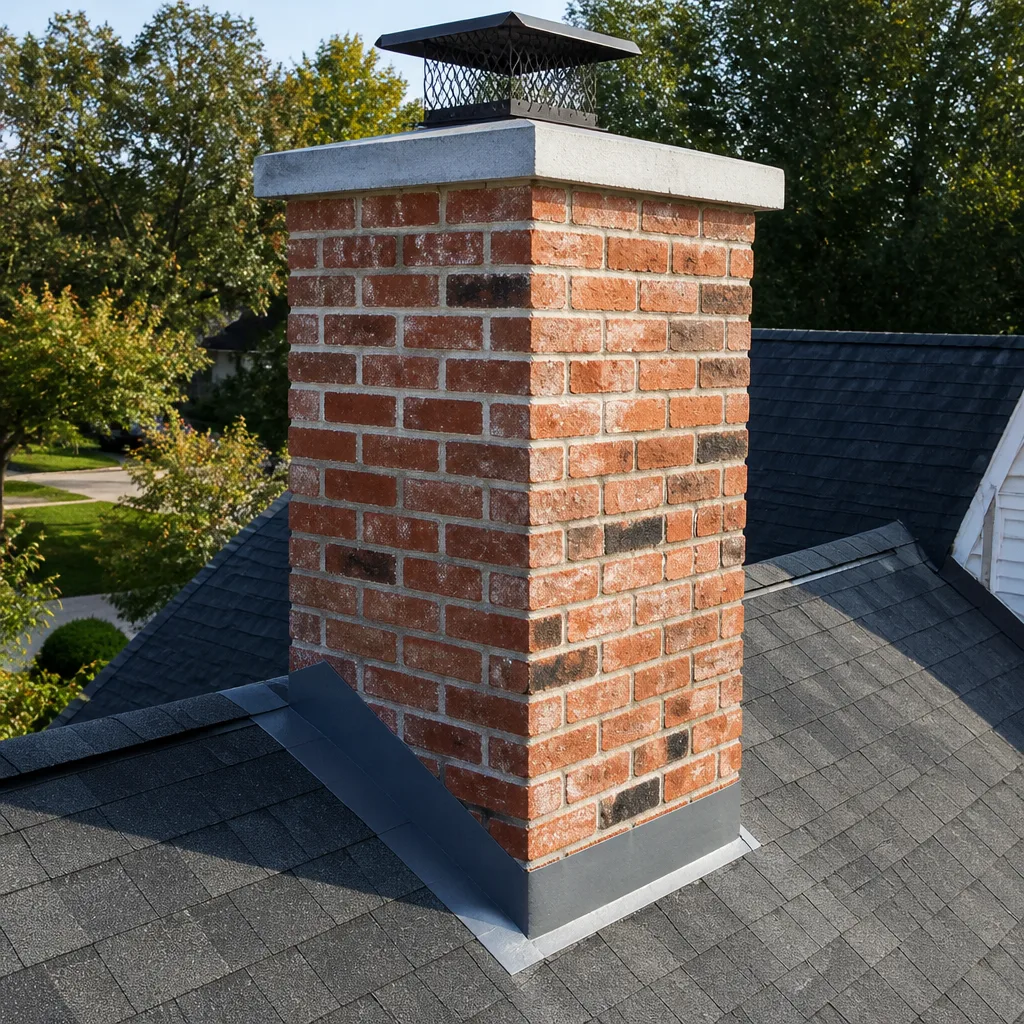 Masonry repair
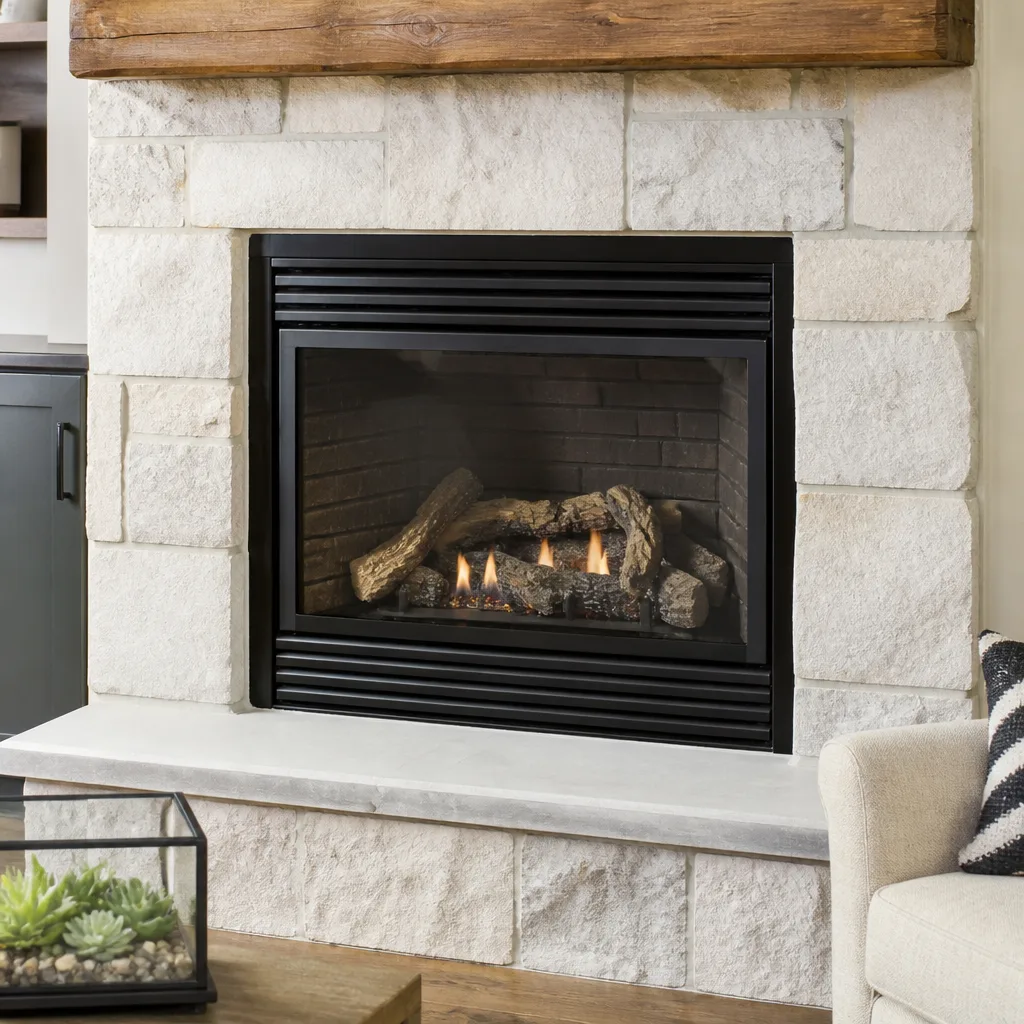 Gas fireplace service
Level 1 sweep and inspection to the NFPA 211 annual standard - flue, crown, cap, and flashing checked and photographed
Chimney sweep logs do not sweep chimneys. They loosen some creosote - which then falls where a brush and vacuum still have to collect it.
The Complete Guide to Chimney Cleaning in Tacoma
Most people assume a chimney cleaning is about soot. It’s not. Soot is the easy part – a brush and a good vacuum handle it. The real work is creosote, and creosote doesn’t behave the same way in every flue. What you burn, how wet your wood is, how the flue is sized, and what condition your liner is in all change how fast that glazed, tar-like layer builds up. Here in Tacoma, where firewood seasons slowly and alder and Douglas fir dominate backyard woodpiles, that buildup can move faster than most homeowners expect. This guide explains what’s actually happening inside your chimney after each fire, the three stages of creosote and what a sweep does at each, and how to decide how often your specific chimney needs cleaning. Read it, and you’ll know what to ask for before anyone shows up at your door.
Quick Answer
Chimney cleaning in Tacoma usually means removing creosote, soot and blockages from the flue, then inspecting the whole system – firebox, damper, liner, cap and crown – to confirm it’s safe to burn again. Most wood-burning chimneys here need cleaning once a year, but the right interval depends on how much you burn, how dry your wood is, and the size and condition of your flue. A cleaning removes what’s already there; a servicing and inspection tell you whether anything else needs repair.
Styles & brands we work with
- Sweep & inspection
- Caps & crowns
- Flue relining
- Masonry repair
- Gas fireplace service
Table of Contents
- What Chimney Cleaning Actually Means in Tacoma
- The Three Stages of Creosote (and What a Sweep Does Differently at Each)
- Why Tacoma’s Wood and Weather Build Creosote Faster
- Flue Size and Liner Condition Drive Your Cleaning Schedule
- Level 1 vs. Level 2 Inspections: What Each One Means
- Chimney Cleaning vs. Chimney Servicing
- What a Professional Sweep Actually Does, Step by Step
- What Chimney Cleaning Costs in Tacoma (Estimated Ranges)
What Chimney Cleaning Actually Means in Tacoma
A chimney cleaning is a full-system job, not a quick brush down the flue. When a professional sweeps a chimney in Tacoma, the goal is to remove every combustible deposit from the flue and confirm the entire system can move smoke and gases out of the house safely. That means the firebox, the damper, the smoke chamber, the flue, the cap and the crown all get attention.
Here’s what’s actually being cleaned out:
- Creosote – the tar-like residue from incomplete combustion. It’s the main fire fuel in a chimney, and it comes in three distinct forms (more on that below).
- Soot – fine carbon powder that coats the flue walls and reduces draw.
- Fly ash and debris – flakes that collect on the smoke shelf and damper ledge.
- Blockages – bird nests, squirrel nests, leaves, and the occasional fallen cap screen. In Tacoma, our mild winters mean animals use chimneys as shelter year-round.
The cleaning itself is done from the top and the bottom, using rods and brushes matched to your flue’s size and material. A proper job runs a high-efficiency vacuum the whole time so the house doesn’t fill with dust. When it’s finished, the sweep should be able to show you what came out and what the flue looks like inside.
One thing worth understanding up front: a cleaning isn’t a repair. If your sweep finds a cracked liner, a rusted damper or a crumbling crown, that’s a separate conversation. The cleaning is the maintenance; the inspection is the diagnosis; the repairs are the treatment. Keeping those three separate is the whole reason a standalone inspection is worth asking for.
The Three Stages of Creosote (and What a Sweep Does Differently at Each)
Creosote forms when the gases from burning wood cool before they leave the flue. The slower and cooler the smoke moves up and out, the more of it condenses on the walls as creosote. Over repeated fires, that deposit goes through three recognizable stages, and each stage requires a different tool and approach.
Stage 1: Sooty, flaky creosote
This is the light, dusty or flaky black coating that wipes off easily. It’s normal after a season of regular burning. A standard flue brush removes it completely. This is what most people picture when they think of a chimney cleaning.
Stage 2: Hard, crunchy creosote
Stage 2 creosote is denser, darker, and bonded to the flue wall. A brush alone won’t remove it – it needs a metal scraper, a rotary brush on a drill, or a chemical treatment depending on how far along it is. Left in place, it’s the seedbed for stage 3.
Stage 3: Glazed, tar-like creosote
This is the dangerous one. Stage 3 is a hardened, glassy glaze that looks and behaves like tar. It’s highly combustible, and it’s the fuel source for most chimney fires. A standard flue brush will slide right over it. Removing it requires a rotary chain or drill-powered tool, sometimes a chemical softening treatment applied over multiple visits, and occasionally a full liner replacement if the glaze has penetrated a clay liner’s cracks.
At the different stages, a professional operates differently:
- Stage 1 – brush and vacuum; fast, routine, and typically completed in a single visit.
- Stage 2 – brush, then scrape or rotary-tool the hard deposits; moderate time; expect the sweep to show you photos of the removal.
- Stage 3 – rotary-tool work, possible chemical softening, and a hard conversation about whether the liner is still sound. Sometimes a flexible relining system such as DuraFlex is the fix that followed the cleaning.
This is the reason a cheap cleaning can be a false economy: if a sweep brushes a stage-3 flue and calls it done, nothing dangerous has actually been removed.
Why Tacoma’s Wood and Weather Build Creosote Faster
Wood moisture is the single biggest variable in how fast a chimney caked in creosote gets caked further. Wet or green wood burns cool, produces more smoke, and dumps far more of that smoke’s content onto the flue wall as creosote. In Tacoma, wood moisture is a real problem because of our climate.
Our fall and winter rain means wood piles sit damp far longer than in drier parts of the country. A split of alder that would season to a good moisture content elsewhere in a single summer may still be holding significant moisture into November here. Alder and Douglas fir are the two most common backyard and local woodpile species in Pierce County, and both have quirks:
- Alder – low density, burns hot and fast when dry, but holds water stubbornly when green and is often the culprit when creosote builds up quickly.
- Douglas fir – aromatic and plentiful, but its resin content can create faster creosote deposits than clean, dry hardwoods.
- Split size matters – larger splits hold moisture in the center. Smaller splits dry faster and burn cleaner.
The practical takeaway for Tacoma homeowners: season your wood for at least a year, ideally under a covered top with open sides so air moves through the pile. Buy a cheap moisture meter and split a piece before burning – if it reads above roughly twenty percent moisture by weight, it’s creosote fuel, not fireplace fuel. Burn dry, burn hot, and burn with the damper fully open long enough to push the smoke up and out the flue rather than letting it cool and condense.
Flue Size and Liner Condition Drive Your Cleaning Schedule
Here’s the thing most homeowners never hear: how much you burn is only half the equation. The other half is your flue. A chimney with a properly sized, insulated, round flue will stay cleaner than an oversized or undersized one burning the exact same amount of firewood.
Why?
- Oversized flues – a flue drawing a small fire gets cold, the smoke moves slowly, and creosote condenses onto it. A wood stove connected to a flue meant for a fireplace is the classic recipe for stage-2 and stage-3 deposits after a single season.
- Undersized flues – the smoke moves fast but hot; the flue can overheat and crack, and the draw can be poor on start-up.
- Rough clay liners – an old, pitted clay tile liner invites creosote to grab on. A smooth flexible liner such as DuraFlex or an Olympia Chimney stainless system resists buildup.
- Cracked liners – beyond safety, a cracked liner gives smoke a path around the flue and can promote a mess of confusing deposits.
- Missing or bad caps – without a proper chimney cap, rainwater, animals and debris get in, and the whole system suffers.
In practice, a careful sweep assesses flue size, liner condition and draw before recommending a cleaning interval. A homeowner burning three cords a year through a well-sized stainless liner may only need annual cleaning. A homeowner burning one cord through an oversized clay flue might be getting a stage-2 problem in the same timeframe. The right cleaning frequency is a function of your specific chimney, not a national average. That’s one concrete reason we treat the inspection as its own service rather than an upsell tacked onto the end of a sweep – you need the diagnostic answer before the maintenance schedule makes sense.
Level 1 vs. Level 2 Inspections: What Each One Means
The chimney industry standard is a three-tier inspection framework (Level 1, Level 2, Level 3). Most homeowners only ever need the first two, but understanding the difference matters for choosing the right service.
Level 1 Inspection
A visual check of accessible portions of the chimney – firebox, damper, flue from the bottom and top, cap and crown – performed with basic hand tools and a flashlight or camera. It answers: is the chimney in normal working order for continued use? A Level 1 is what usually accompanies a routine annual cleaning when nothing has changed since the last visit.
Level 2 Inspection
Everything in a Level 1 plus a camera inspection of the interior of the flue, plus evaluation of accessible portions of the chimney exterior and the connected appliance. It answers: what’s the condition of the liner and joints, and is anything hidden a problem? A Level 2 is what you need when:
- You’re buying or selling a home (a pre-purchase chimney inspection is often a Level 2, and real estate agents in Tacoma routinely request one)
- You’ve installed a new appliance or changed fuel type
- You’ve had a chimney fire or a suspected one
- Your wood-burning habits or equipment have changed significantly
- There’s been an earthquake, storm or other event that could have shifted the structure
Level 3 Inspection
A Level 3 is rare and only needed when a Level 1 or Level 2 identifies a hidden hazard that must be investigated, and that investigation requires removing parts of the chimney or building. It’s not a routine service.
For most Tacoma homeowners, the honest answer is a Level 2 when the system is unfamiliar to you and a Level 1 for a routine cleaning you’ve done before. We offer a standalone inspection precisely because some homeowners want that diagnostic result before they commit to any cleaning or repair – and because home buyers honestly need it before closing.
Chimney Cleaning vs. Chimney Servicing
These two phrases get used interchangeably, and that’s a mistake that leads to repeat problems. They’re different jobs with different scopes.
A cleaning removes deposits from the flue and firebox. It’s the maintenance task.
A servicing is broader. It includes the cleaning, plus:
- Inspecting and testing the damper and smoke chamber
- Checking cap and crown for water intrusion (and resealing if needed)
- Assessing gaskets on a wood stove or insert door
- Looking for cracks, rust or shifting in the liner
- Repairing minor issues on the spot – a firebox joint, a damper that won’t close, a gas log set that needs adjustment
When you only have a cleaning and never a servicing, the hidden problems pile up quietly. The damper that stopped sealing doesn’t announce itself; you just notice your fires are harder to control. The hairline crack in the smoke chamber doesn’t show from the bottom. The crown that lost its seal doesn’t tell you until the ceiling below starts showing water stains.
Confusing cleaning with servicing is also why some homeowners have chronic smoke-on-startup issues or repeat creosote buildup: a servicing sweep catches the flue-size or liner problem that a cleaning alone would leave in place.
What a Professional Sweep Actually Does, Step by Step
Knowing the sequence makes the whole process less mysterious and helps you spot a job that’s been done properly.
- Set up the workspace. Drop cloths over the hearth and nearby floor, a high-efficiency vacuum connected and running, and the camera set up for the before-and-after record.
- Inspect before cleaning. Look at the firebox, damper and the flue from the bottom. Note what’s there and what condition everything’s in.
- Go to the roof. Check the cap, crown, flashing and the top of the flue. Remove the cap if needed to access the flue.
- Sweep the flue. Rods and brushes sized to the flue, worked from the top down and the bottom up, with scraper or rotary tools for stage 2 and stage 3 deposits.
- Clear blockages. Nesting materials, leaves, disconnected cap screens.
- Clean the firebox and smoke shelf. Reach into the area above the damper (the smoke shelf) where debris collects.
- Reinspect and document. Camera the interior of the flue after cleaning. Photograph anything notable so the homeowner sees what the sweep sees.
- Report and recommend. Plain-language summary of condition, what’s normal, what needs attention, and what can safely wait.
Note step 8. Any honest sweep should be able to tell you which repairs are urgent and which aren’t. If a sweep tells you the liner must be replaced immediately without showing you a camera image of the problem, ask to see it. If they won’t or can’t, that’s your answer.
Our own approach is the same: nothing gets recommended that isn’t backed by camera evidence you can see for yourself. We handle the whole chimney – from the firebox to the crown – so a single visit can surface problems that would otherwise become separate tickets with separate contractors.
What Chimney Cleaning Costs in Tacoma (Estimated Ranges)
A standard chimney cleaning in Tacoma typically runs $180 to $350, depending on the flue, how much creosote is present, and whether an inspection is included. Here’s a rough breakdown of the typical ranges for related work.
- Routine chimney sweep (single flue) – $180 to $350
- Sweep plus a Level 1 visual inspection – usually included in the sweep price
- Standalone Level 2 inspection (camera of the flue) – $250 to $500
- Chimney cap installation – $200 to $450, depending on the cap and cap style
- Crown repair or reseal – $300 to $800 for typical repair work
- Stage-3 creosote removal (heavy rotary and chemical work) – $400 to $900, more if multiple visits are needed
- Flexible liner relining (per foot, with the appliance connection) – $2,500 to $6,500 typical range
- HeatShield ceramic liner restoration – $1,800 to $4,500, depending on the number of flue tiles and extent
- Minor fireplace repair (damper, gasket, firebox joint) – $150 to $500
These are estimated ranges, not quotes. The written estimate after the inspection sets the final price. Every estimate we provide is free, and the price is set per job by that written estimate – no hourly surprises.
For the cleaning and inspection itself, see chimney sweep; for fireplace-specific repairs, see fireplace repair; for cap and crown, see chimney cap & crown.
If you’d rather not wait to schedule a diagnostic visit, call (844) 945-4427. We answer 24/7. Fast dispatch from 7am to 7pm, Sunday through Friday.
Common Mistakes to Avoid
- Burning green or wet wood. In Tacoma’s climate, wood that’s “seasoned” for a few months isn’t really seasoned. Split a piece and check with a moisture meter before burning; wet wood is the fastest route to a stage-2 or stage-3 flue.
- Trusting a sweep who won’t show you the flue. If the only evidence you get is a verbal “your liner is bad, that’ll be four thousand dollars,” walk away. Any honest sweep cameras the flue and shows you what they’re seeing.
- Skipping the annual cleaning because “we only burned a little.” Small fires in a cold flue build creosote faster than hot fires in a properly warmed one. “Only a little” is often worse than “a season of good hot burns.”
- Confusing a cleaning with a servicing. A cheap cleaning that skips the inspection leaves you with an unknown system. Fix the cleaning-vs-servicing gap before it becomes a repeat expense.
- Burning paper, cardboard or trash. Those materials create fly ash that clings, and some make deposits that are harder to remove than wood creosote.
- Running the flue without a proper cap. Tacoma’s rain and our local wildlife both find open flues. A missing or damaged cap lets water and birds in and shortens the life of the liner.
- Delaying repairs on a cracked liner or failed crown. Those are not cosmetic. A cracked liner risks fire and carbon monoxide escaping into the house; a failed crown lets water into the chimney structure. Both get worse, never better, on their own.
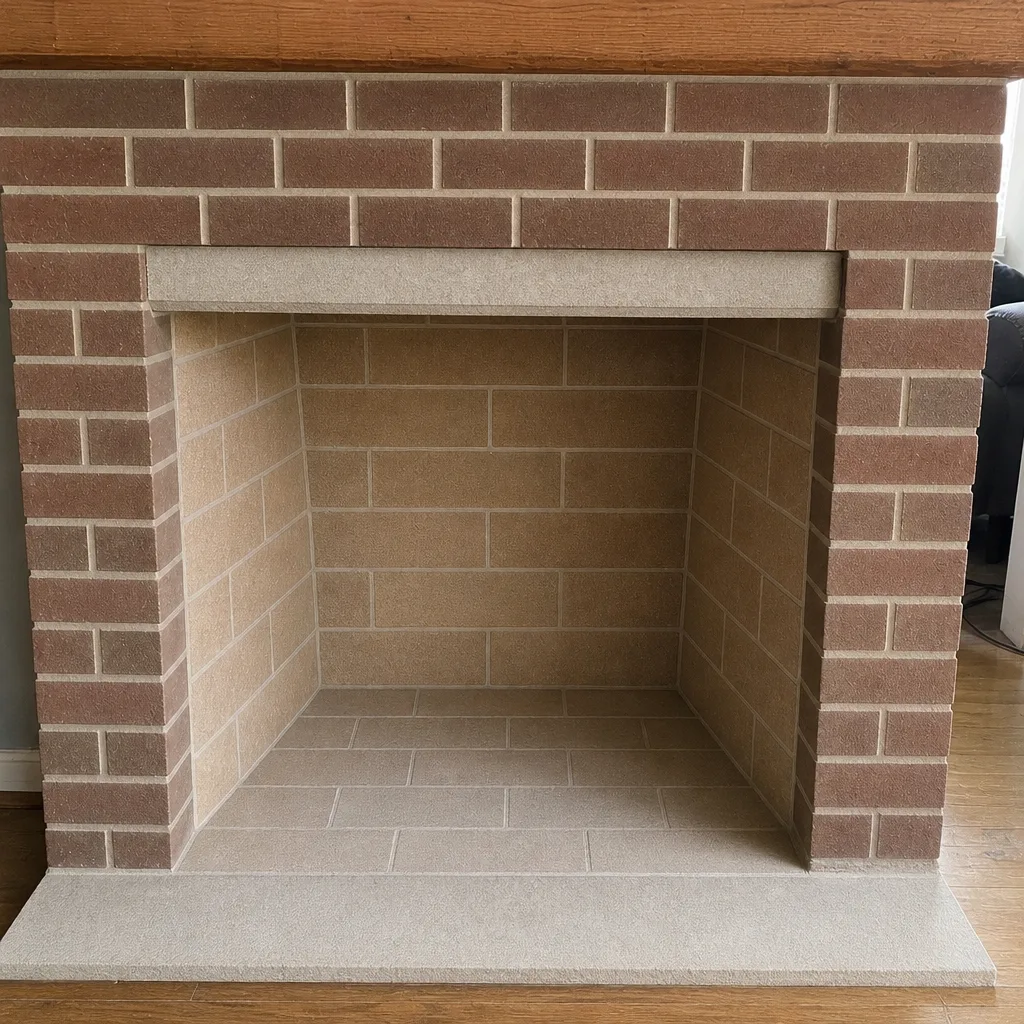
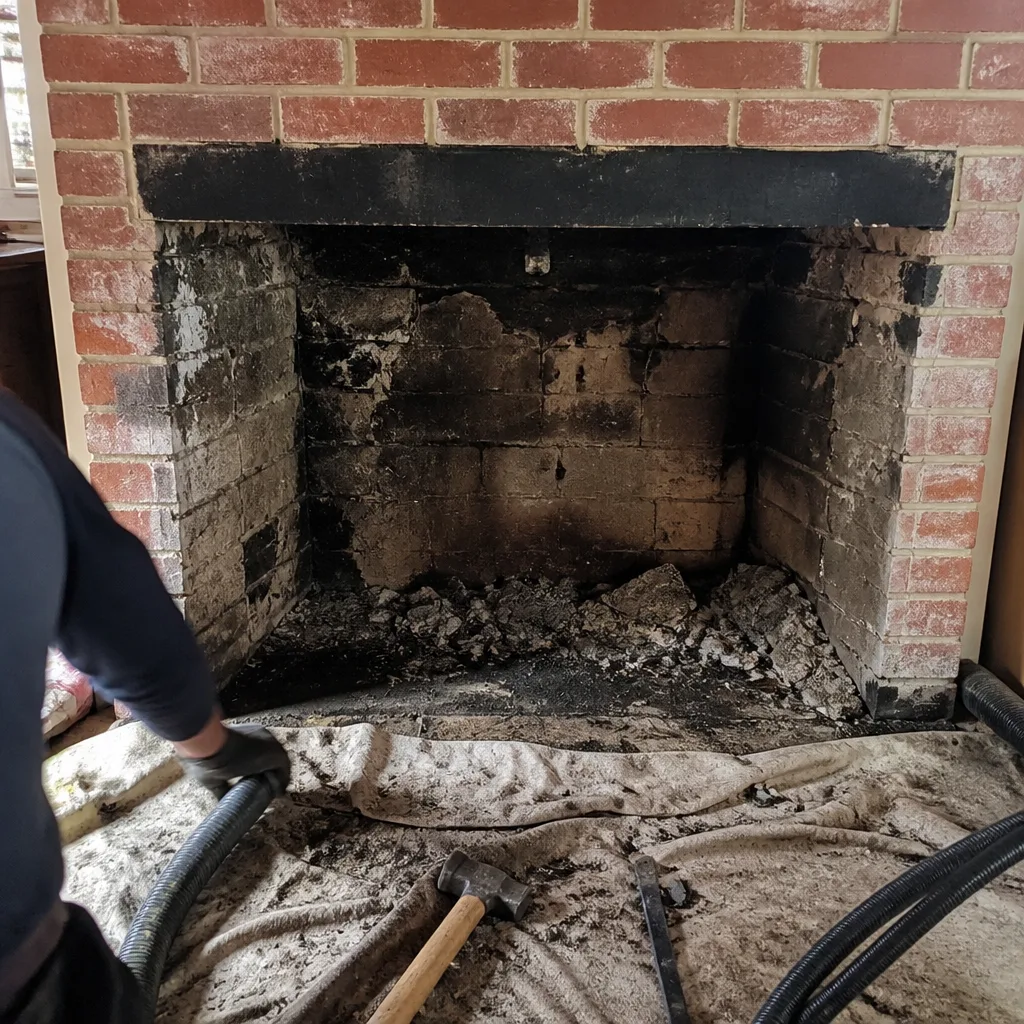
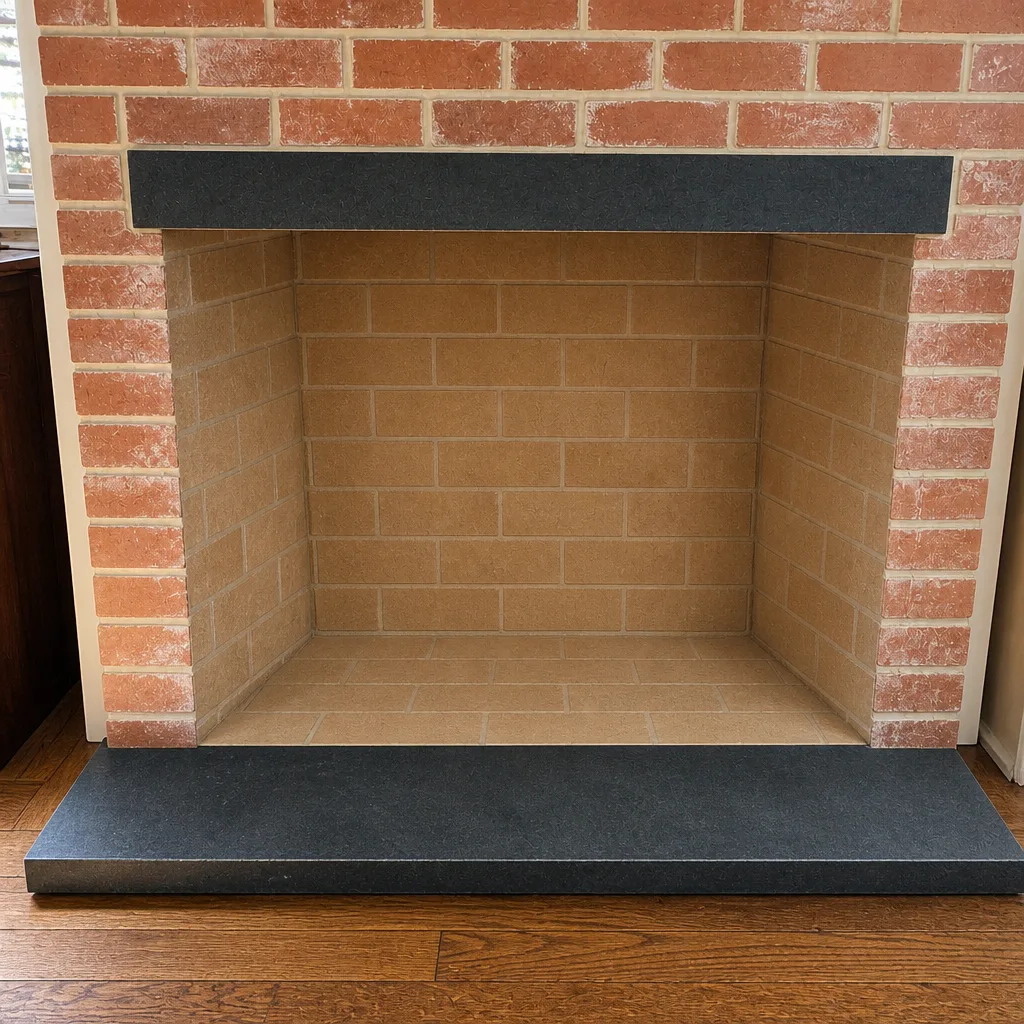
See the difference
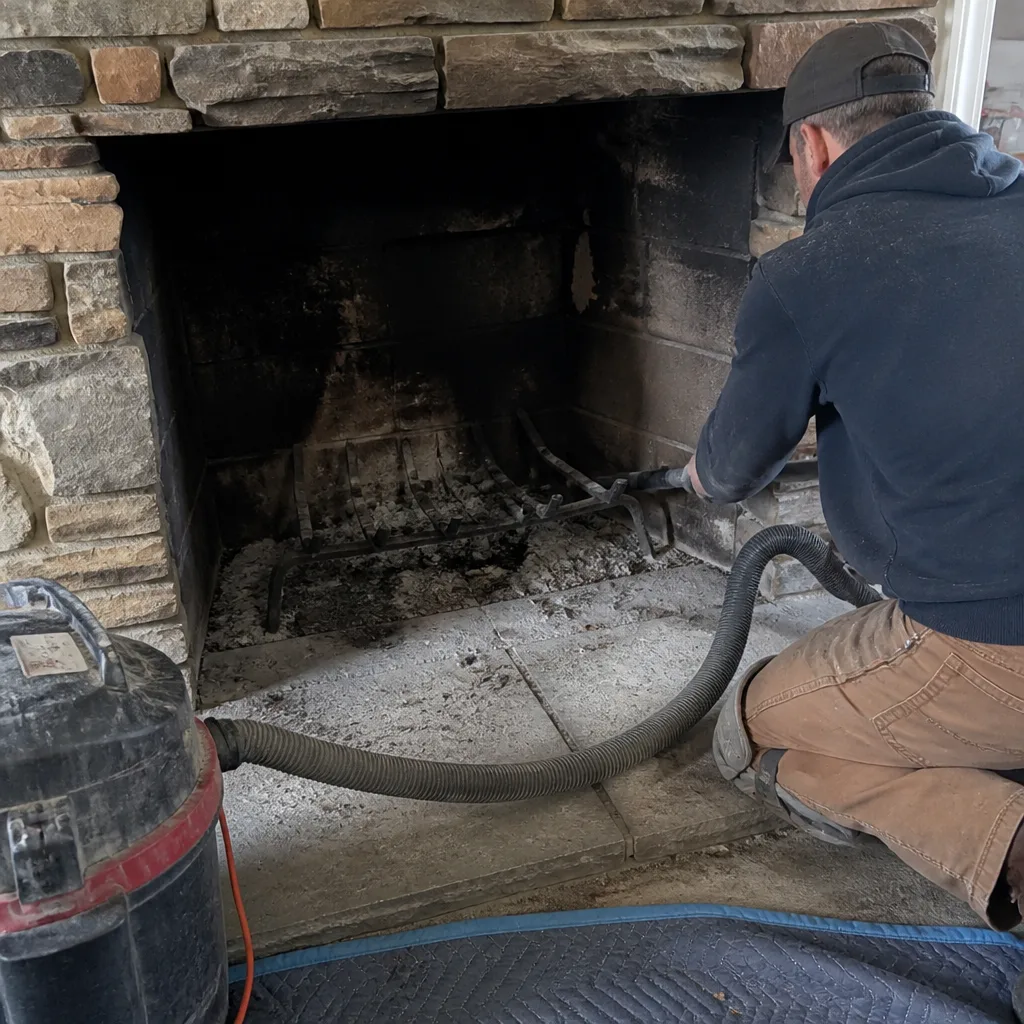 Before
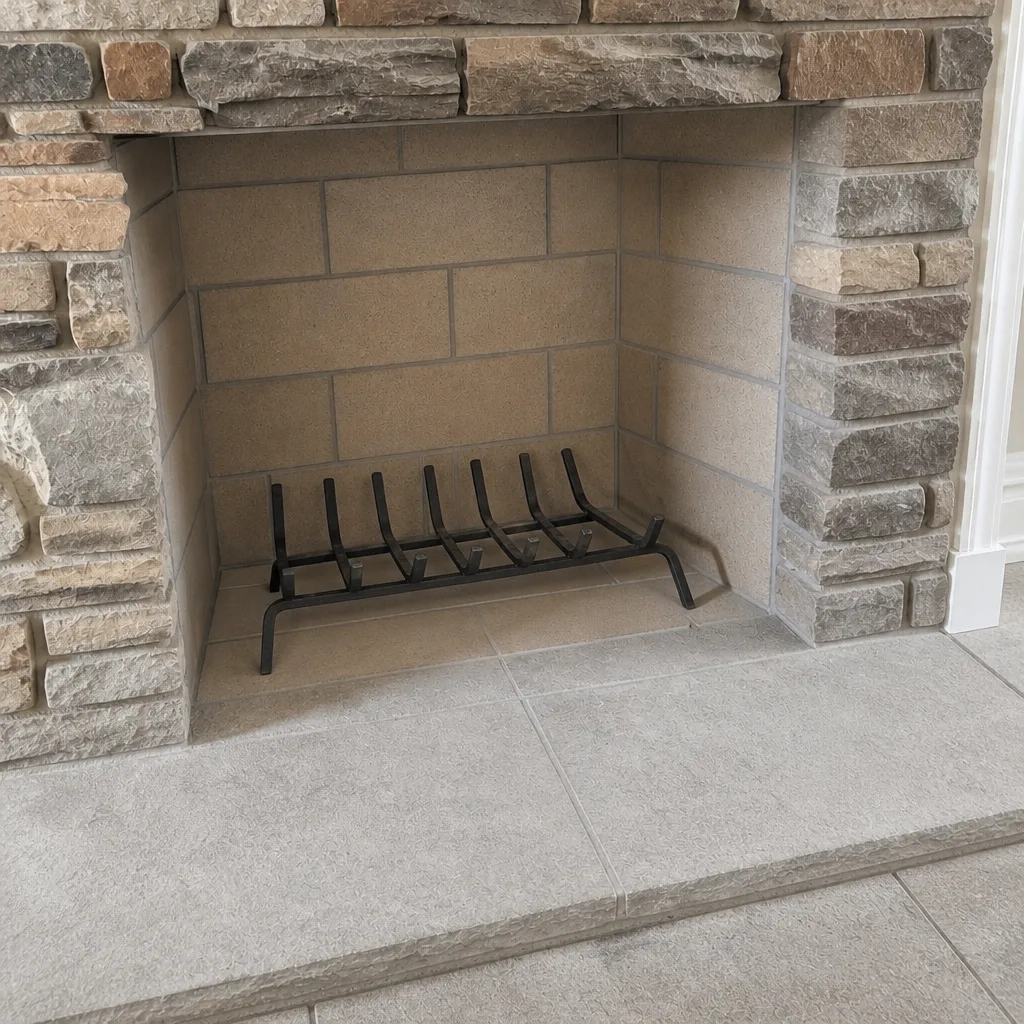 After
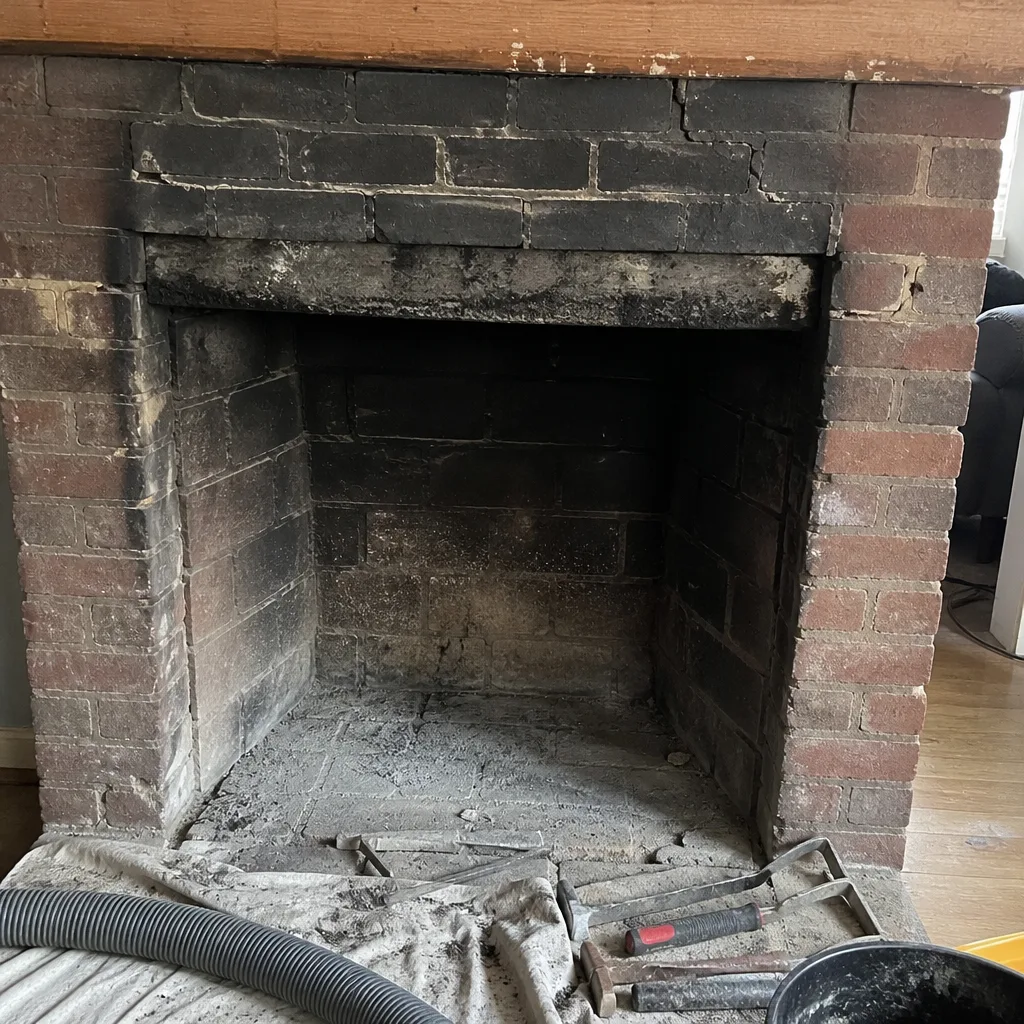 Before
 After
 Before
 After
When to Call a Professional
Call a professional sweep when any of the following is true:
- It’s been a year since the last cleaning (or you don’t know when it was last cleaned)
- You see dark, hard, glazed deposits inside the firebox or from a flashlight check of the flue
- You smell a strong smoky or creosote odor inside the house when the fireplace isn’t in use
- Smoke rolls into the room on startup or when the fire is burning
- You hear crackling or roaring beyond normal (a sign of a chimney fire in progress – get out and call 911)
- You’re buying a home and want a Level 2 inspection before closing
- You see water stains on the ceiling or chimney breast – a crown or flashing issue
- You’ve had a chimney fire or a suspected one
We offer free estimates in Tacoma – call (844) 945-4427. We answer 24/7. Fast dispatch from 7am to 7pm, Sunday through Friday. If you call outside those dispatch hours, the visit is booked into the next opening. If a technician comes out and finds only routine deposits, we’ll say so and let you know what can safely wait.
Frequently Asked Questions
A standard chimney cleaning in Tacoma typically costs $180 to $350, with the written estimate setting the final price. Standalone camera inspections add $250 to $500, and more involved creosote work or repairs will raise the total. Call (844) 945-4427 for an exact quote – estimates are free.
Only if the inspection shows your current liner is cracked, deteriorated, or improperly sized for the appliance – not just because a sweep recommends it. Ask to see the camera image of the problem. If the liner is intact and properly sized, a cleaning and servicing are the right answer. Call (844) 945-4427 to schedule a standalone inspection if you want an honest answer before any work is proposed.
Once a year for most wood-burning chimneys in Tacoma, but the honest interval depends on your flue size, liner condition and how dry your wood is. Homeowners burning green alder or Douglas fir in an oversized clay flue may need to be swept mid-season. Call (844) 945-4427 to talk through your specific situation – estimates are free.
Creosote builds up stage by stage, and stage 3 glaze is the fuel source for most chimney fires. Beyond fire risk, a blocked or restricted flue can push carbon monoxide back into the home instead of up and out. Skipping a cleaning doesn’t produce a slow cosmetic decline – it produces a safety problem. Call (844) 945-4427 to book a sweep and inspection so you know exactly what’s in your flue.
Not when the job is done properly. A professional sweep uses drop cloths and a high-efficiency vacuum running the whole time, so the room stays clean. If a sweep is making a mess, they’re doing it wrong. Call (844) 945-4427 if you want to talk through what to expect before the visit.
Seasoned wood under roughly twenty percent moisture, regardless of species – but alder and Douglas fir are the two most common Pierce County woods, and both need at least a full year of covered drying in our climate to burn cleanly. Split smaller and check with a moisture meter before burning. For a diagnostic assessment of how your current habits are affecting the flue, call (844) 945-4427.
The Bottom Line
Chimney cleaning in Tacoma is really creosote management. Soot is easy; the three stages of creosote are where the risk and the real skill live. A clean, safe fire depends on four things: dry wood, a properly sized flue, a sound liner, and a sweep who cameras what they see and tells you honestly what can wait and what can’t. Annual cleaning is the baseline, but your specific interval depends on your specific chimney. When in doubt, book the inspection first, then act on the evidence. That’s how you get a clean flue and a safe fire – without paying for repairs you didn’t need.
Our technicians have up to 10 years of experience, we work with trade-grade materials including Famco, Copperfield, DuraFlex and HeatShield, and we handle the whole chimney – from the firebox to the crown. To book a cleaning or a standalone inspection, call (844) 945-4427 for a free estimate. We answer 24/7. Fast dispatch from 7am to 7pm, Sunday through Friday.
Written by the team at Tacoma Chimney Sweep Co.