
Last updated November 25, 2026
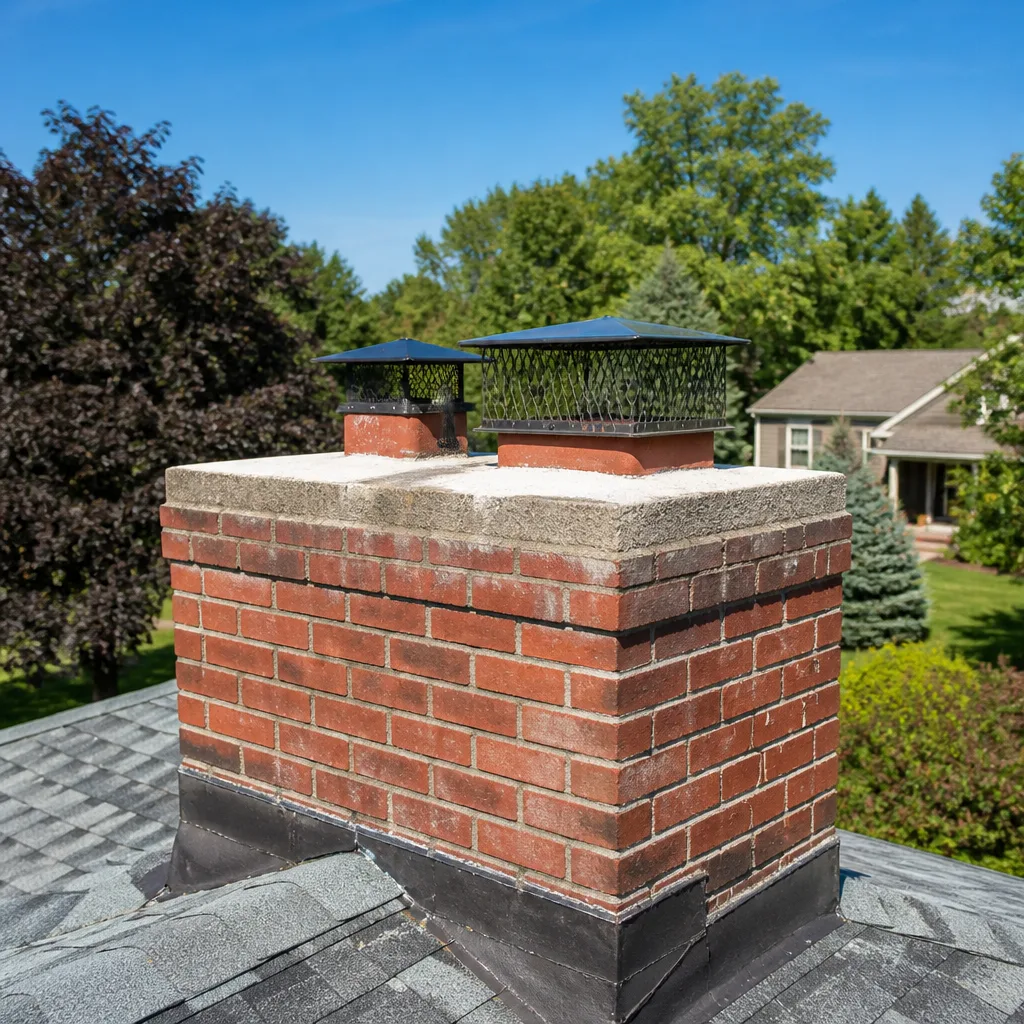 Sweep & inspection
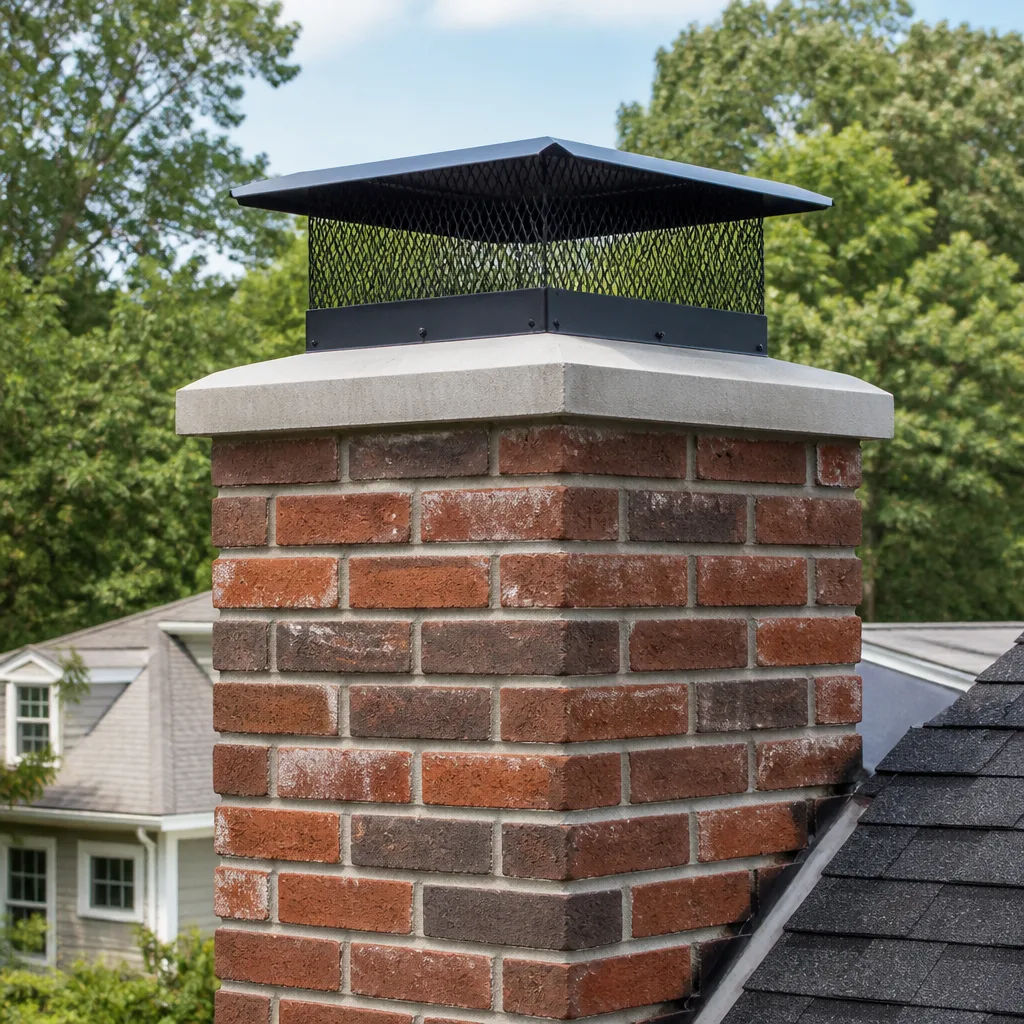 Caps & crowns
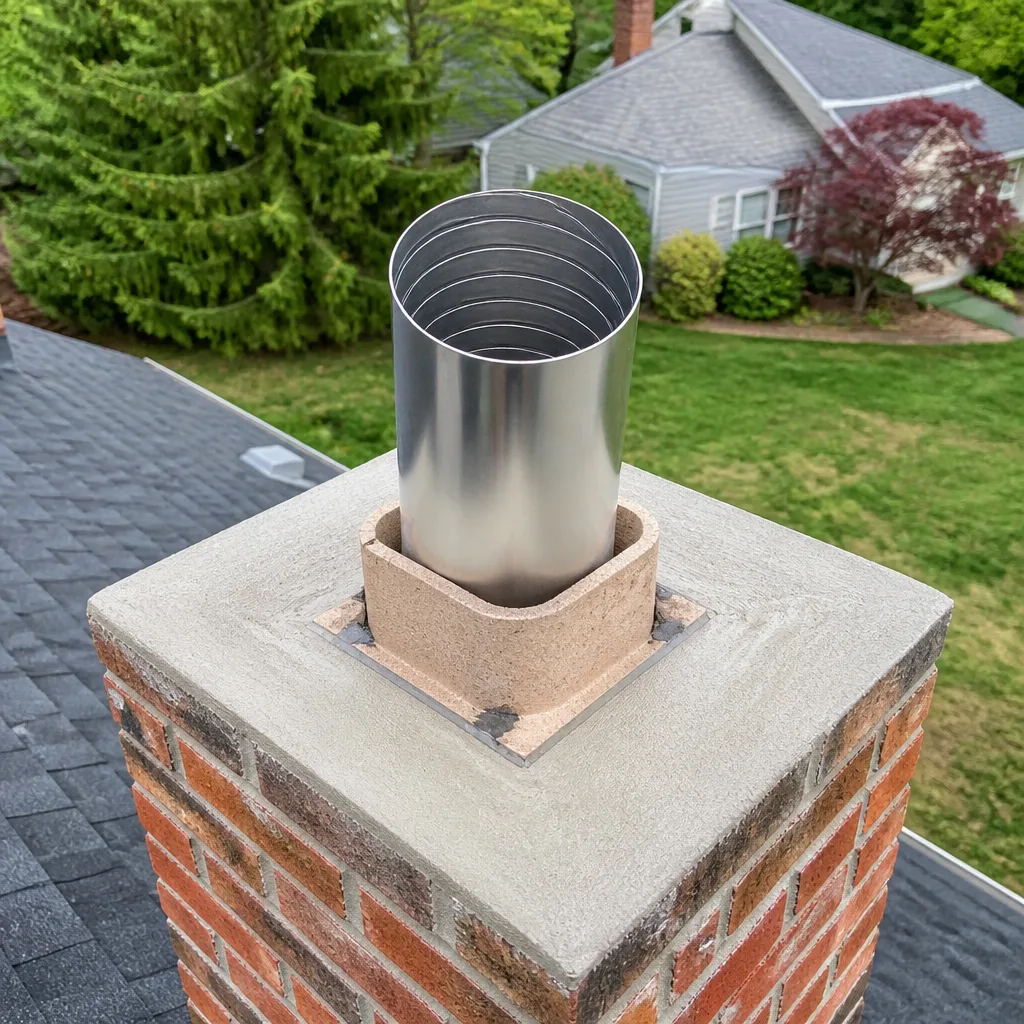 Flue relining
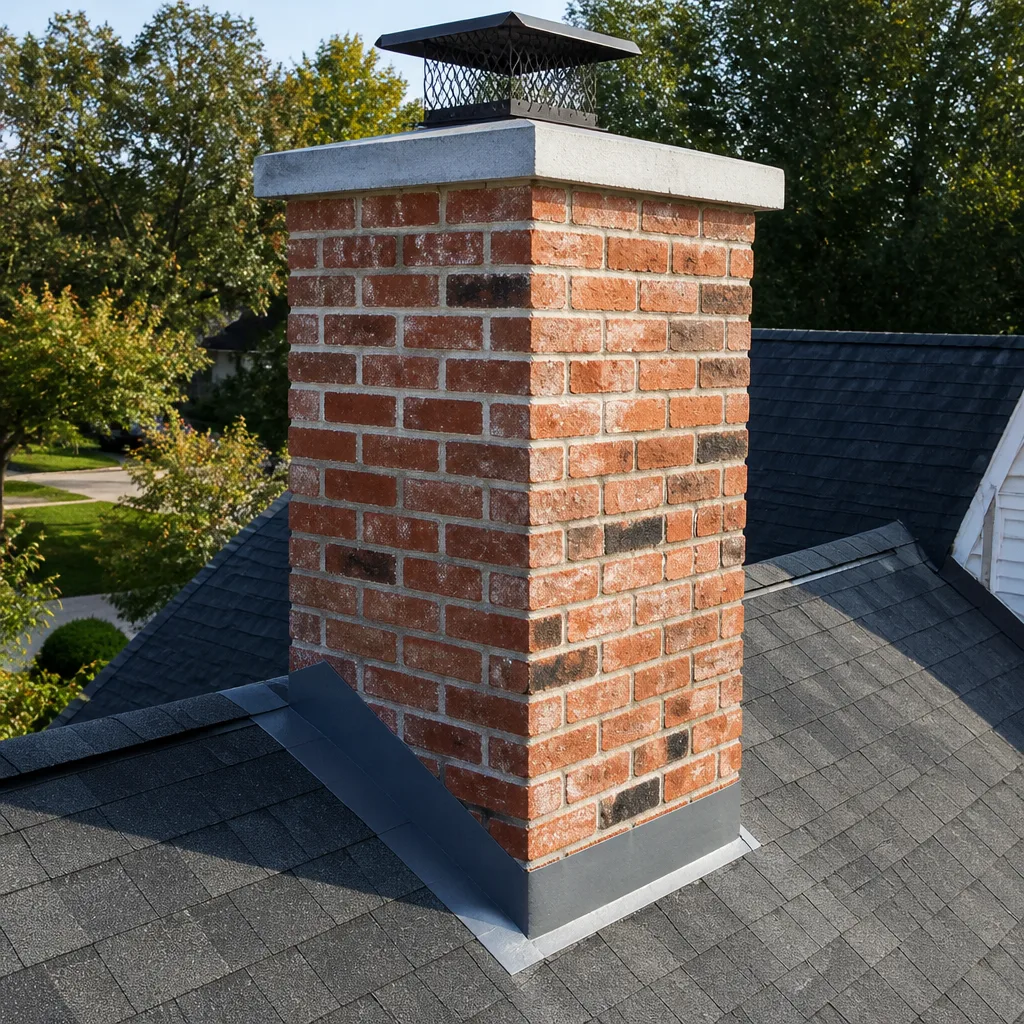 Masonry repair
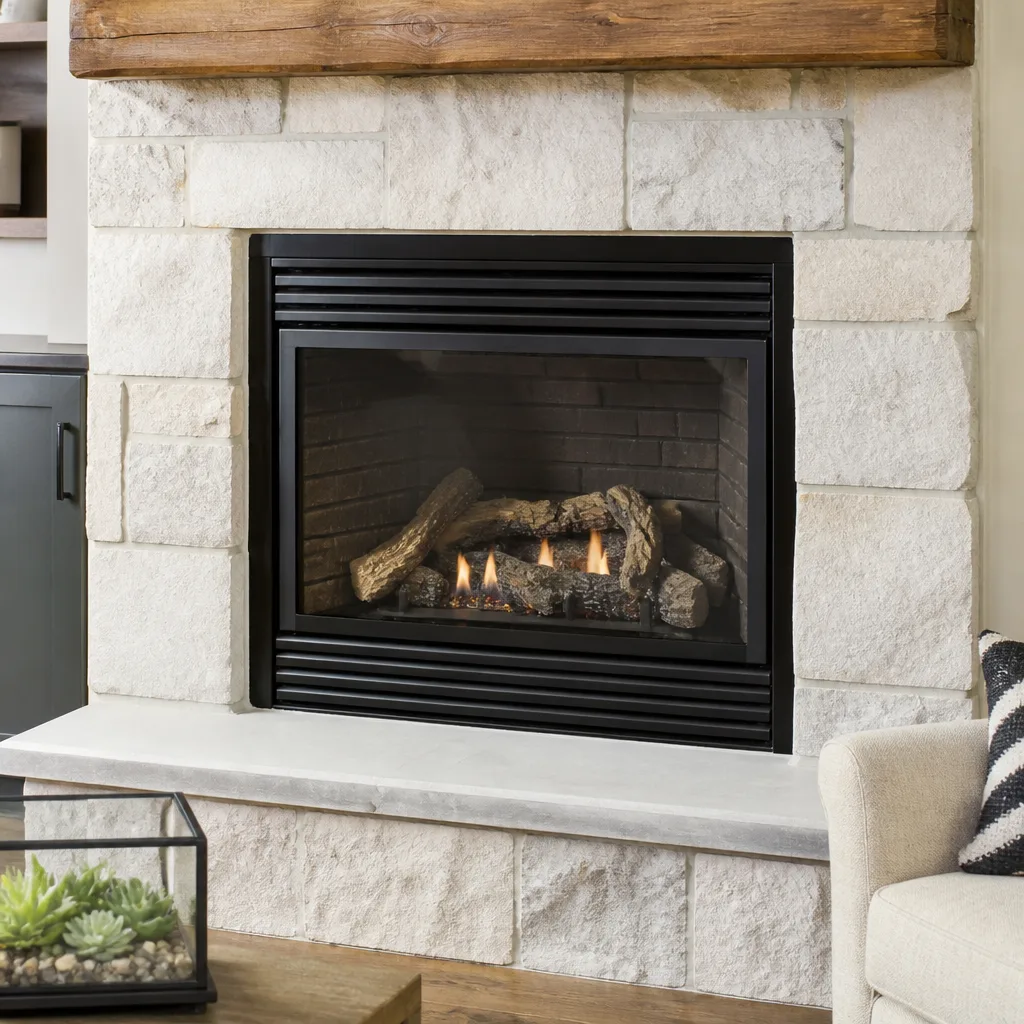 Gas fireplace service
Level 1 sweep and inspection to the NFPA 211 annual standard - flue, crown, cap, and flashing checked and photographed
Chimney sweep logs do not sweep chimneys. They loosen some creosote - which then falls where a brush and vacuum still have to collect it.
How to Hire a Chimney Cleaning Contractor in Tacoma: A Step-by-Step Guide
Most hiring advice focuses on the wrong thing. Homeowners in Tacoma are told to check for certifications, ask about insurance, and get three quotes, and most of them do exactly that. The real trouble starts after the contractor arrives: a homeowner watches a stranger poke a flashlight into the flue and then listens to a confident verdict about what’s “urgently” needed, with no way to tell whether that verdict is honest or a sales script. In Washington State there’s no state-issued chimney sweep license, which means anyone can legally call themselves a chimney professional, and several general handyman services around Pierce County do exactly that. This guide closes the gap. You’ll learn what to ask before booking, how to read a quote line by line, and how to tell a real specialist from someone with a brush kit and a ladder.
Quick Answer
To hire a chimney cleaning contractor in Tacoma, verify that the company specializes in chimney work rather than general handyman services, ask five specific technical questions about equipment, dust containment, and flue inspection before you book, and insist on a written quote with itemized line items. A chimney specialist should be able to camera-inspect the flue liner, explain the difference between a sweep and a Level 2 inspection, and tell you plainly when work can safely wait. If a contractor can’t answer those questions clearly, that’s your answer.
Styles & brands we work with
- Sweep & inspection
- Caps & crowns
- Flue relining
- Masonry repair
- Gas fireplace service
Table of Contents
- Why Tacoma’s Unlicensed Landscape Changes the Hiring Game
- What CSIA Certification Actually Verifies (and What It Doesn’t)
- Five Technical Questions to Ask Before You Book
- The Red-Flag Answers to Listen For
- How to Read a Chimney Cleaning Quote Line by Line
- Why a Repair-Capable Contractor Is Different From a Sweep-Only One
- What to Expect During the Appointment Itself
- Common Mistakes to Avoid
- When to Call a Professional
Why Tacoma’s Unlicensed Landscape Changes the Hiring Game
Washington State does not issue a chimney sweep license. That’s not a loophole; it’s simply how the trade is regulated here, or rather how it isn’t. Some states require a specific credential, but in Tacoma the most common qualification you’ll encounter is a general contractor registration, and plenty of handyman services operate under that umbrella while doing chimney work on the side. That means the burden of verifying a chimney specialist falls on you, the homeowner, in a way it doesn’t for, say, electrical or plumbing work where a licensed trade is legally required.
What this looks like in practice: a general handyman in Pierce County can carry a ladder into your living room, run a brush up the flue, and hand you a bill, and there’s nothing illegal about it. What they typically can’t do is tell you the condition of your flue liner, because they don’t own the camera to see it. They can’t repair a damaged crown, because they don’t stock or order the materials. They can’t reline a chimney, because flexible stainless relining systems like DuraFlex exist in a different supply channel than the local hardware store.
That gap matters more in Tacoma than in some places. Our wet winters and the seasonal swing from a damp fall into a dry, windy summer put real stress on masonry. Chimneys here see more moisture cycling than chimneys in a dry climate, and water entry at the crown is one of the more common issues a Tacoma homeowner will eventually face. A sweep-only operator can’t help with that. A specialist can.
So the first step in hiring isn’t checking a license database. It’s confirming that the person you’re talking to actually works on chimneys as a trade, not as a sideline. You’ll do that by asking specific questions, covered below.
What CSIA Certification Actually Verifies (and What It Doesn’t)
CSIA stands for the Chimney Safety Institute of America, and its certification is the closest thing the trade has to a recognized credential. The certification involves an exam and continuing education requirements, and it does verify a baseline of technical knowledge: the person holding it understands how a chimney works, what the codes say, and how to inspect one. When you’re comparing contractors, CSIA certification is a reasonable floor. It’s not a ceiling, and here’s why that distinction matters.
Certification verifies that a sweep passed a test and keeps up with education requirements. It does not verify:
- Equipment. A certified sweep can still show up with a brush and a shop vac. Certification says nothing about whether they own a camera inspection system or a HEPA-filtered vacuum.
- Repair capability. CSIA certification covers sweeping and inspection. It doesn’t tell you whether the company can install a liner, repair a crown, or handle fireplace repair. Those are separate skill sets and separate equipment investments.
- Business practices. The certification doesn’t regulate how a company quotes work, whether it offers a written estimate, or how it handles upsells. That’s on you to assess.
- Insurance. Certification is a knowledge credential, not a business credential. Ask separately whether the company carries liability insurance.
In our experience, the most useful way to use CSIA certification is as a starting filter, not a final answer. A company that holds it and can also answer your technical questions clearly is a good sign. A company that leans entirely on the credential without being able to explain what it actually does during a service call is worth a second look. And a company with no credential at all isn’t automatically disqualified, but you’ll want to ask more questions to fill the gap.
For a deeper walkthrough of what a proper chimney sweep involves from start to finish, it helps to know the standard before you evaluate anyone against it.
Five Technical Questions to Ask Before You Book
These are the questions that separate a real specialist from a generalist. Ask them on the phone before you book. A specialist will answer them without hesitation and in plain language. A generalist will either dodge or give a vague answer. Write the answers down as you get them.
- “What equipment do you use to contain debris?” The right answer involves a HEPA-filtered vacuum and drop cloths or a containment system set up at the firebox. A shop vac and a bedsheet is not containment. Ask specifically whether the vacuum has a HEPA filter, because a standard shop vac blows fine ash into the air of your living room.
- “Do you camera-inspect the flue liner?” The right answer is yes, or an honest explanation of when a camera is needed and when a visual inspection from the top and bottom is enough. The wrong answer is “we don’t need to” or “the brush tells us everything.” A brush tells you nothing about a cracked liner tile or a gap in the mortar joints between tiles.
- “What’s the difference between a Level 1 and Level 2 inspection, and which one am I getting?” A Level 1 inspection is a visual check of readily accessible parts of the chimney with the standard tools. A Level 2 adds a camera inspection of the flue interior and is the standard when you’re buying a home, changing fuel type, or after a chimney fire or significant event. If the contractor can’t explain this distinction, they don’t inspect chimneys to a recognized standard.
- “What condition would you find that would make you recommend stopping and doing repair work first?” This one is subtle. A specialist will name specific conditions: a cracked crown, spalling brick, a deteriorated liner, a blockage at the smoke shelf. A salesperson will give a vague answer that boils down to “we’ll see when we get there.” You’re listening for whether the person has a mental model of what actually goes wrong in a chimney.
- “Do you carry liability insurance, and can you confirm it in writing?” The right answer is yes with documentation. Anyone working on your roof should be insured, and anyone working in your living room with equipment should be too.
Ask these five questions of any contractor in Tacoma before you book, whether they come recommended or not. The answers tell you more than any review or credential.
The Red-Flag Answers to Listen For
The red flags aren’t always obvious. Some contractors are smooth, and the problem shows up later as a surprise charge or a repair recommendation you can’t verify. Here’s what to listen for, paired with the question that usually surfaces it.
- “We don’t need a camera – the brush tells us.” This is the single most common red flag. A brush cannot show you a cracked liner tile, a gap in the mortar, or a partial blockage at the smoke shelf. If a contractor won’t camera-inspect or won’t explain when a camera inspection is warranted, you have no independent evidence of your chimney’s condition.
- “We’ll give you a price after we’re up there.” A written estimate before the work starts is standard practice. If the price only appears after the technician has been on the roof, you’ve lost your ability to compare and to say no.
- A quote with one line item: “Chimney cleaning – $X.” This is the setup for an upsell. The quote should break down what’s included: the sweep itself, a visual inspection, a camera inspection if applicable, and what a cap or crown check would cost separately. You want to see the pieces.
- “You definitely need a new liner.” Maybe you do, but this should never be delivered without camera evidence you can look at yourself. A liner recommendation without a camera image is a sales pitch, not a diagnosis. The right answer includes “here’s what I saw, here’s the photo.”
- “We only do cleaning.” This is a red flag only if your chimney needs repair, but it’s worth asking upfront. A sweep-only operator will have to refer you out for a crown repair, a liner replacement, or a fireplace repair, which means a second contractor in your home and a second diagnosis.
- Pressure to book immediately. A chimney sweep is a scheduled service, not an emergency call. If someone is pushing you to book today because “the schedule fills fast,” that’s a sales tactic, not a service reality.
The common thread in all of these is the same: you want a contractor who shows you evidence and lets you decide. A Tacoma Chimney Sweep Co specialist will camera-inspect first, show you the findings, and give you a written estimate that separates the sweep from any repair work. You should never be asked to approve work you can’t see evidence for.
How to Read a Chimney Cleaning Quote Line by Line
A good quote is itemized. A bad quote is a single price with no breakdown, which leaves you guessing what’s included and where the upsell will land. Here’s how to read one.
A standard chimney cleaning quote should have, at minimum, these line items or clearly stated inclusions:
- The sweep itself. What’s included: a brush sweep of the flue, a check of the firebox, and removal of debris. The price should be flat and agreed before the technician starts. Ask whether the quote is per flue or per chimney, because a chimney with two flues is a different job than one with one flue.
- Visual inspection. Often bundled with the sweep. Ask whether a camera inspection is included or separate, because some companies bundle it and some charge for it as a standalone service.
- Camera inspection (Level 2). If you’re buying a home or haven’t had one, this is worth asking about separately. It should come with a photo or video report you keep.
- Cap and crown check. A good quote will include a check of the cap and crown condition, because these are the most common points of water entry. If repair is needed, it should appear as a separate line, not folded into “miscellaneous.”
- Any repair recommendation. This should be broken down by method and material, not just “repair – $X,XXX.” If the recommendation involves a liner replacement, the quote should specify the liner system (for example, a flexible stainless system like DuraFlex or a ceramic restoration with HeatShield) so you can research what’s being installed.
Avoid quotes with line items labeled “miscellaneous,” “additional work as needed,” or “chimney service.” Those are the labels that hide surprises. A written estimate should state clearly what will be done and what it will cost, and it should be presented before the technician starts work.
If a quote mentions crown or cap work as part of the recommendation, the dedicated chimney cap & crown page explains what that scope actually includes so you can tell a small fix from a major repair.
Why a Repair-Capable Contractor Is Different From a Sweep-Only One
A sweep-only company cleans. A chimney specialist cleans, inspects, and repairs. The difference matters more than most homeowners realize, and it shows up in three specific ways.
First, diagnosis. A sweep-only operator can tell you your flue is dirty. A specialist can tell you the condition of your liner, the state of your crown, and whether your damper is functioning properly. The specialist doesn’t just clean; they assess. That’s why an inspection as a standalone service exists: it’s the diagnostic step, separate from the cleaning.
Second, repair continuity. When a sweep-only operator finds a problem, the job stops. You get a referral, and a second contractor comes out, re-diagnoses, and quotes you again. That’s a second opinion but also a second visit and a second set of assumptions. A repair-capable contractor diagnoses and repairs under one roof, which means the person who found the issue is the person who fixes it.
Third, material quality. The materials matter. A chimney repair that uses hardware-store mortar or a generic liner is a different job than one that uses professional-grade products. Companies that work with brands like DuraFlex, HeatShield, Gelco, Olympia Chimney, Famco, and Copperfield are sourcing through trade supply channels, not the local building center. That distinction is a proxy for whether the repair is built to last through Tacoma’s wet winters.
When does this matter most for a Tacoma homeowner? Three situations:
- You’re buying a home. A pre-purchase inspection that identifies liner or crown issues is worth the extra scope, because it’s your negotiating evidence.
- You’ve had a chimney fire or a significant event. The inspection and any repair should come from the same company, because the diagnosis drives the repair.
- You have visible masonry damage, water staining, or a crown that’s cracking. A sweep-only operator will clean and refer. A specialist can address it.
For fireplace-specific issues – a damper that won’t close, a firebox with cracked brick, a gas fireplace that won’t light properly – the fireplace repair scope lives in the same toolbox as the chimney repair. A specialist can move between them without a handoff.
What to Expect During the Appointment Itself
Knowing what should happen during the appointment lets you spot when something isn’t right. Here’s the standard sequence for a chimney sweep in Tacoma.
- Setup and containment. The technician should lay drop cloths or a containment sheet around the firebox and set up a HEPA-filtered vacuum before any brush goes up the flue. This is the step that prevents ash from settling on your furniture. If the technician walks in with a shop vac and no floor protection, that’s a problem.
- The sweep. The flue is brushed from the top or the bottom, depending on the chimney’s configuration, and the debris is collected. A standard sweep takes roughly one to two hours for a single flue, though the time depends on the chimney.
- The visual inspection. The technician checks the firebox, the damper, the smoke chamber, and the visible portions of the flue. This should include a look at the cap and crown from the roof.
- The camera inspection. If you’ve booked a Level 2 inspection or if the visual check turns up anything concerning, a camera should go up the flue and produce images you can see.
- The findings. This is the critical step. Before the technician leaves, they should show you what they found: photographs of the flue interior, a clear description of the crown and cap condition, and a written summary of any repair recommendation. You should be able to point to a specific image and understand what it shows.
What you should not see: a technician who can’t show you a single image, a verbal-only recommendation to replace a liner, or a price that appears for the first time at the end of the visit. Any of those means you should ask for evidence before you agree to anything.
We bring a camera inspection and a photo report to a sweep, and we don’t recommend work without evidence you can see for yourself. If your chimney is fine and the work can wait, we say so.
Common Mistakes to Avoid
- Booking the cheapest quote without asking what’s included. A $99 sweep and a $250 sweep can be the same job or very different jobs. The cheap one may not include a camera inspection, a cap check, or even a HEPA vacuum. Ask what the price covers before you compare.
- Assuming a general contractor registration means chimney expertise. In Tacoma, a handyman can legally register and still have no chimney-specific training or equipment. The registration is not a chimney credential, and treating it as one is the most common mistake we see.
- Accepting a liner recommendation without seeing the evidence. A new liner is a significant expense. If the recommendation comes without camera imagery, ask for it. A specialist will produce it; a salesperson will resist.
- Skipping the cap and crown check. In Tacoma’s wet winters, the crown is the most common point of water entry into a chimney. A sweep that doesn’t look at the crown is a sweep that misses the problem most likely to cause damage here.
- Putting off an inspection until there’s a problem. A chimney that hasn’t been inspected doesn’t announce its condition. The inspection is the point. Waiting for a draft problem or a water stain means you’ve already got damage.
- Not getting the findings in writing. A verbal “your chimney looks fine” leaves you with nothing to reference next year. Ask for the inspection report and the photo evidence, and keep it.
- Hiring a sweep-only company when you know you have masonry or liner issues. If you’ve seen cracked brick, a damaged crown, or water staining, a sweep-only operator will clean and refer. Start with a company that can do both the sweep and the repair.
When to Call a Professional
Some chimney work is routine, and some conditions shouldn’t wait. Call a professional when: you’ve never had the chimney inspected and you don’t know its history; you’re buying a home in Tacoma and need a pre-purchase inspection; you’ve had a chimney fire, even a small one; you see water staining on the ceiling or the chimney exterior; the crown is visibly cracked or spalling; smoke backs up into the room when you light a fire; or it’s been more than a year since the last sweep and you burn wood regularly.
You should also call if you’ve had a sweep already and the findings didn’t come with photographs. A second opinion from a specialist who camera-inspects is worth having before you commit to a significant repair.
Tacoma Chimney Sweep Co offers free estimates in Tacoma – call (844) 945-4427. We answer 24/7. Fast dispatch from 7am to 7pm, Sunday through Friday.
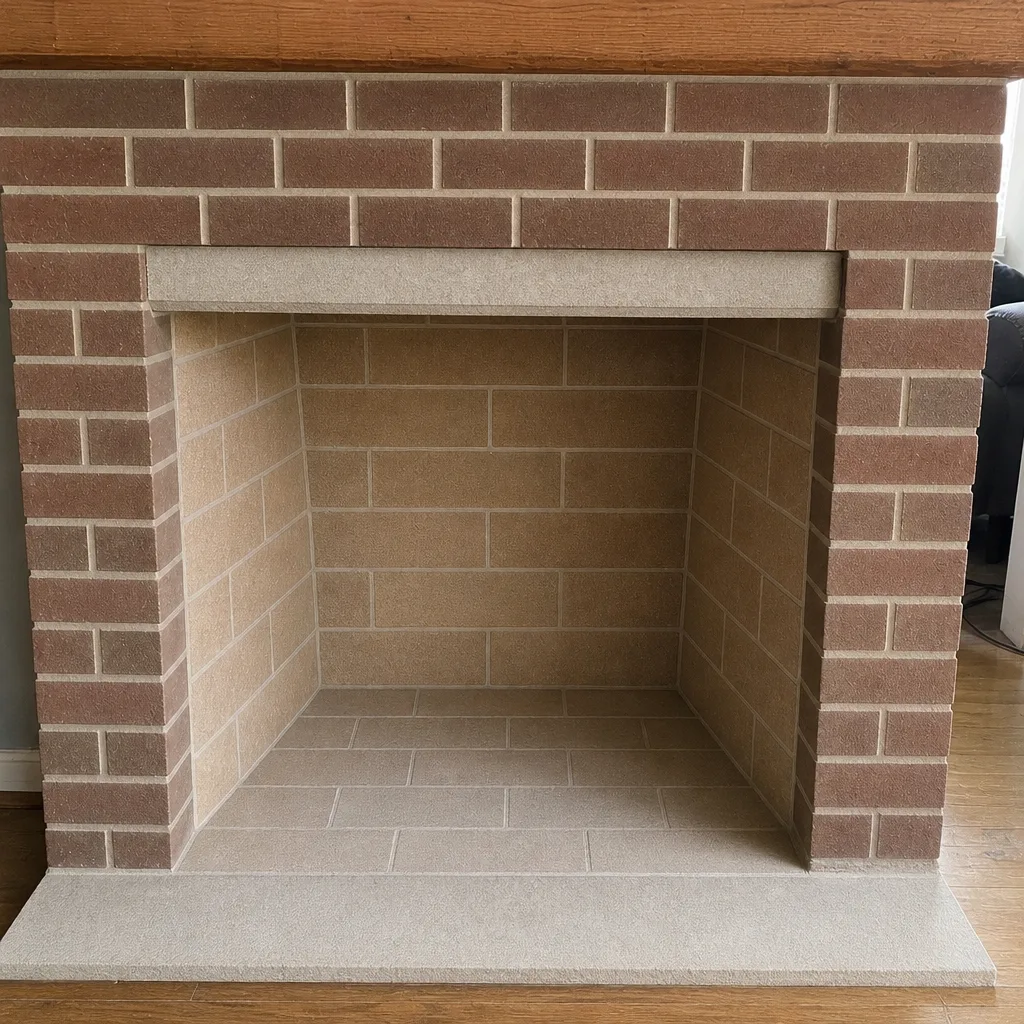
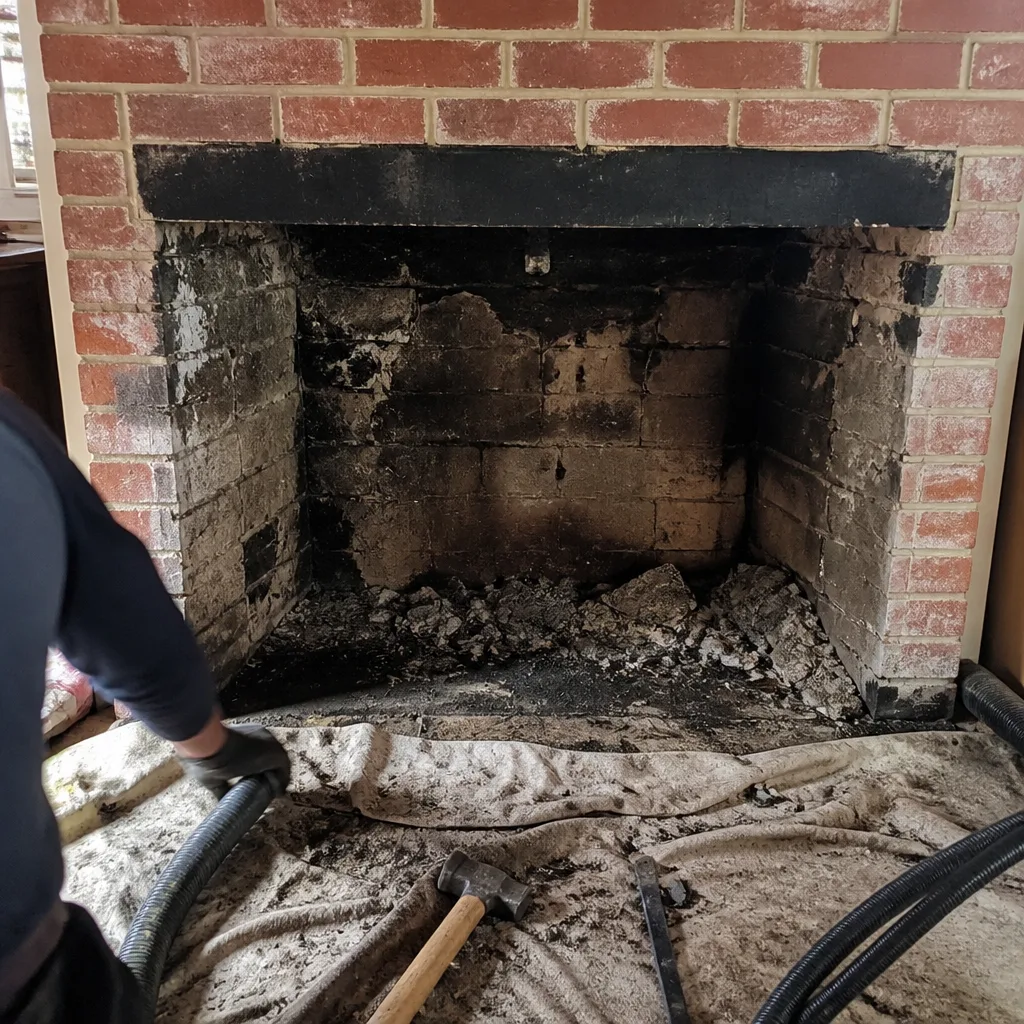
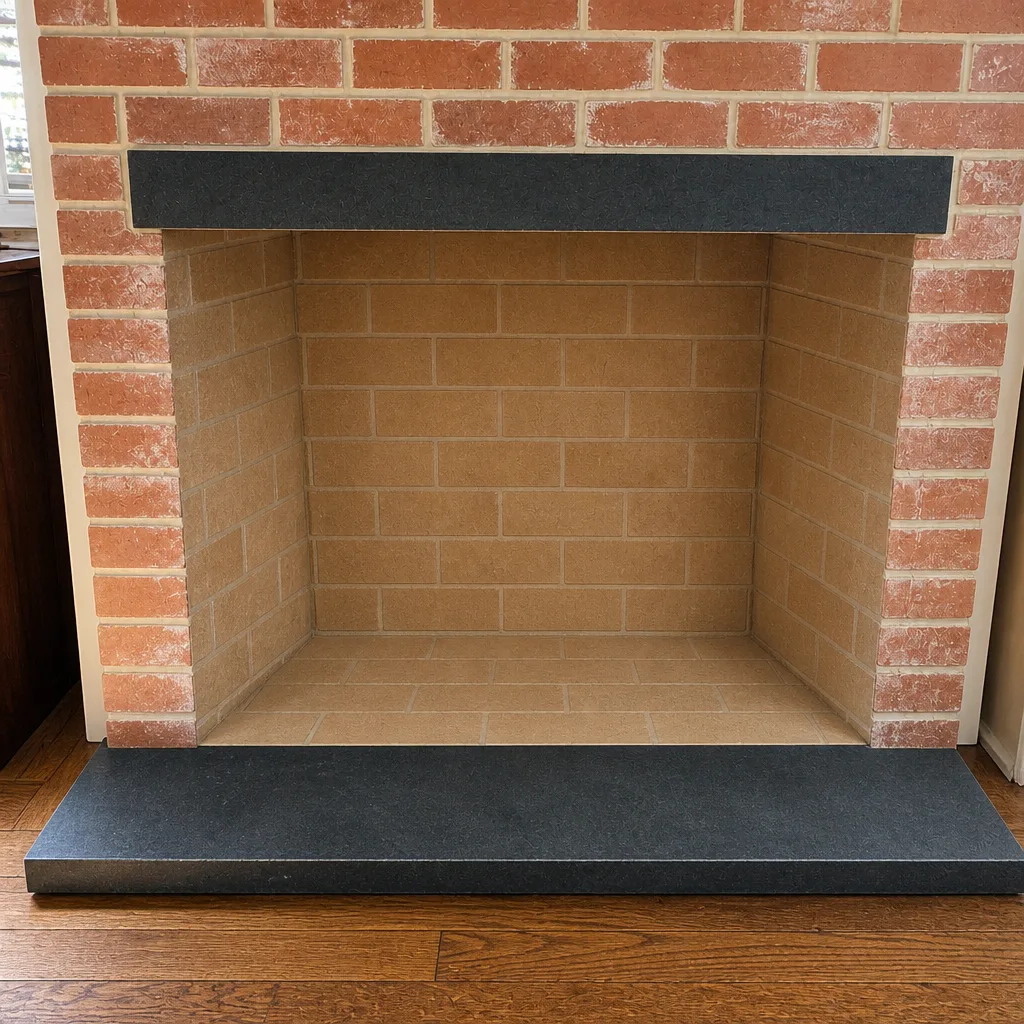
See the difference
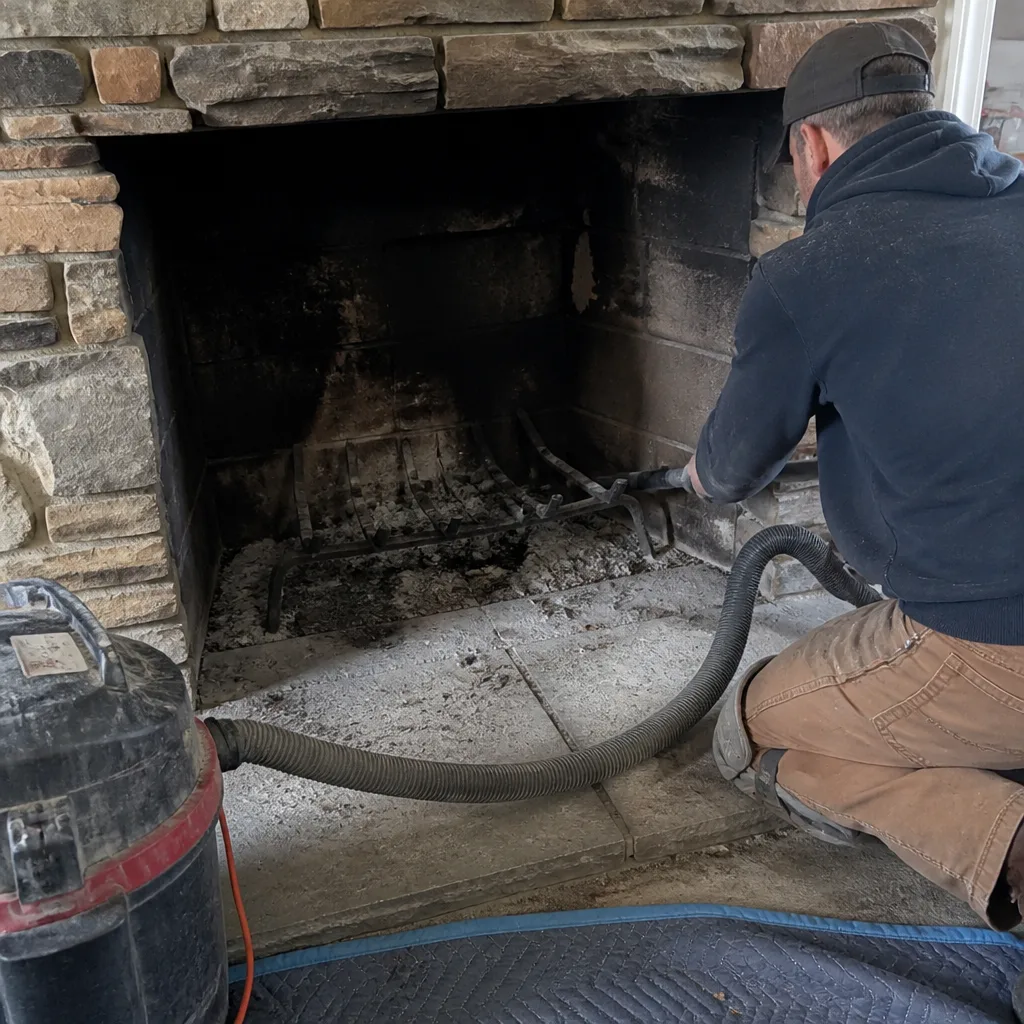 Before
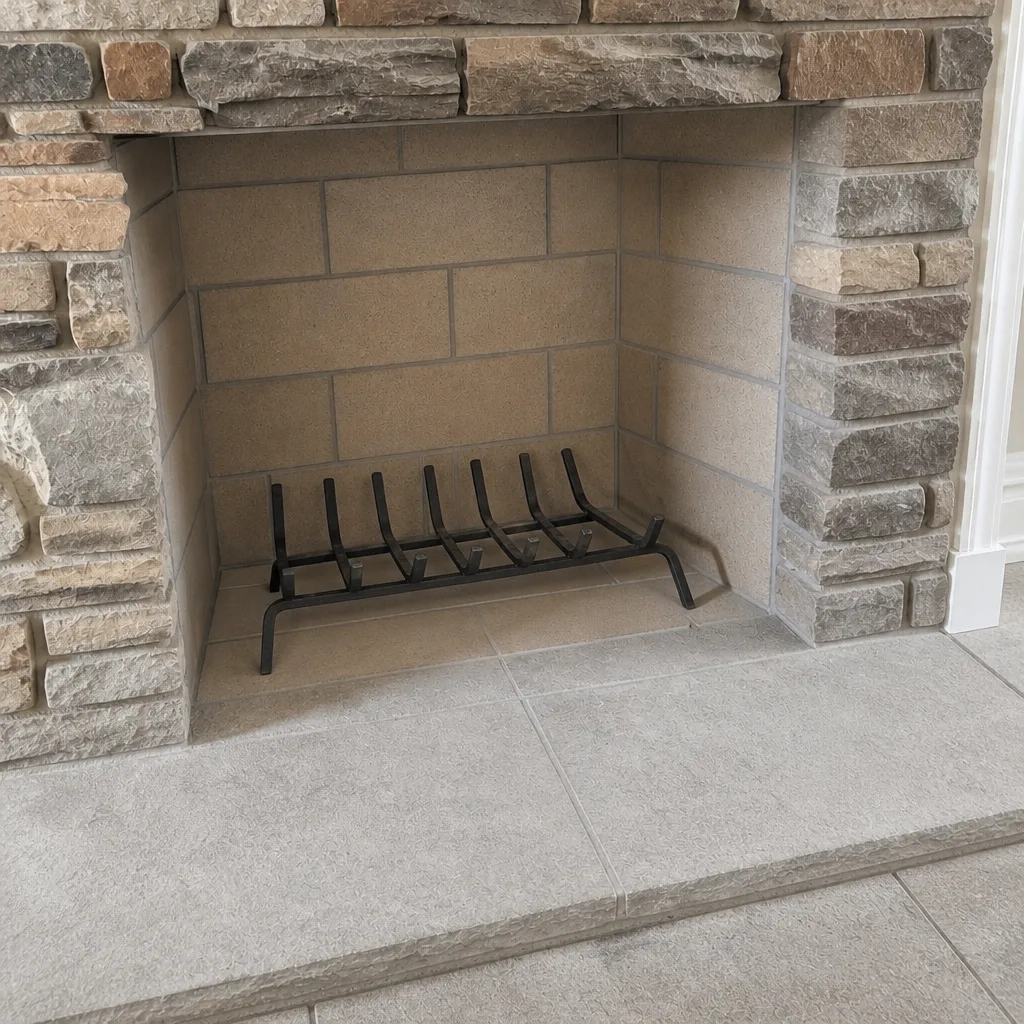 After
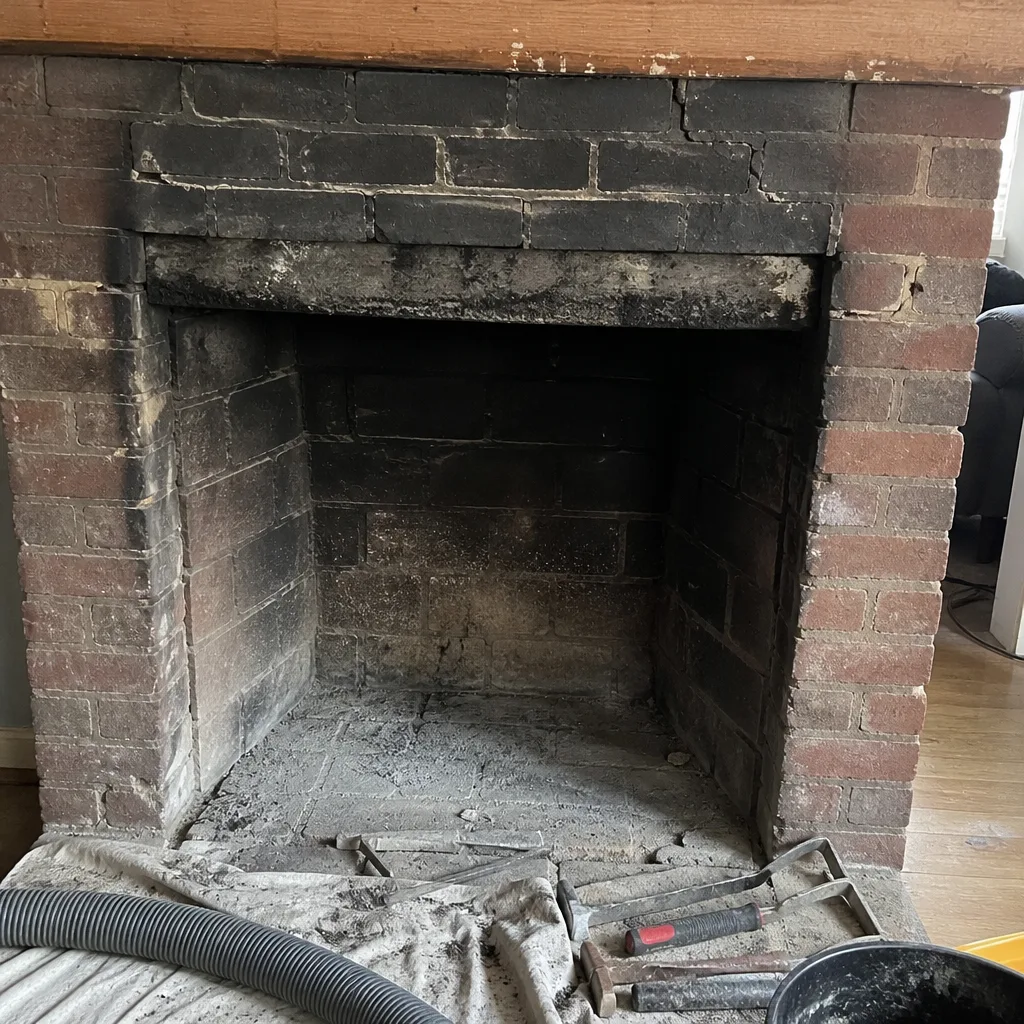 Before
 After
 Before
 After
Frequently Asked Questions
A routine chimney sweep in Tacoma typically runs in the low-to-mid hundreds of dollars for a single flue, with the exact price depending on the chimney’s configuration and whether a camera inspection is included. The written estimate sets the final price, and it should be agreed before the technician starts work. Call (844) 945-4427 for an exact quote – estimates are free.
Only if the camera inspection shows the liner is actually compromised – cracked tiles, gaps in the mortar joints, or deterioration that lets heat or creosote reach the surrounding structure. A liner recommendation should always come with camera evidence you can see yourself. If a contractor tells you a new liner is needed without showing you the images, ask for them before you agree to anything. Call (844) 945-4427 to book an inspection with a photo report.
The general rule is once a year if you burn wood regularly, and more often if you burn frequently or burn green or unseasoned wood, which produces more creosote. A gas fireplace still needs an annual inspection even though it produces far less debris. The inspection is the part that matters most, because it catches liner and crown issues before they become repairs. Call (844) 945-4427 to schedule a sweep and inspection.
Creosote builds up in the flue, and at a certain thickness it can ignite, which is a chimney fire even if you never see flames. Separately, a cracked liner or a damaged crown can let water and heat into places they shouldn’t be, and those problems get more expensive the longer they sit. Skipping a sweep doesn’t mean nothing happens; it means you don’t know what’s happening. Call (844) 945-4427 for an inspection that tells you where you stand.
No. Washington State does not issue a chimney sweep license and does not require CSIA certification to perform chimney cleaning, so certification is a useful signal but not a legal requirement. Treat it as a floor rather than a ceiling, and pair it with the five technical questions in this guide. Call (844) 945-4427 to talk through your chimney’s specifics.
Yes, and that’s the reason to look for a full-service chimney specialist rather than a sweep-only operator. A specialist can sweep, inspect, and then handle repair work like crown sealing, cap installation, or liner relining without handing you off to a second contractor. We handle the whole chimney, from the firebox to the crown. Call (844) 945-4427 for a free estimate.
The Bottom Line
The most important hiring skill for a Tacoma homeowner isn’t reading reviews. It’s asking the right questions and knowing what a good answer sounds like. Verify that the contractor specializes in chimney work rather than treating it as a sideline, ask about debris containment, camera inspection, and inspection levels before you book, and insist on a written quote with itemized line items. Look for a company that can diagnose and repair, not just clean, because the diagnosis is where the real value lives. And never accept a liner or masonry recommendation without camera evidence you can see yourself. If the findings are clear and the work can wait, a good contractor will tell you so.
Contact
If you’d like a straight answer about your chimney’s condition, call Tacoma Chimney Sweep Co at (844) 945-4427 for a free estimate. We answer 24/7. Fast dispatch from 7am to 7pm, Sunday through Friday. We handle inspection, sweep, repair, fireplace repair, and cap and crown work under one roof, using professional-grade materials from DuraFlex, HeatShield, Gelco, Olympia Chimney, Famco, and Copperfield. Our technicians have up to 10 years of experience. An honest inspection first, then a repair recommendation you can act on when you’re ready.
Written by the team at Tacoma Chimney Sweep Co.