
Last updated November 25, 2026
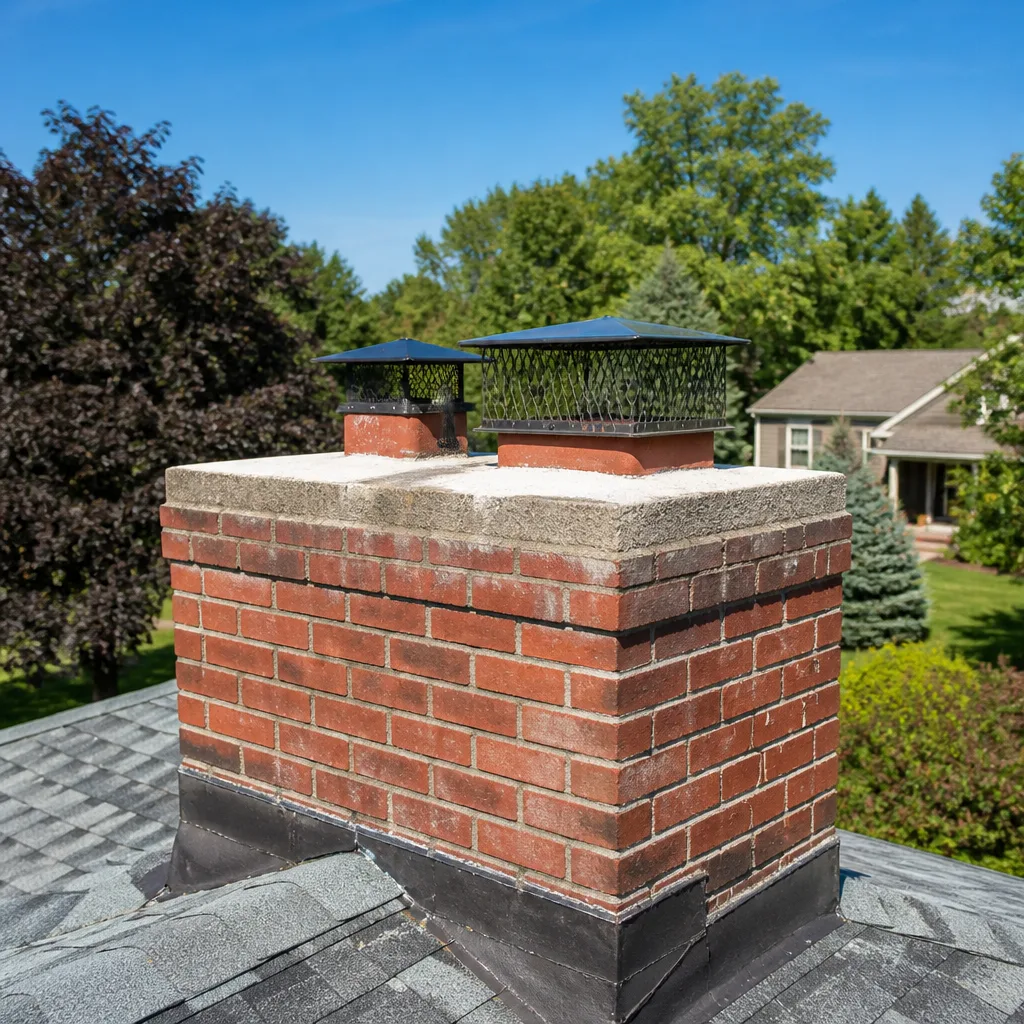 Sweep & inspection
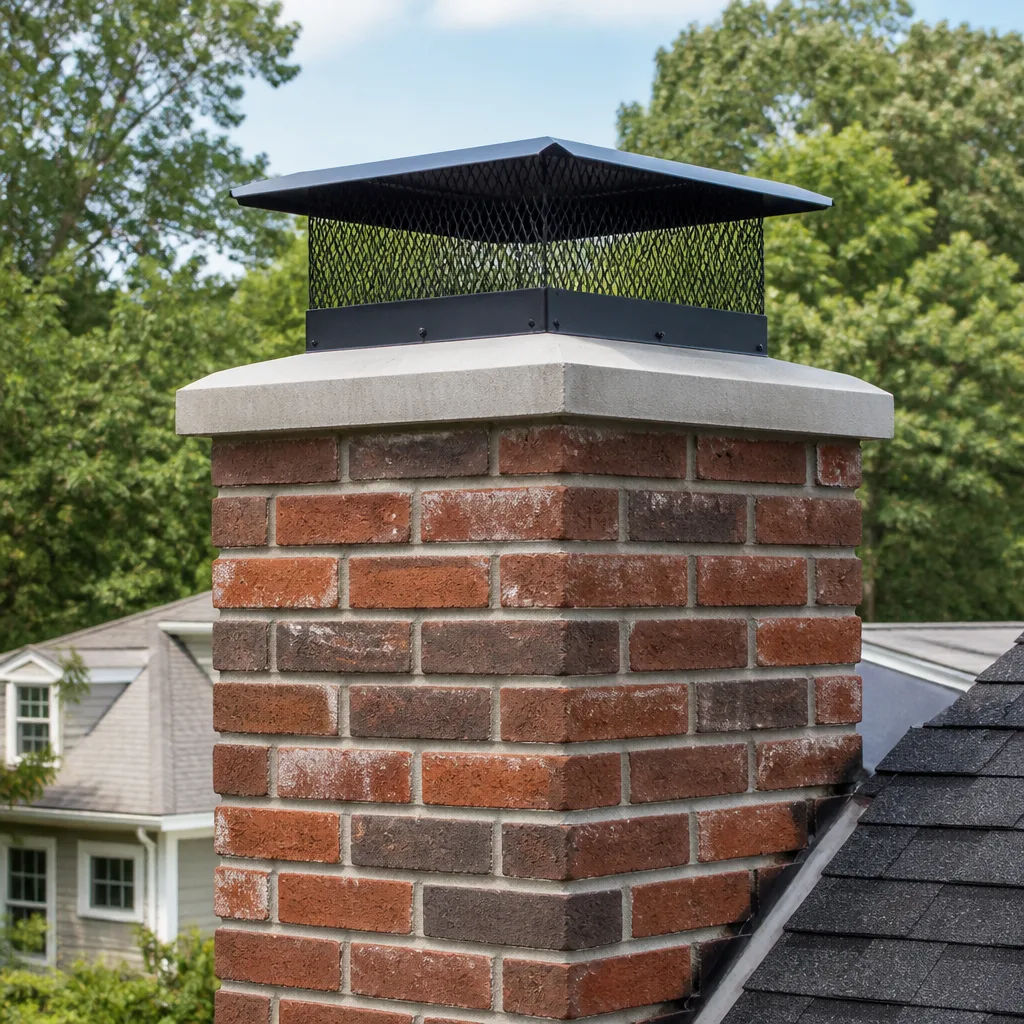 Caps & crowns
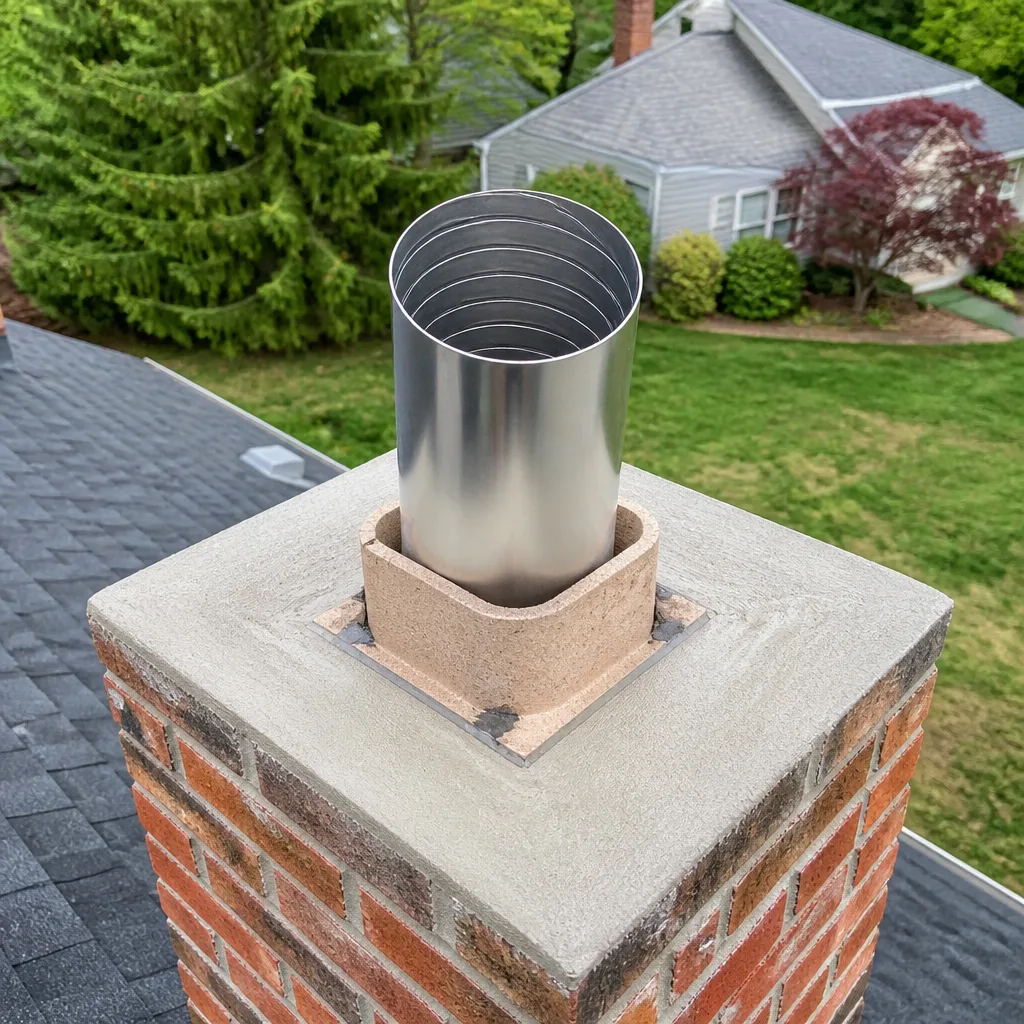 Flue relining
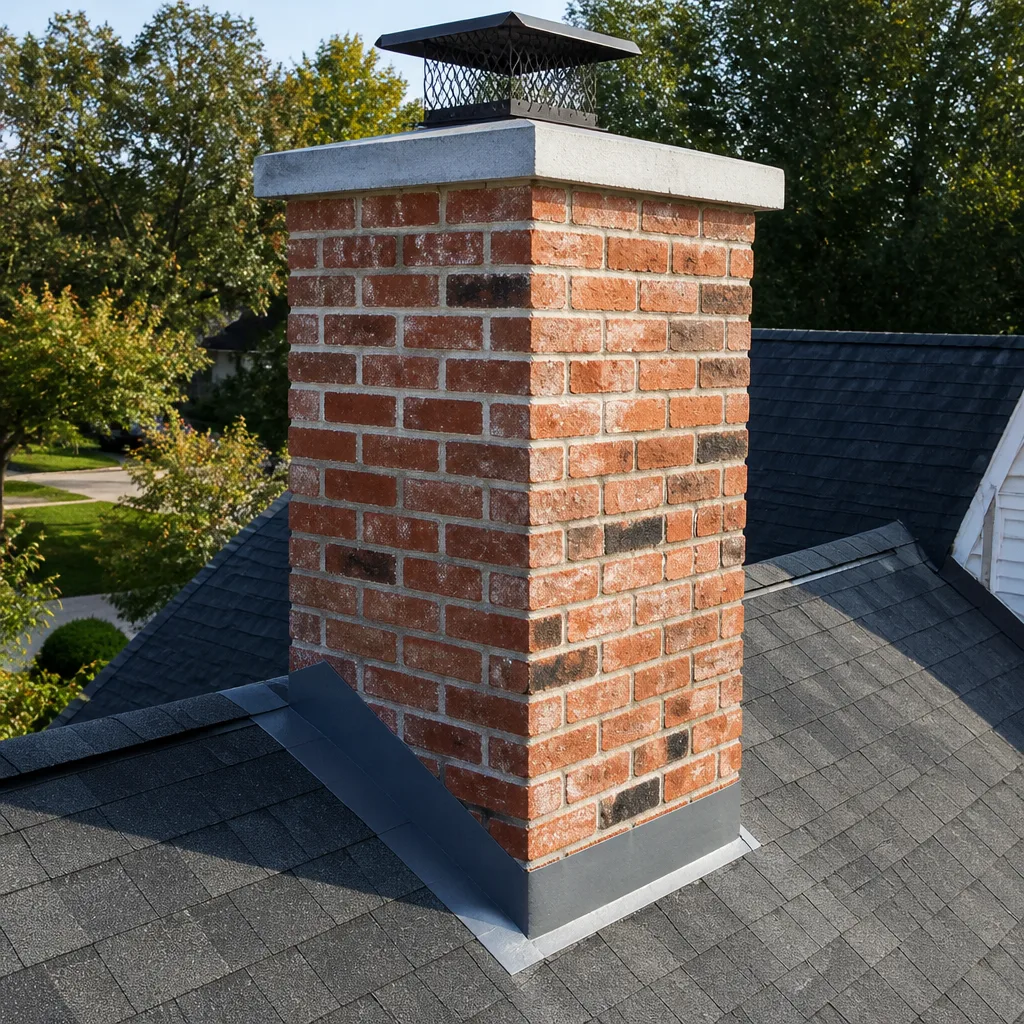 Masonry repair
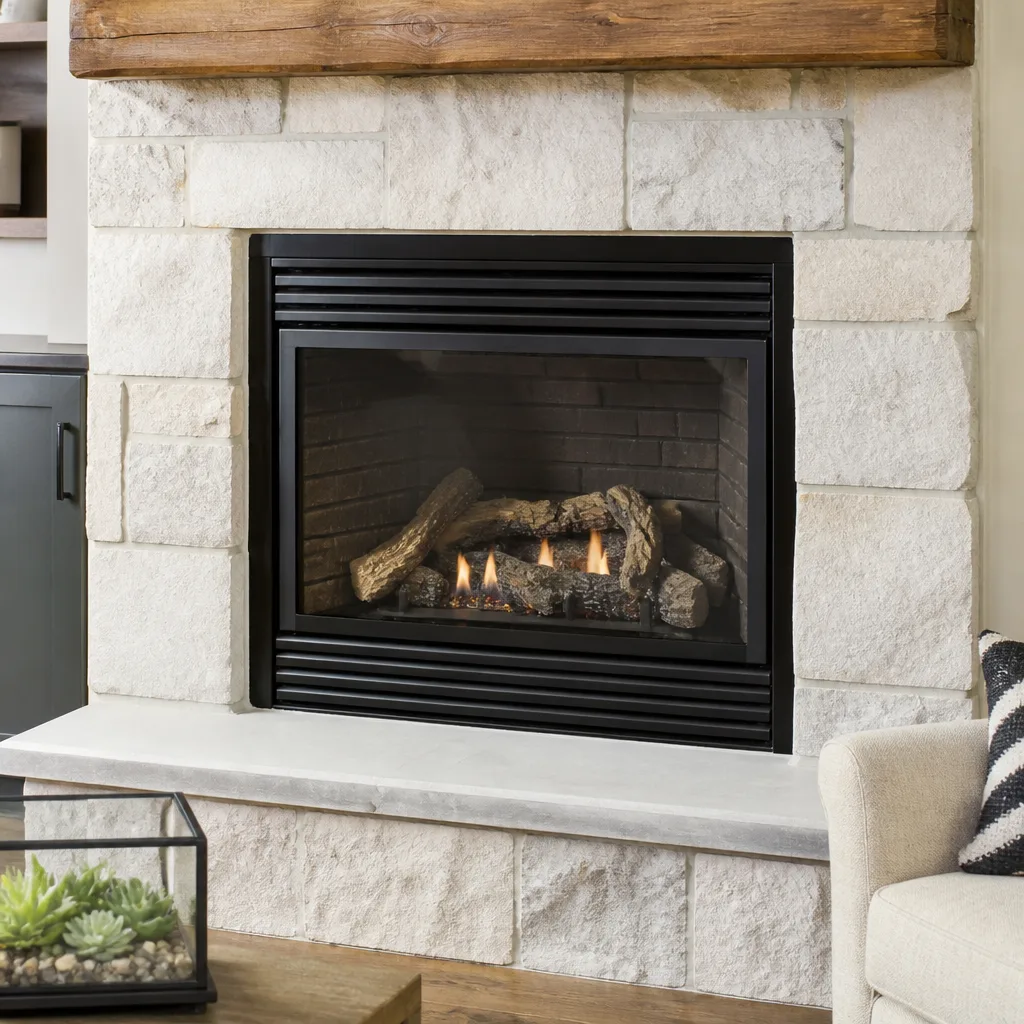 Gas fireplace service
Level 1 sweep and inspection to the NFPA 211 annual standard - flue, crown, cap, and flashing checked and photographed
Chimney sweep logs do not sweep chimneys. They loosen some creosote - which then falls where a brush and vacuum still have to collect it.
Chimney Sweep Maintenance Checklist for Tacoma Homeowners
The part of your chimney most likely to fail first is the part almost nobody looks at: the cap. Harsh weather, constant moisture, and repeated freeze-thaw cycles work on a galvanized steel cap year after year, and a cheap one can rust through faster than you’d expect. Meanwhile, most chimney advice stops at “get an annual inspection” and leaves you with no idea what anyone is actually checking. This guide changes that. We’ll walk through your chimney component by component, tell you what “good” looks like versus “needs attention,” separate what you can safely check yourself from what needs a professional camera, and give you real maintenance intervals for each piece. By the end, you’ll know your Tacoma chimney.
Styles & brands we work with
- Sweep & inspection
- Caps & crowns
- Flue relining
- Masonry repair
- Gas fireplace service
Quick Answer
A chimney maintenance checklist for a Tacoma home should cover seven components: firebox, damper, smoke chamber, flue liner, crown, cap, and flashing. Homeowners can safely inspect the firebox, damper, and cap from ground level or inside the firebox; the flue liner, smoke chamber, and flashing need a professional camera inspection. Sweep the flue annually when you burn wood, check the cap and crown every spring, and test the damper seal each fall before your first fire.
Table of Contents
- Why Tacoma Chimneys Age Differently
- The Firebox: What Good Looks Like
- The Damper: The Dollar-Bill Test
- The Smoke Chamber: The Hidden Zone
- The Flue Liner: Your Most Important Component
- The Crown and Cap: Where Water Wins
- Flashing and Masonry: Reading the Signs
- A Component-by-Component Maintenance Schedule
- Common Mistakes to Avoid
- When to Call a Professional
- Frequently Asked Questions
Why Tacoma Chimneys Age Differently
Tacoma’s climate is hard on masonry and metal in ways that flat, dry parts of the country never see. We get months of steady rain, followed by cold snaps that freeze water sitting inside brick and mortar. Water soaks into a porous surface, expands when it freezes, and pushes the material apart from the inside. Repeat that cycle over enough winters and mortar joints crumble, brick faces spall, and metal fittings corrode. That’s why a chimney near Point Defiance or up in the North End can look tired at an age when the same chimney in a drier climate would still be sound.
Older Tacoma housing stock adds another layer. Craftsman bungalows and mid-century homes around Stadium District, the Proctor District, and Lincoln often have original brick chimneys with soft mortar that’s been repointed at least once. Soft lime mortar erodes faster than the modern mix some contractors use to patch it, so mismatched repairs are common. Knowing the age and construction of your chimney helps you predict which component will fail first.
Here’s the practical takeaway: in Tacoma, water management matters as much as fire safety. A chimney that stays dry lasts dramatically longer than one that doesn’t, and the cap and crown are your first line of defense. Any maintenance plan that ignores them is missing the biggest variable in this climate.
The Firebox: What Good Looks Like
The firebox is the masonry chamber where the fire actually burns, and it’s the one component you can inspect safely yourself, with a flashlight and no fire lit. What you’re looking for is the condition of the firebrick and the joints between them. Firebrick is rated to take direct heat; regular brick and mortar are not.
Good: Firebrick faces are intact, joints are filled and tight, and there’s no crumbled mortar at the seams. The brick may be dark with soot, which is normal.
Needs attention: Cracks wider than a hairline in the firebrick, missing or recessed mortar joints, white powdery deposits (efflorescence) that suggest moisture is getting in, or brick faces that flake and pit. Any open gap lets heat and embers reach the structure behind the firebox, which is a genuine fire risk.
Gas fireplaces have their own firebox concerns. Look for rust, corrosion on the burner or logs, and any sign of water staining. A gas firebox that’s staying wet signals a cap, crown, or flashing problem higher up the chimney.
If you find deteriorated firebrick, don’t keep burning until it’s assessed. This is repair work, not cleaning, and it’s one of the fireplace repair jobs our technicians handle. Most firebox repointing is straightforward once it’s caught early.
The Damper: The Dollar-Bill Test
The damper is the metal door above the firebox that seals the flue when you’re not burning. A damper that doesn’t seal does two things in a Tacoma home: it lets heated indoor air escape straight up the chimney, and it lets damp outside air and moisture back down into the firebox. In our rainy season, that second problem matters as much as the first.
You can test the damper seal quality with a dollar bill. Here’s how:
- Open the damper fully and check that it moves freely without binding or excessive play.
- Close the damper and look for any visible gap around the edges.
- Slide a dollar bill partway into the gap at several points around the damper plate.
- Let go of the bill. If it slides out easily, the damper isn’t sealing at that spot.
- Repeat around the full perimeter. A bill that’s gripped firmly means a decent seal there.
A damper that leaks at one or two spots may still be usable, but a damper that won’t grip the bill anywhere needs attention. Sticking, rusted, or warped dampers are common in older Tacoma homes, and they’re usually repairable or replaceable without touching the flue. If the damper mechanism is seized, don’t force it; that’s when a professional should look.
The Smoke Chamber: The Hidden Zone
Above the damper and below the flue sits the smoke chamber, a tapered space that funnels smoke up and out. You generally can’t see it well from the firebox, and you can’t see it at all from the ground. This is one of the components that requires a professional with a camera.
The smoke chamber’s job is to smooth the transition from a wide firebox to a narrow flue. Poorly built or deteriorating smoke chambers have rough, corrugated surfaces that catch creosote and slow smoke. Over time that buildup and the rough surface combine to reduce draft, which shows up as smoke spilling into the room instead of going up.
We’ve seen plenty of Tacoma chimneys where the smoke chamber was never properly parged (smoothed with a refractory coating) when built. The rough corrugations collect creosote that’s hard to sweep out, and that buildup is a chimney fire risk. Professional-grade materials like HeatShield are made specifically for resurfacing these interior surfaces and restoring a smooth, sealed chamber without a full rebuild.
Because the smoke chamber is hidden, it’s the component homeowners most often don’t know to ask about. When you book an inspection, confirm the technician will actually look at it, not just run a brush down the flue.
The Flue Liner: Your Most Important Component
The flue liner is the passage the smoke and gases travel through. It’s the single most important component in your chimney, and it’s the one that carries the most serious safety stakes. A cracked or missing liner lets heat and carbon monoxide reach the structure and living space around the chimney. This is a component you must not try to assess yourself; it needs a camera.
Liners come in a few forms: clay tile, which cracks with age and thermal cycling; cast-in-place systems; and flexible stainless steel, which is what most relining work uses today. In our experience, clay tile liners in older Tacoma homes are the most common source of trouble, especially after decades of heating and cooling.
What a professional camera inspection shows you is whether the liner is continuous, whether tile joints are offset or cracked, and whether there’s buildup that needs sweeping. That’s also where you get honest evidence instead of a sales pitch: any recommendation for relining should come with photos you can see for yourself. Flexible liner systems like DuraFlex are what our technicians use for relining work, and ceramic restoration materials like HeatShield can repair certain liner and smoke chamber issues that would otherwise mean a rebuild. That’s the kind of advanced liner work many sweep-only companies decline or send elsewhere.
The Crown and Cap: Where Water Wins
If the liner is the most important component for safety, the crown and cap are the most important for longevity. The crown is the concrete or masonry surface on top of the chimney that sheds water away from the masonry. The cap is the metal or masonry cover that sits above the flue opening to keep rain, animals, and debris out.
The crown: Good means a solid, sloped surface with no cracks and a proper overhang past the brick. Needs attention means cracks, a flat or inward-sloping surface, or a crown that’s pulling away from the flue. A cracked crown lets water straight into the brick below, and in Tacoma that water freezes and does damage fast.
The cap: Good means a secure, intact cover with a spark screen and no rust holes. Needs attention means rust, loose or missing screens, dents, or a cap that’s simply gone. Galvanized steel caps are the most common type and the most vulnerable to our wet, freeze-thaw weather. Stainless caps last far longer. The chimney cap & crown work is the most preventive thing you can do for a chimney, because it stops the water damage that ruins everything below it.
You can see the cap and often the crown from the ground with binoculars. If you see rust streaks, missing screen sections, or visible cracks in the crown, that’s your cue to book an inspection.
Flashing and Masonry: Reading the Signs
Flashing is the metal seal where the chimney meets the roof, and it’s a leading source of roof and chimney leaks. You can spot flashing problems from the ground more often than you’d think: look for rusted or lifted metal, gaps at the roof joint, or staining on the roof surface around the chimney. What you can’t assess from the ground is whether the flashing is properly integrated under the shingles and sealed at the masonry; that takes a professional on the roof.
Masonry deterioration is where Tacoma homeowners most often mistake cosmetic staining for structural trouble, or the reverse. Here’s how to tell them apart:
- Cosmetic: Soot staining, efflorescence (white powder that brushes off), and dark discoloration that doesn’t change the surface texture. These are water and weather marks, not structural failure.
- Deterioration: Mortar joints that are recessed, crumbled, or you can dig into with a screwdriver; brick faces that flake or spall; cracks that run through the brick itself; and any loose or displaced brick. These let water in and weaken the chimney.
Older Tacoma homes often have soft lime mortar that erodes more readily than modern mortar, and mismatched repointing with hard mortar can actually accelerate brick damage by trapping moisture. Proper repointing uses mortar matched to the original. That’s a repair decision worth getting right.
A Component-by-Component Maintenance Schedule
A blanket “inspect once a year” hides the fact that your chimney’s parts wear at different rates. Here’s a realistic schedule by component, tuned for Tacoma’s wet climate and the way most homeowners actually burn.
- Firebox: Check visually each fall before your first fire, and again mid-season. Full professional assessment with any sweep.
- Damper: Test the seal each fall with the dollar-bill test. Lubricate or repair if sticking.
- Smoke chamber: Professional camera inspection annually, or every two years if the chimney is clean and draft is strong.
- Flue liner: Camera inspection and sweep annually when you burn wood regularly. Gas fireplaces should be inspected periodically too.
- Crown: Inspect from the ground each spring. Professional assessment every inspection. Seal or rebuild if cracked.
- Cap: Check each spring and after big storms. Replace rusted galvanized caps with stainless when they fail.
- Flashing: Check from the ground each year; professional assessment every inspection, and after any roof work.
- Masonry: Ground-level look each spring; professional assessment any time you see crumbling joints or spalling brick.
If you burn wood heavily, sweep more often than annually; a quarter inch of creosote buildup is the usual threshold for scheduling a sweep. A chimney sweep is routine maintenance, not a sign something’s wrong.
Common Mistakes to Avoid
- Ignoring the cap until it disappears. A rusted-through or missing cap is the number-one water-entry point on Tacoma chimneys, and replacing it is far cheaper than repairing the water damage it causes.
- Assuming annual means everything gets checked. A quick brush-and-go doesn’t inspect the smoke chamber, crown, or flashing. Ask what’s included before booking.
- Treating cosmetic staining as structural failure (or the reverse). Efflorescence and soot are cosmetic; crumbled mortar and spalling brick are not. Knowing the difference keeps you from paying for repairs you don’t need, and from ignoring ones you do.
- Repointing with the wrong mortar. Older Tacoma brick needs soft, matched mortar. Hard modern mortar can trap moisture and crack the brick it’s supposed to protect.
- Forcing a stuck damper. A binding damper is often a simple fix; forcing it can bend the plate or break the mechanism. Test it gently and call if it won’t move.
- Burning wet or unseasoned wood. Green wood puts far more creosote in your flue, speeding up buildup between sweeps. Seasoned wood burns cleaner.
- Skipping inspection after a roof repair. Roof work near the chimney often disturbs flashing. Have the flashing checked any time roofing happens nearby.
When to Call a Professional
Some chimney work is yours to handle safely; the rest needs a trained technician. Call us when you see cracked firebrick or crumbled mortar in the firebox, when your damper won’t seal or won’t move, when smoke rolls into the room instead of up the flue (a draft or smoke chamber problem), when the crown is cracked or the cap is rusted through, or when flashing shows rust, gaps, or staining. Call us too if you’ve never had the flue liner inspected with a camera, if you’re buying a home and want an honest pre-purchase assessment, or if you’re smelling smoke in the house when the fireplace isn’t lit. This is the trade-off we care about: a professional inspection is how you find out what’s actually wrong, rather than guessing.
Tacoma Chimney Sweep Co offers free estimates in Tacoma. Call (844) 945-4427. We answer 24/7. Fast dispatch from 7am to 7pm, Sunday through Friday. We can also book an inspection on its own, so you get the assessment without committing to any work.
Frequently Asked Questions
A standard sweep is typically quoted as a flat price agreed before the work is booked, and the written estimate sets the final price. We give you the exact figure up front so there are no surprises, and the estimate itself is free. Call (844) 945-4427 for an exact quote.
Only if a camera inspection shows the liner is cracked, discontinuous, or deteriorated, and you should see that evidence yourself before approving the work. Plenty of chimneys get years more service from a clean, intact liner. We show photos of what we find and tell you plainly when relining can safely wait and when it can’t. If you’re being told you need a liner without seeing the inside of your flue, get a second look. Call (844) 945-4427.
Sweep when there’s about a quarter inch of creosote buildup, which for most regular wood-burners means once a year, and more often if you burn heavily or burn wet wood. Gas fireplaces need less frequent sweeping but still need periodic inspection. The right schedule depends on how and how much you burn. Call (844) 945-4427 to talk through yours.
Creosote builds up in the flue and becomes a chimney fire hazard, while water gets into cracks in the crown, cap, and masonry and freezes, doing damage that gets more expensive the longer it goes. The risk most homeowners don’t think about is carbon monoxide: a damaged liner can let combustion gases into the home. None of this is a reason to panic, but it is a reason to stay on schedule. Call (844) 945-4427 for a free estimate on getting caught up.
You can safely check the firebox, test the damper, and look at the cap and crown from the ground, and you should. The flue liner, smoke chamber, and flashing need a professional with a camera and roof access. A homeowner’s checklist catches problems early; it doesn’t replace a proper inspection.
If the mortar joints are recessed, crumbled, or soft enough to dig into with a screwdriver, or if brick faces are flaking and spalling, that’s deterioration, not staining. Efflorescence and dark discoloration that doesn’t change the surface texture are usually cosmetic. When you’re not sure, have it assessed; that’s a cheaper call than a repair. Call (844) 945-4427.
The Bottom Line
Your chimney is seven components with seven different failure timelines, not one thing called “the chimney.” In Tacoma’s wet, freeze-thaw climate, the cap, crown, and masonry are on the shortest cycle, and moisture is the enemy that ages everything fastest. Check the parts you can see safely, test the damper each fall with a dollar bill, and get a real camera inspection on the flue liner and smoke chamber. Every recommendation should come with evidence you can see, and plenty of work can wait once you know what you’re looking at. Use professional-grade parts when you repair, and treat the cap and crown as routine maintenance rather than a repair.
If you’d like a straight answer on where your chimney stands, Tacoma Chimney Sweep Co is here. Our technicians have up to 10 years of experience, and we handle the whole chimney, from the firebox to the crown, using professional-grade materials like DuraFlex and HeatShield rather than hardware-store substitutes. Our technicians work with HeatShield, Olympia Chimney, Gelco, and other trade brands, and we offer standalone inspections so there’s no pressure to book work you’re not ready for. Call (844) 945-4427 for a free estimate. We answer 24/7. Fast dispatch from 7am to 7pm, Sunday through Friday.
Written by the team at Tacoma Chimney Sweep Co.
See the difference
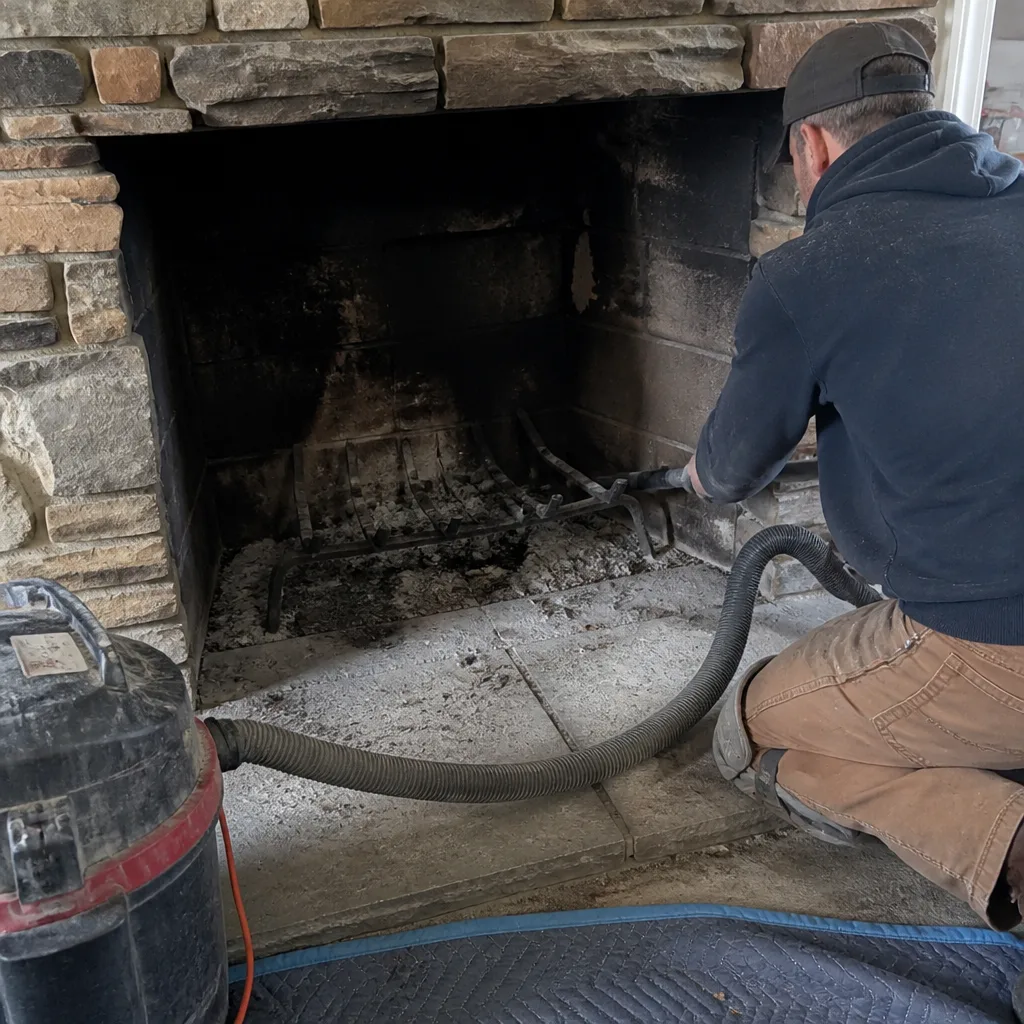 Before
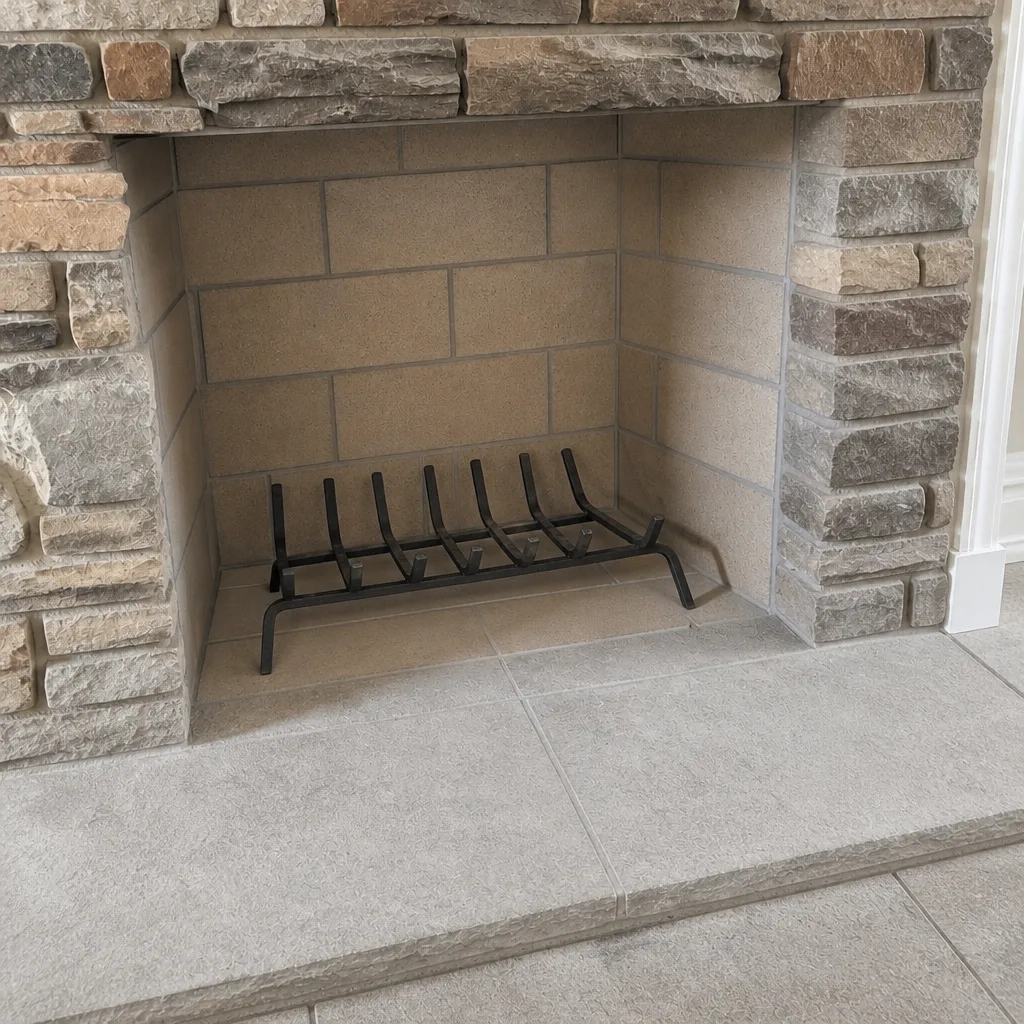 After
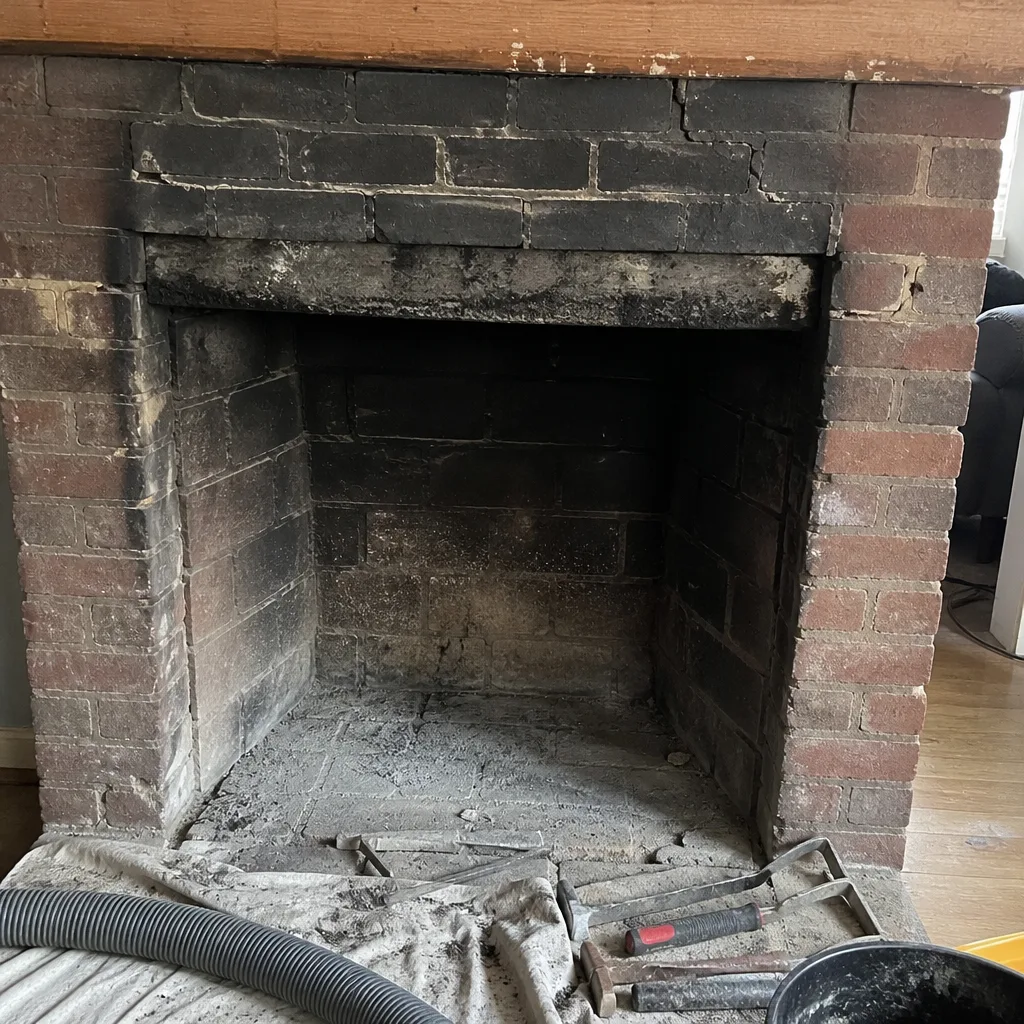 Before
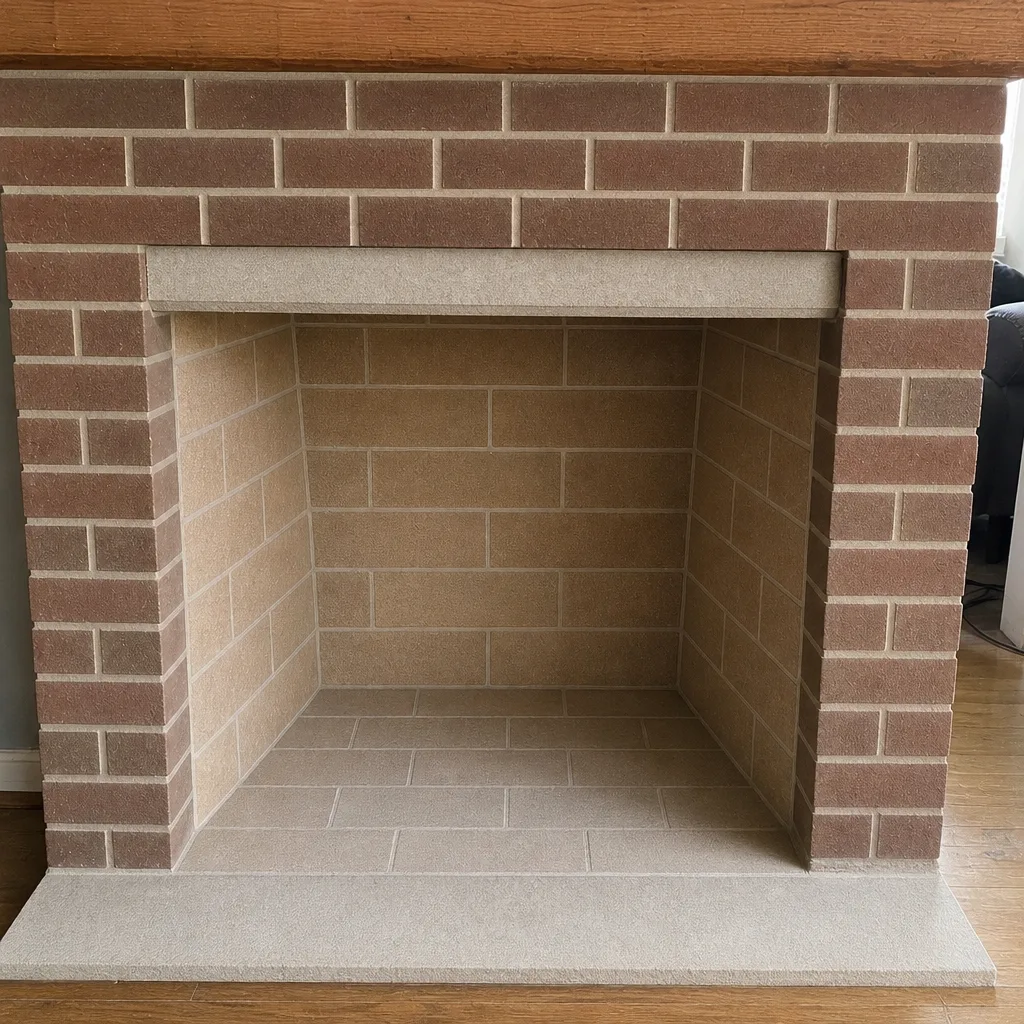 After
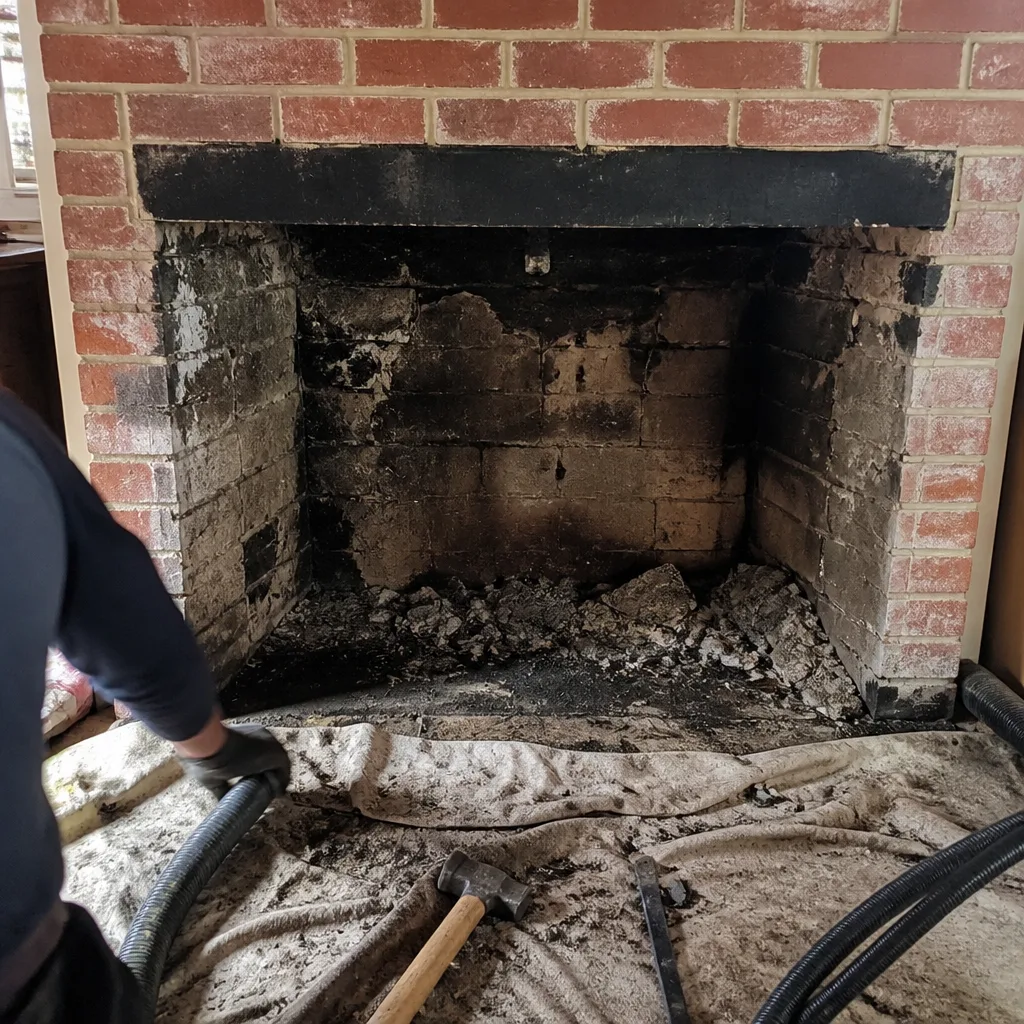 Before
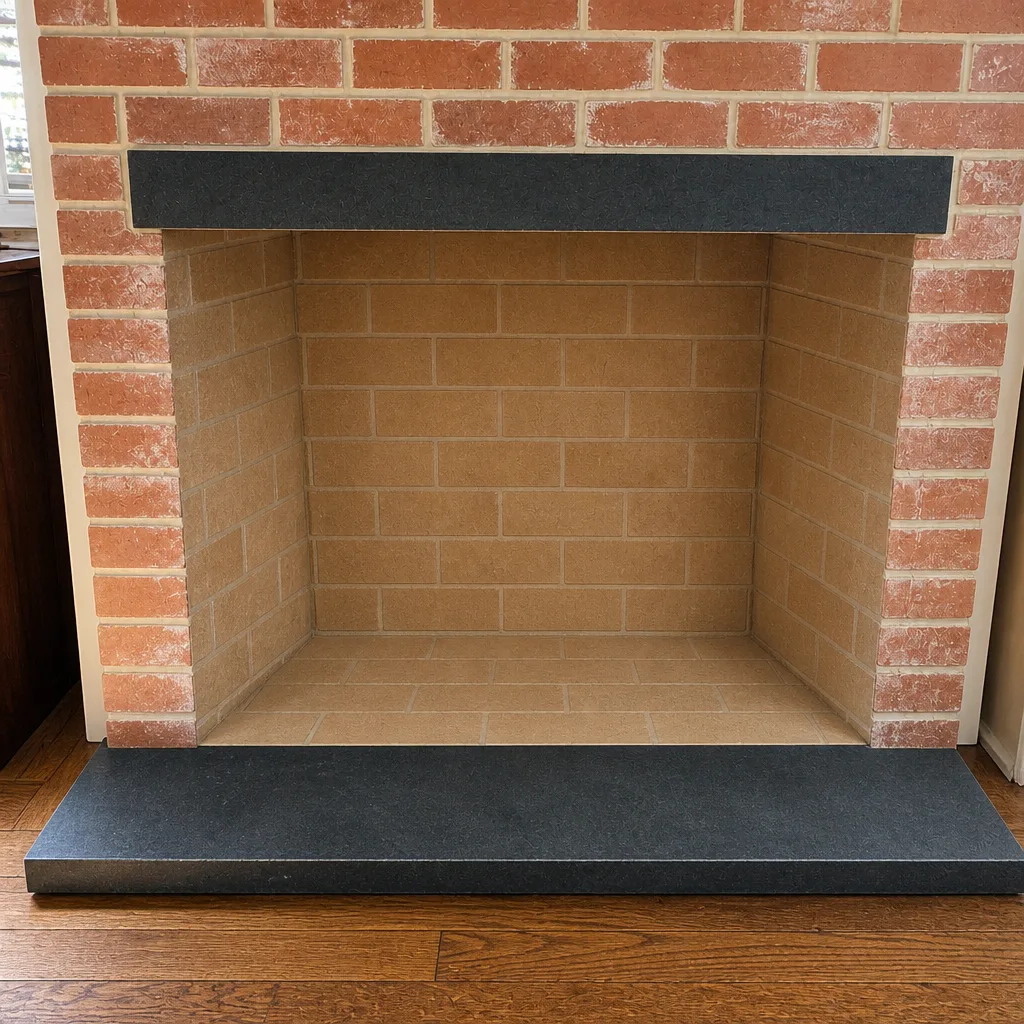 After