
Last updated November 25, 2026
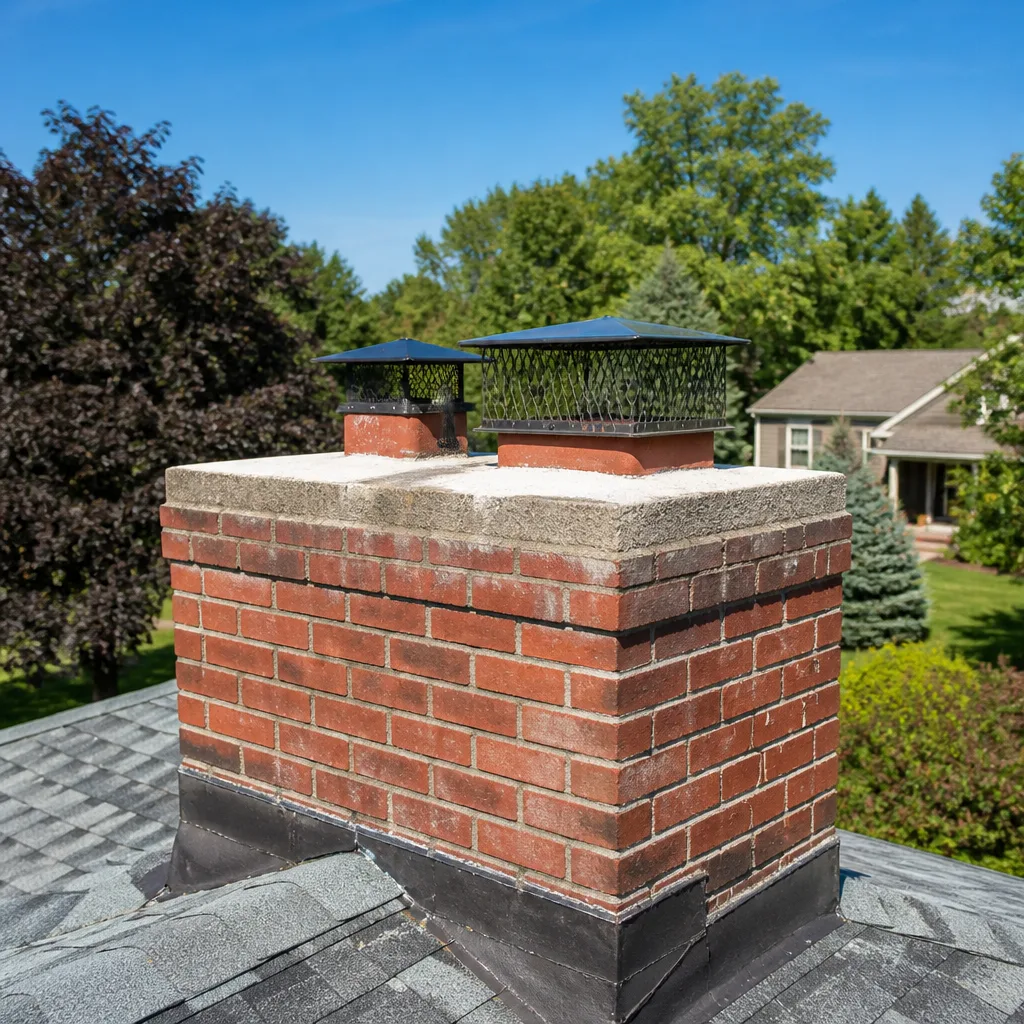 Sweep & inspection
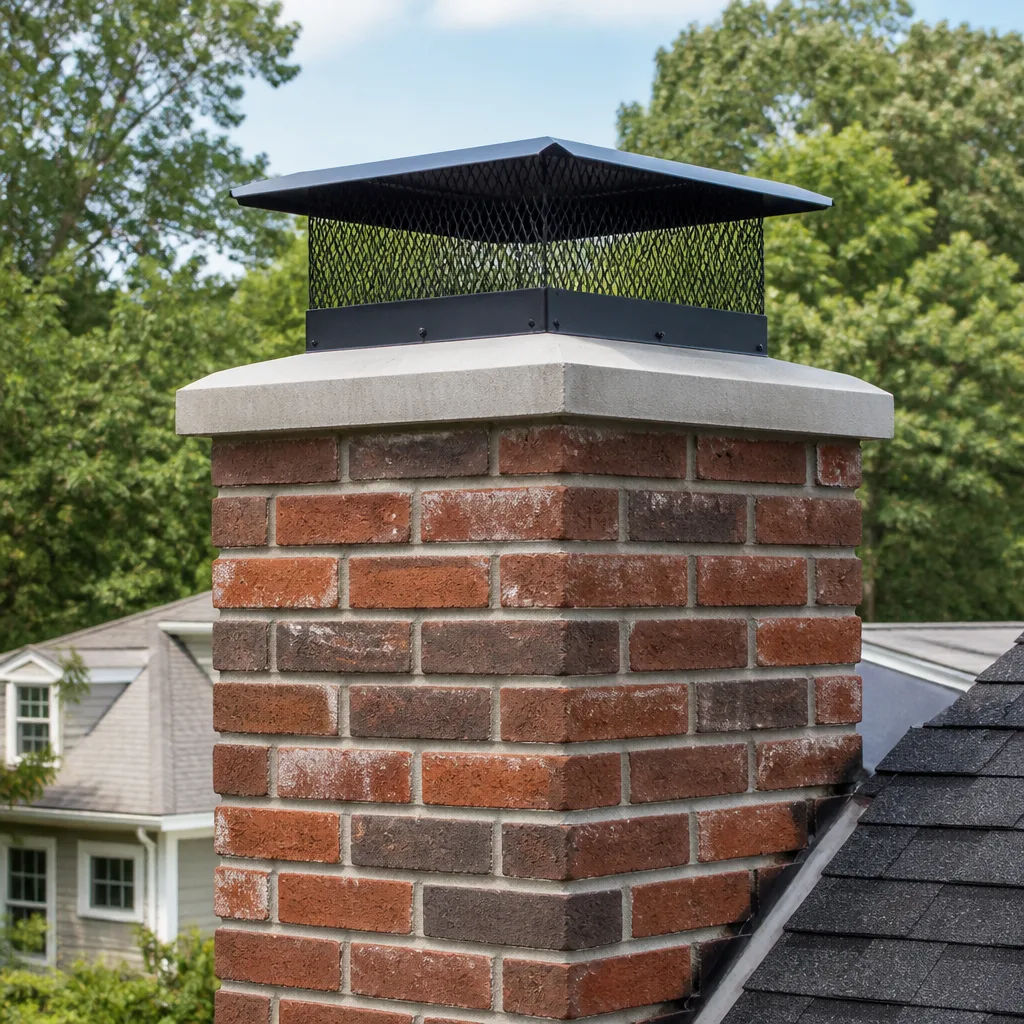 Caps & crowns
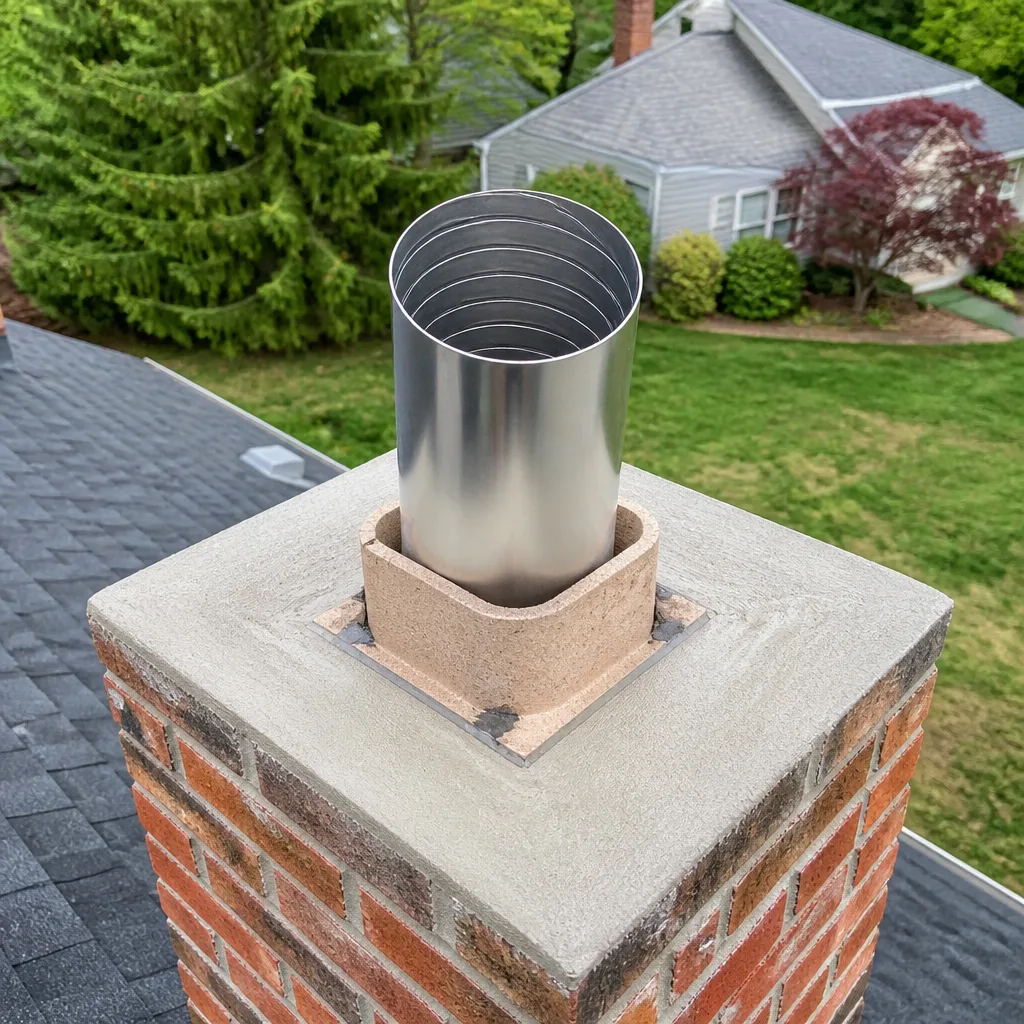 Flue relining
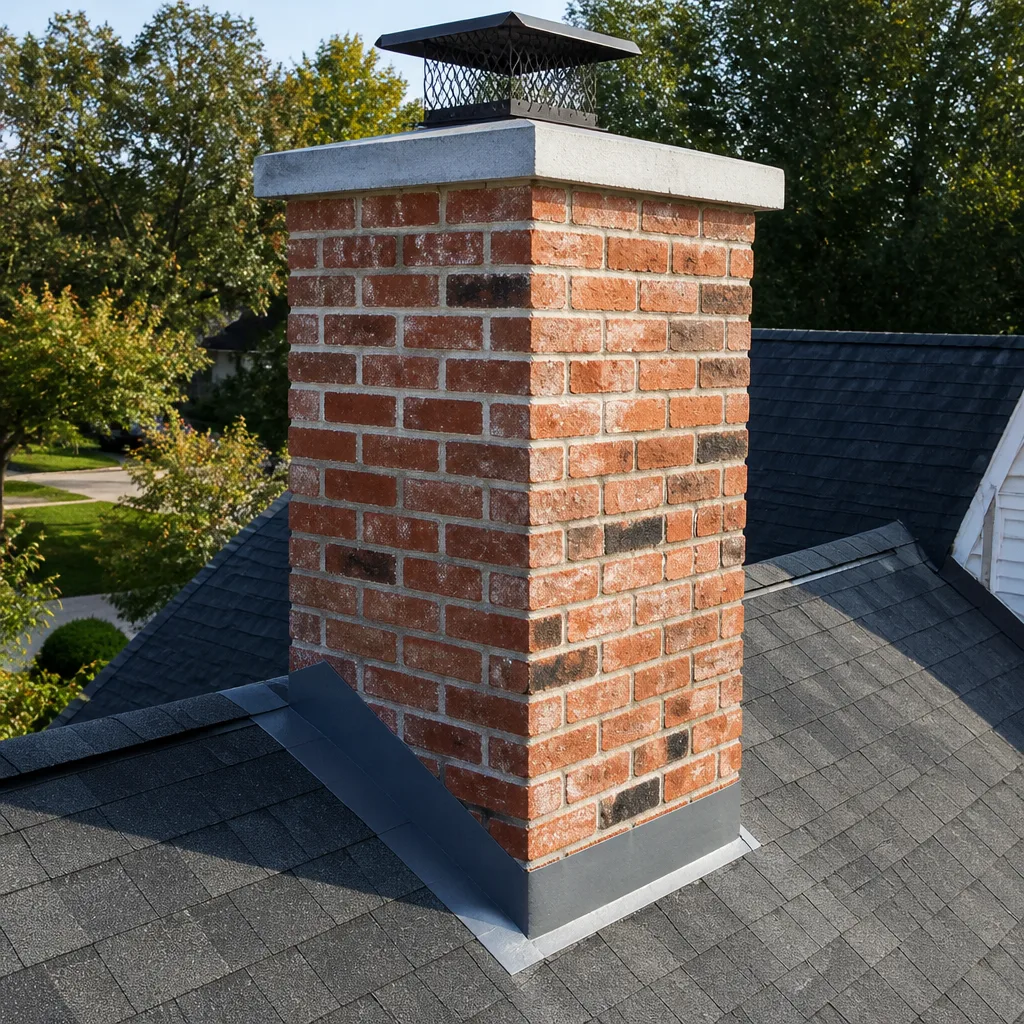 Masonry repair
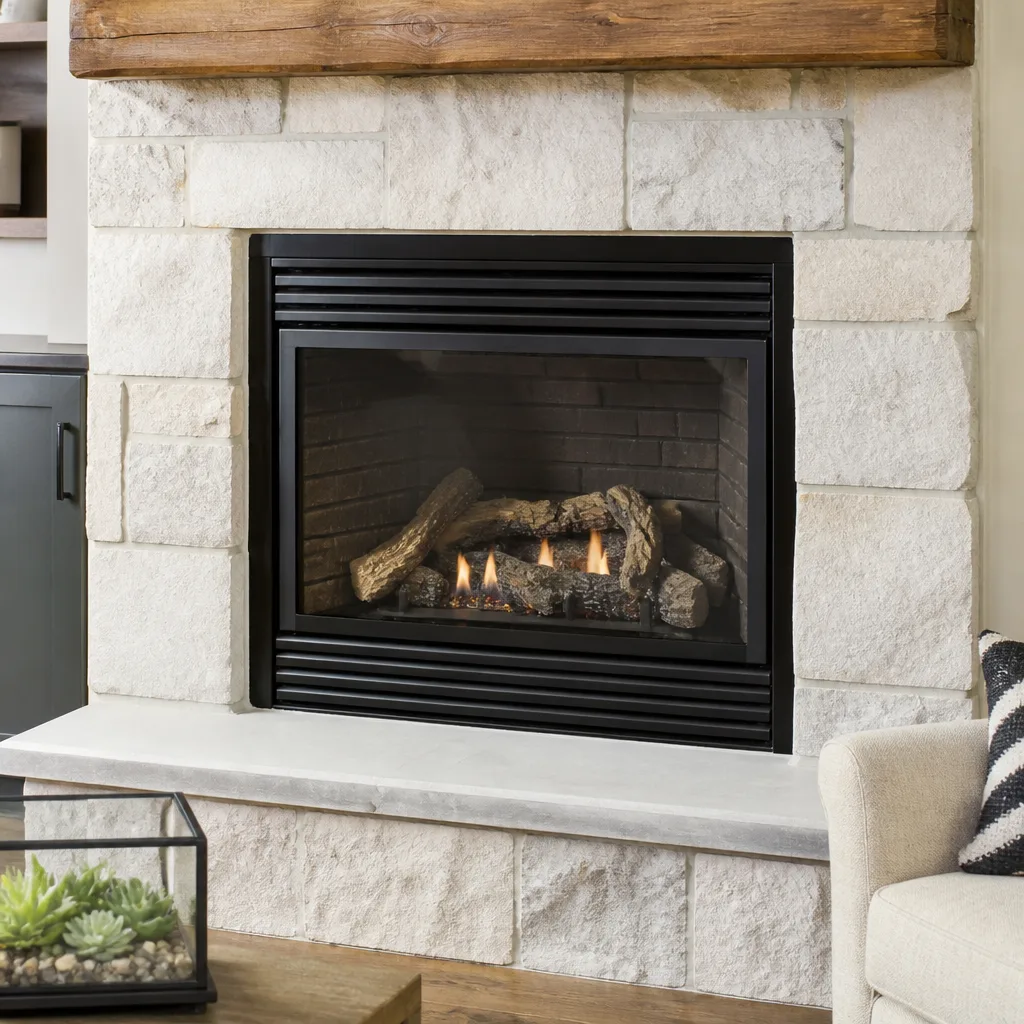 Gas fireplace service
Level 1 sweep and inspection to the NFPA 211 annual standard - flue, crown, cap, and flashing checked and photographed
Chimney sweep logs do not sweep chimneys. They loosen some creosote - which then falls where a brush and vacuum still have to collect it.
Chimney Cleaning Emergency Preparedness Guide for Tacoma Homes
Most people think the dangerous chimney fire is the loud one. It isn’t. The one that does the most damage often burns slowly, starved of oxygen, creeping along creosote deposits for twenty or thirty minutes while the living room stays quiet and nobody smells smoke. You find out months later, when a sweep looks up the flue and points to a cracked tile or a warped damper. A fast, roaring chimney fire at least announces itself. The slow one gives you no warning at all.
This guide is about the parts of chimney emergencies that homeowners in Tacoma usually haven’t rehearsed: what to actually do in order before the fire department arrives, how to read the signs that a fire already happened, what water in the firebox after a storm is telling you, and why a cracked flue tile matters more in a tight modern house than an old drafty one. You’ll leave with a plan you can write down and keep.
Quick Answer
A chimney fire is a real emergency: call 911 first, get everyone out, and don’t try to fight it yourself. After the fire is out, the chimney needs a professional inspection before you burn again, because the heat can crack flue tiles and open a path for carbon monoxide. If you’re not sure whether you had a fire, a sweep can tell by looking inside the firebox and at the crown, and getting that answer is the whole point of booking an inspection.
Styles & brands we work with
- Sweep & inspection
- Caps & crowns
- Flue relining
- Masonry repair
- Gas fireplace service
Table of Contents
- What to Do During an Active Chimney Fire
- Signs of a Slow-Burn Chimney Fire You May Have Missed
- Why Water in the Firebox After a Storm Matters
- Carbon Monoxide and Cracked Flue Tiles in Tight Tacoma Homes
- What to Tell Emergency Responders About Your Chimney
- Keeping a Simple Chimney Log
- Preparedness Checklist Before Burning Season
- Beyond Fire: When Water and Weather Are the Emergency
What to Do During an Active Chimney Fire
A chimney fire is a fire inside the flue, usually fueled by creosote that has built up on the walls of the chimney. It can sound like a low roar, a popping noise, or a train rumbling through the house. Sometimes there’s no sound at all. The order of what you do matters more than speed, because panicking and guessing can make things worse.
Here’s the sequence we’d want any Tacoma homeowner to follow:
- Call 911 first. Before anything else, get the fire department on the way. Don’t wait to see if it gets worse. A chimney fire can spread into the framing of the house through heat alone.
- Get everyone out of the room, then out of the house if the fire department tells you to. Children and pets first. Close the glass doors on a fireplace if you have them, but don’t stand in front of the firebox trying to watch.
- If the damper is open and it’s safe to reach, close it. This cuts oxygen to the fire in the flue. “Safe to reach” means no flames are spilling into the room and the handle isn’t too hot to touch. If there’s any doubt, leave it alone.
- Put out the fire in the firebox only if that’s safe. A small fire in the box can be smothered, but a flue fire is not something you fight with a household extinguisher. Your job is the room, not the chimney.
- From outside, watch the top of the chimney. Thick black smoke, sparks, or visible flame coming out of the crown tells responders the fire is still going. That exterior observation is genuinely useful information for the crew.
- Don’t use the chimney again until it’s been inspected. Even after the fire is out, the flue has been through extreme heat. Burning again before an inspection risks a second fire or a carbon monoxide leak.
One thing worth knowing: a chimney fire is not the same kind of emergency in every house. A masonry chimney with a clay tile liner behaves differently from a metal prefab flue, and a gas insert changes the equation entirely. That’s part of why the next section matters. If you’ve had a fire and need the system checked, start with a chimney sweep and an inspection before you light another fire.
Signs of a Slow-Burn Chimney Fire You May Have Missed
A slow-burn fire can leave real damage and still go unnoticed for months. The owners usually find out at the next annual cleaning. The good news is that the evidence is physical and specific, not mysterious. If you know what to look for, you can catch a past fire before the next one has a chance to make things worse.
Here’s what a trained eye checks, and what you can look for yourself:
- Cracked or crazed flue tiles. Heat cracks clay tiles along the joints. Small cracks that look like a spiderweb on the tile surface are a classic sign a flue got hotter than it was designed to get.
- Warped or distorted metal components. A damper that no longer sits flat, or a metal flue section that looks warped or blistered, points to extreme heat.
- Puffy, sponge-like creosote. This is the real tell. Creosote that has been through a fire ignites, expands, and cools into a honeycombed, crumpled texture. Once you’ve seen it, it’s unmistakable.
- Discolored or blistered paint on the exterior. On the outside of a metal chimney, scorch marks or bubbling are a direct indicator of a fire inside.
- Bits of creosote on the roof or in the yard. A fire can throw burning chunks up and out of the crown. If you find dark, brittle debris near the chimney cap after a fire event, that’s worth noting.
- Visible damage at the crown. Heat and water combined are hard on masonry. Cracks around the crown, or a crown pulling away from the flue, may be heat damage or freeze-thaw damage, and either way it needs attention.
If more than one of these is present, treat it as a fire that happened until proven otherwise. An inspection tells you whether the flue is sound enough to use again or whether liner work is needed. HeatShield and DuraFlex are the liner systems we work with for exactly this kind of repair, whether it’s a ceramic restoration or a full flexible relining.
Why Water in the Firebox After a Storm Matters
Tan water in the firebox after a heavy rain is not just a weather inconvenience. It’s usually a structural failure, and the most common one is a missing, loose, or rusted-out chimney cap. When the cap is gone, rain goes straight down the flue, and over time that water finds its way into the firebox, the smoke shelf, and the masonry itself. In Tacoma, where wet weather arrives in long stretches rather than quick bursts, that day-after-day water has a real chance to soak in and stay.
What makes a wet firebox more than a nuisance is what it sets up downstream:
- Deteriorating mortar and brick. Water in the masonry freeze-thaw cycle widens existing cracks and softens mortar joints. The masonry chimney slowly loses its ability to do its job.
- A crown that’s already failing. Once water gets behind the crown, it can undermine the whole top of the chimney. A chimney cap & crown service addresses both the entry point and the damage.
- Oxidized dampers and metal components. Wet metal rusts. A rusted damper can seize open or shut, which strands you with no control over the fire.
- A flue that’s wet inside. If water is getting in, the flue itself may be damp, which makes for poor draft and messy smoke the next time you burn.
If you see water in the firebox after a storm, don’t assume it’s the storm’s fault and leave it. Look at the chimney cap first, then the crown. If either is damaged or missing, it’s time to get a professional opinion. A capped chimney with a sound crown is doing its job; a chimney without one is slowly losing its battle with the weather.
Carbon Monoxide and Cracked Flue Tiles in Tight Tacoma Homes
Carbon monoxide is odorless, colorless, and dangerous because it can move into living space wherever there’s a gap between the flue and the room. A cracked flue tile is exactly that kind of gap. The tile was never a decorative lining; it’s a sealed barrier. Crack it, and the path that should send exhaust up and out can send it sideways, into a wall cavity, a crawl space, or directly into the room.
Why does this matter more in a well-insulated modern home than an older drafty one? A tight house holds its air. The old house had leaks everywhere; air moved through, and exhaust often had more ways to escape and less opportunity to collect. A sealed modern home has fewer of those leaks, which is great for energy bills and not always great for indoor air if a chimney has a crack in it. A fireplace that’s drawing well on a mild day can reverse flow in a well-sealed house, pushing exhaust back into the room instead of up the flue.
What to watch for:
- Headaches, dizziness, or fatigue that show up during or shortly after using the fireplace, and clear up when you leave the room, are worth taking seriously as possible CO exposure.
- A CO alarm going off near the fireplace means stop using the fireplace and address the chimney before you light it again.
- A smell of smoke in the room on a small fire is often a draft or seal problem, and it’s telling you the same thing the CO alarm would.
- Cracked or missing tiles inside the flue are only visible with a camera inspection, not from the room.
What you can do: have the flue inspected on a schedule, keep a CO alarm functioning on every level of the home, and treat any visible crack or displaced tile as a reason not to burn until it’s repaired. Fireplace repair and flue repair are exactly the kind of work that should not wait for a convenient summer. The place to start is an honest look inside the flue. If you need a standalone chimney cap & crown assessment or a full inspection, we can tell you what’s there without presuming what the repair should be.
What to Tell Emergency Responders About Your Chimney
When responders arrive, they’re going to need to make a fast decision about whether the fire is inside the flue, inside the wall, or in the room. The information you can provide saves them time and helps them make better choices. Have it ready now, before you need it.
The most useful things to be able to answer clearly:
- What type of chimney do you have? Masonry with a clay tile liner, a metal prefab flue, or something more unusual. If you don’t know, that’s a useful answer too; say so.
- What’s the fuel? Wood, gas, or a fireplace insert. A gas fireplace changes how responders approach the scene.
- How long since the last service? A chimney that was last swept last season is a different risk than one that hasn’t been touched in years. If you keep a log, you’ll have an exact date.
- What signs are you seeing? Roaring sound? Smoke smell in the room? Sparks out the top? The exterior monitoring point matters here.
- Is anyone experiencing symptoms? Headache, dizziness, or confusion can point to CO and should be reported immediately.
Keep this information written down where you can grab it, ideally near the phone or saved in your phone’s notes. A single index card taped inside a kitchen cabinet works fine. The real value of a Tacoma Chimney Sweep Co inspection is that afterwards you have documented answers to most of the questions above, which is exactly the kind of information responders want to hear.
Keeping a Simple Chimney Log
Nobody thinks of a chimney log as a thrilling document, but it’s the single cheapest piece of emergency preparedness you can create. It gives you a service history, it gives first responders real information, and it gives a future buyer or your next sweep something to work from. Best of all, it takes about ten minutes to start and most of that is finding a pen.
What to record:
- Date of each service, whether it’s a sweep, an inspection, or a repair.
- What was found and what was done. One sentence is enough: “swept, found cracked tile at the flue joint, repaired.”
- What materials were used, if you know. “Liner patched with HeatShield” tells the next technician something useful.
- Any unusual events, including a suspected fire, water in the firebox after a storm, a smoke smell in the house, or a CO alarm incident.
- The flue camera report or photos, if your sweep provides them. Keep them with the log.
If you have a masonry chimney in Tacoma, add a note when your cap or crown has been checked or replaced. Those are the two spots where weather damage usually starts, and a written record turns a guess into a fact. For a fire-scarred flue, being able to show a professional what was found and when it was repaired can be the difference between a quick clearance and a very long day. We keep our own records when we work on a chimney, and we’ll make sure you have what you need to keep yours.
Preparedness Checklist Before Burning Season
Most chimney emergencies come down to a handful of preventable conditions. Before you light the first fire of the season, run this checklist. It’s the boring version of emergency preparedness, and the boring version is what actually works.
- Get a professional inspection. Not just a sweep. A camera inspection of the flue shows cracks, missing tiles, and creosote amounts that a visual look can’t. We offer standalone inspections for exactly this reason.
- Confirm the cap is in place. A missing or loose cap is the start of most water problems in a chimney. Check it yourself from the ground, or have it confirmed during a service.
- Look at the crown from a safe distance. Cracks, crumbling mortar, or a crown pulling away from the flue mean the top of the chimney needs repair before the weather gets to it.
- Test every carbon monoxide alarm in the house. Not just the one near the fireplace. Alarms age out; if one is old, replace it.
- Clean out the firebox and check the damper. It should open and close fully. If it’s stiff or rusted, that’s a sign of a water problem.
- Write down your chimney type and last service date. This is the start of your log.
- Choose your firewood wisely. Dry, seasoned wood burns cleaner than wet wood and produces less creosote. Don’t burn trash, paper, or construction scraps.
If you find something on this list you’d rather not tackle yourself, that’s a reasonable place to stop. A chimney sweep in Tacoma is a quick call and an honest inspection is a standalone service, so you don’t have to commit to repairs before you know what’s there. Professional-grade materials like Famco components or a DuraFlex liner system make a difference, but only once you know what you’re fixing. Get the facts first.
Beyond Fire: When Water and Weather Are the Emergency
Not every chimney emergency starts with a flame. In Tacoma, a surprising number of the urgent calls we hear about start with water. Water in the firebox, water staining the chimney breast inside the house, water coming down the flue and rusting through a damper. None of that is smoke and fire, and it’s all a sign that the chimney has lost a battle with the weather and something needs to change.
The common sources, roughly from the top down:
- A missing or damaged cap. The most frequent water entry point by a wide margin. A cap keeps rain and animals out; without one, water goes straight down the flue.
- A cracked or failing crown. The crown is the sloped top that sheds water away from the flue. Once it cracks, water gets behind it and into the masonry.
- Deteriorated mortar joints. Water finds weak joints and gets into the structure of the chimney itself.
- Missing flashing at the roofline. Less common but very real, and worth checking during a roof-level inspection.
- A flue that’s lost its sealing. A damaged liner lets moisture into the surrounding masonry, which then sweats and stains.
What makes water an emergency in its own right is that it compounds. Small cracks get bigger. Softened mortar breaks down. A rusted damper can no longer be relied on to seal. So the fix isn’t just to dry the firebox; it’s to find the entry point and correct it. That’s usually a chimney cap & crown job, or a masonry repair, and it’s the kind of thing you want to schedule before the wet season, not during it. If your fireplace needs interior work after years of water trouble, a fireplace repair is often the last step once the water is stopped.
Common Mistakes to Avoid
- Waiting for the fire department before calling 911. A chimney fire can spread into the structure of the house. Get responders on the way first, then do the rest.
- Trying to fight a flue fire with a household extinguisher. A flue fire isn’t in the firebox. Your extinguisher is for a room fire, not a chimney fire, and standing in front of the firebox is the wrong place to be.
- Assuming a quiet chimney means no fire happened. Slow-burning fires are quiet. If something sounded odd during a burn, get an inspection; don’t wait for a louder fire to confirm.
- Ignoring water in the firebox. A wet firebox after a storm points to a missing cap or a failing crown. It doesn’t fix itself, and the underlying damage gets worse with every soak.
- Burning again immediately after a suspected chimney fire. The flue may be cracked, and a cracked flue tile is a path for carbon monoxide into the house. Inspect first.
- Treating a CO alarm as a nuisance. If it alarms near the fireplace, stop using the fireplace until the chimney has been checked. Don’t decide that the alarm is overreacting.
- Skipping the annual inspection because the fire “looked fine.” Most of the issues we find are invisible from the room. A cracked tile, a warped damper, a sponge-textured creosote deposit. You won’t see them by looking at the fire.
Our technicians have up to 10 years of experience looking at exactly these problems, and we approach an inspection as a fact-finding visit, not a repair booking. That’s the difference an honest inspection makes.
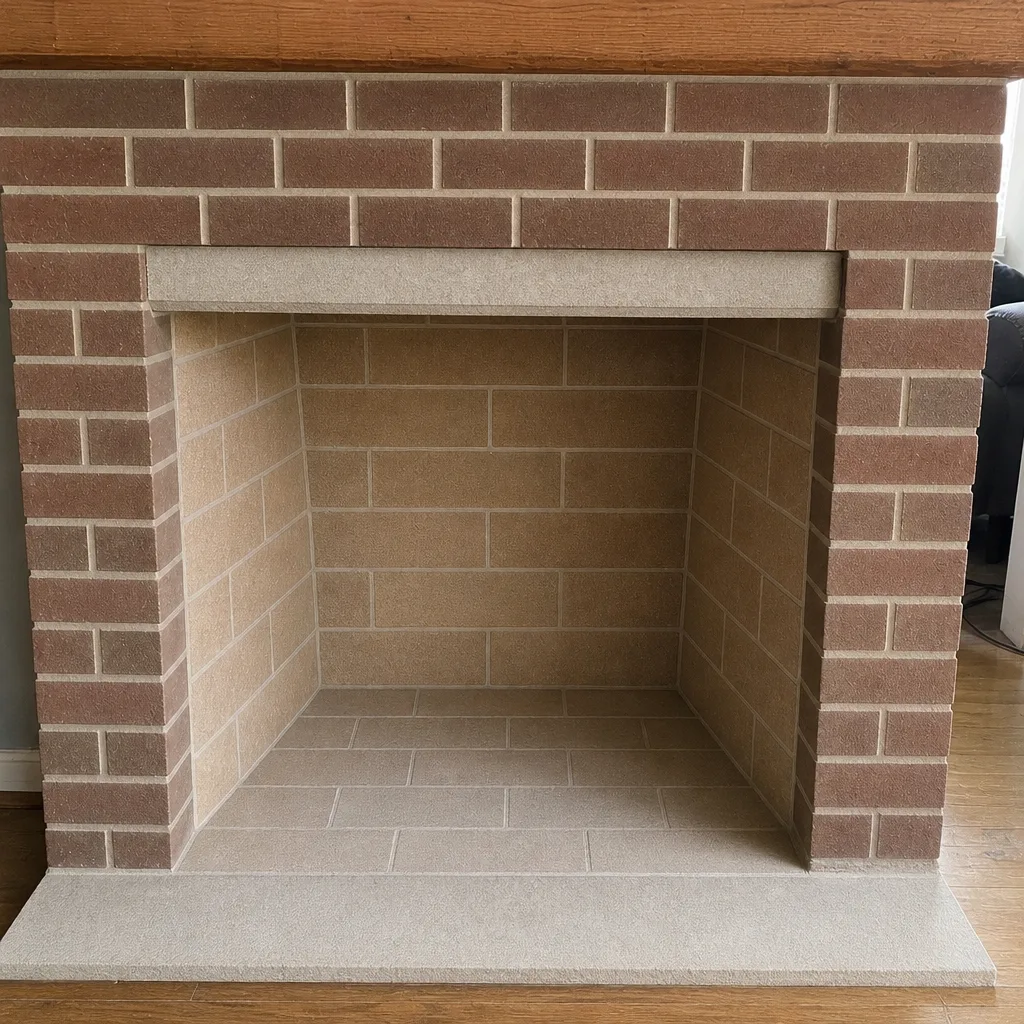
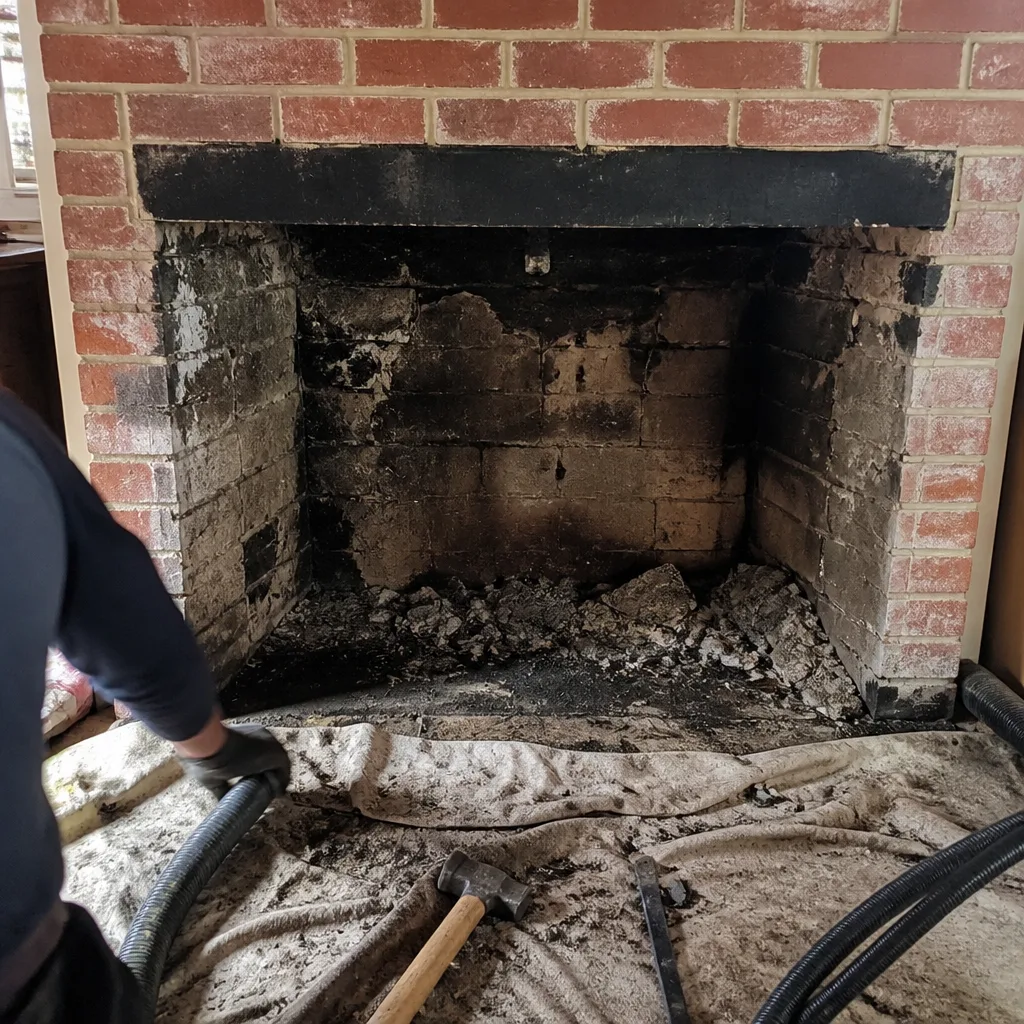
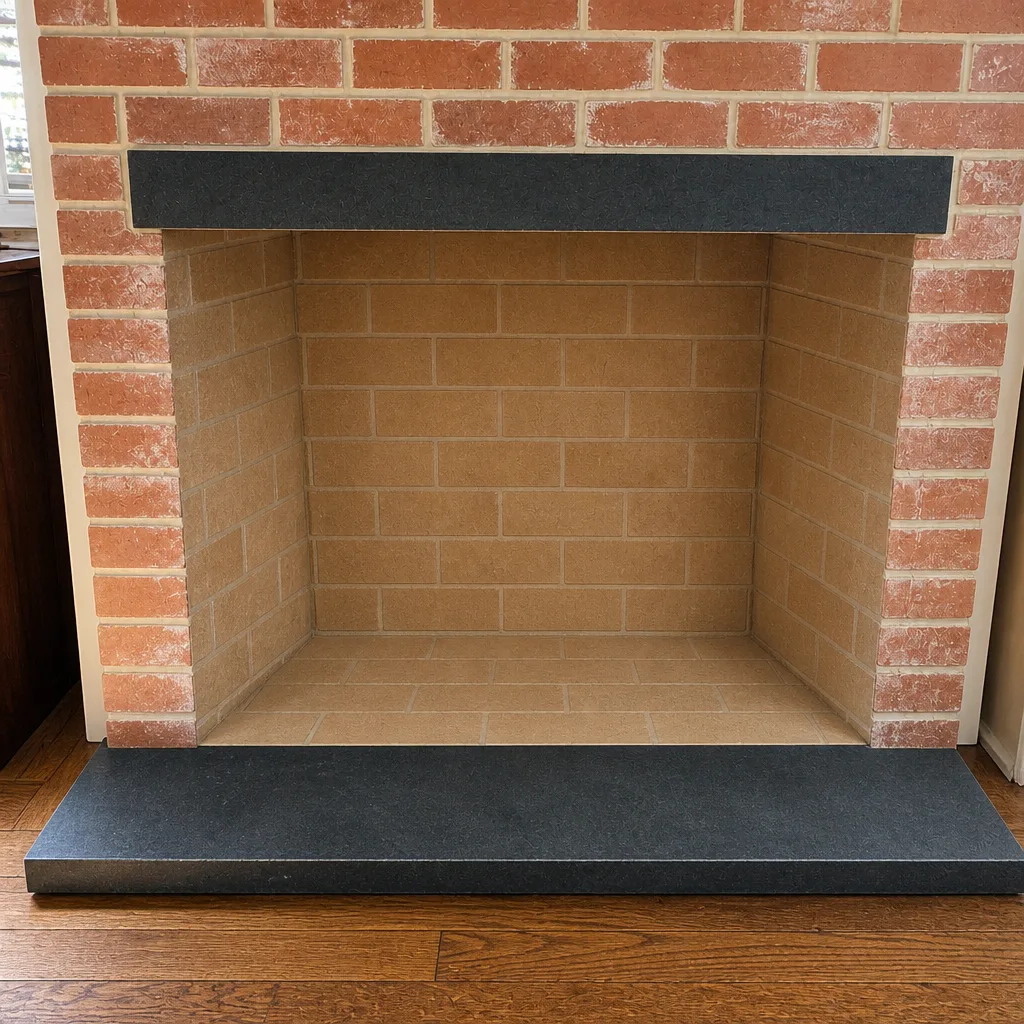
See the difference
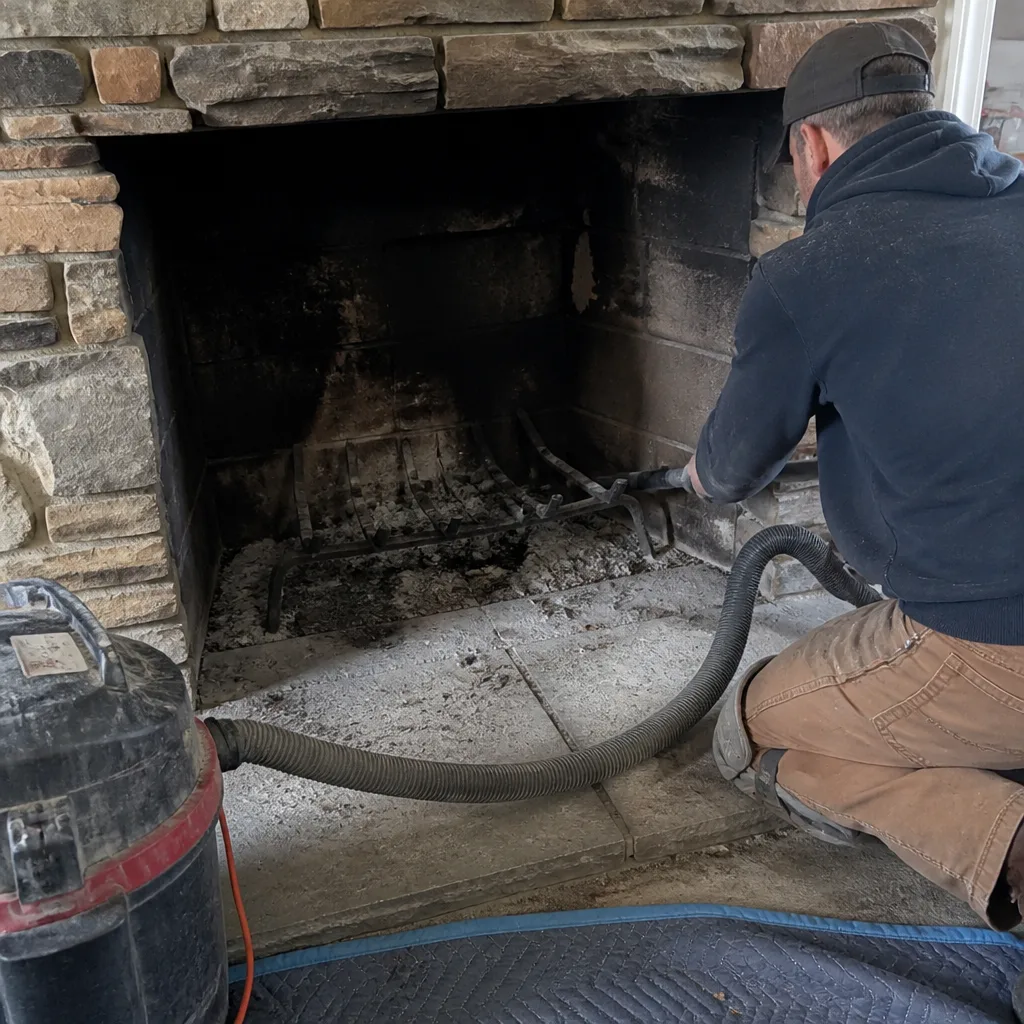 Before
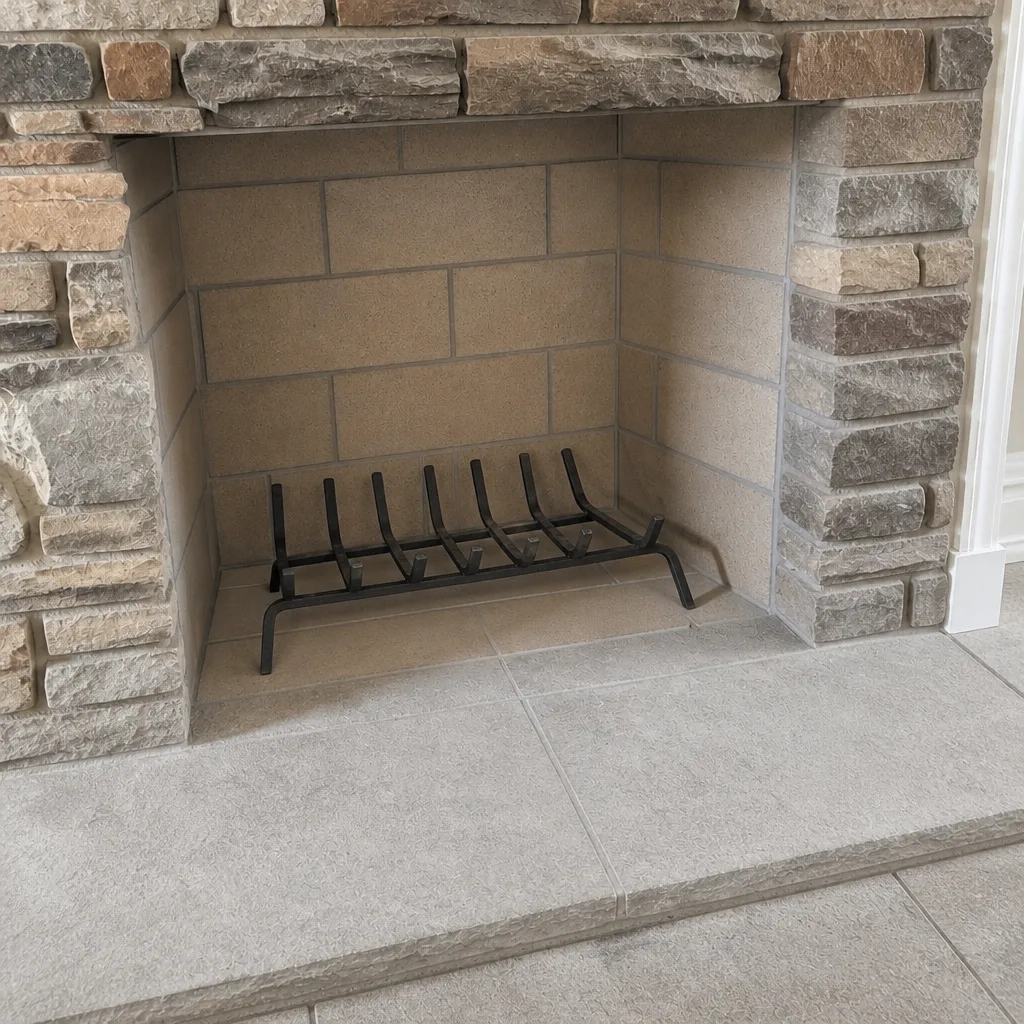 After
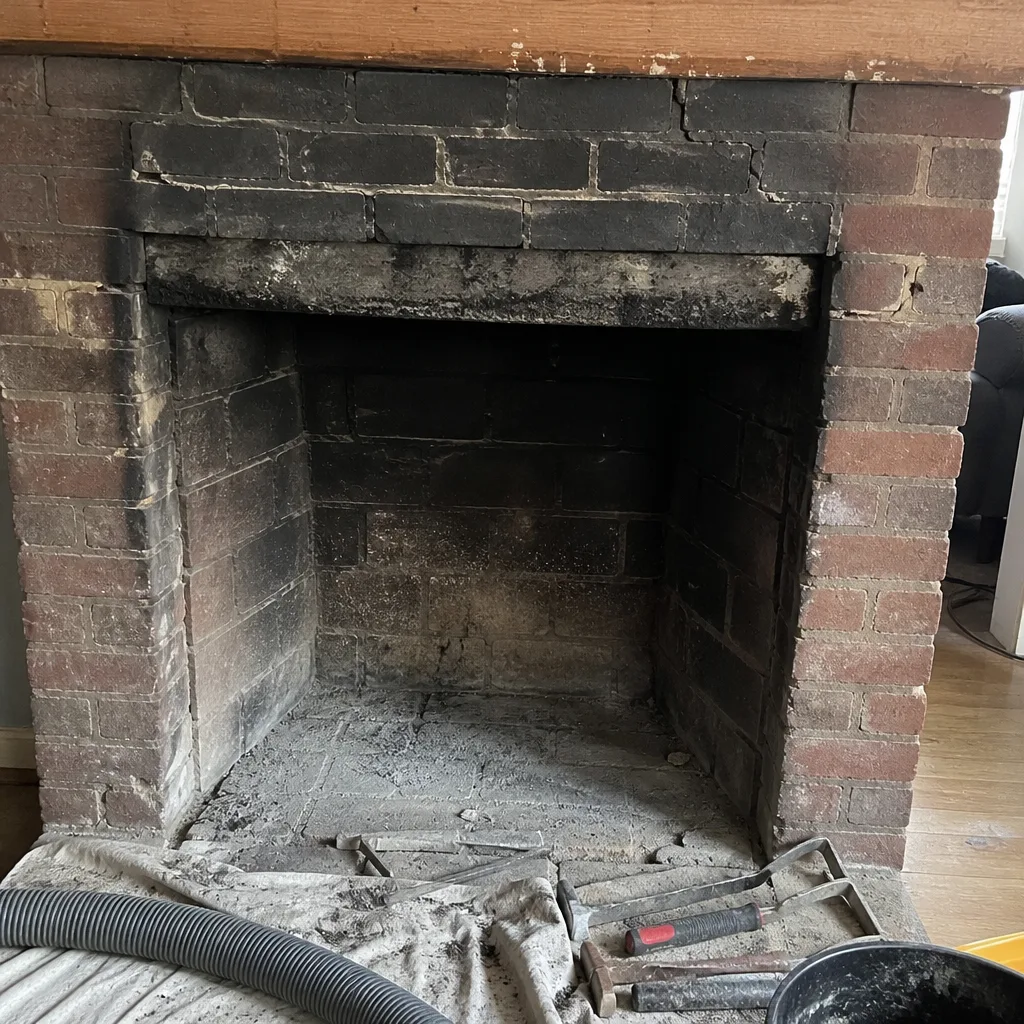 Before
 After
 Before
 After
When to Call a Professional
Some chimney issues you can address yourself; most you shouldn’t. Call a professional if you’ve had any kind of suspected chimney fire, if you see water in the firebox after a storm, if a CO alarm sounds near the fireplace, if you smell smoke in the room during a normal burn, if your cap is missing or clearly damaged, or if it’s been more than a season since your last inspection. If you’re buying a home, a standalone inspection before you commit is worth scheduling. And if you’re simply not sure whether there’s a problem, an inspection answers that question without pushing repairs on you.
Tacoma Chimney Sweep Co offers free estimates in Tacoma. Call (844) 945-4427 to get one on the calendar. We answer 24/7, and fast dispatch from 7am to 7pm gives you a reasonable window to plan around. If your call comes in outside dispatch hours, it’s booked into the next opening, Sunday through Friday, 7am to 7pm. Nothing is recommended without a camera inspection and a photo report you can look at yourself, so you’ll see what we see before deciding what to do.
Frequently Asked Questions
Call 911 first, and get everyone out of the room. Don’t wait to confirm it’s a real fire or try to look up the flue. Close the damper only if it’s safe to reach and no flames are spilling into the room. From outside, watch the top of the chimney; what you see there helps responders. Don’t use the chimney again until it’s been inspected. Call (844) 945-4427 for an inspection after the emergency is over.
Yes. A slow-burn chimney fire can be quiet, burn at a relatively low intensity, and go out on its own, leaving damage behind. The evidence shows up later as cracked flue tiles, warped metal, or a puffy, crumpled creosote deposit that looks honeycombed. If you suspect one, an inspection will tell you. Call (844) 945-4427 to schedule one before you burn again.
A missing or damaged chimney cap is the most likely cause. Water enters the flue, then finds its way down into the firebox. A cracked crown, deteriorated mortar, and failing flashing are also possible. Regardless of the source, it’s a structural failure, not just a weather event, so look at the cap and crown first. Call (844) 945-4427 for an inspection and an estimate.
Dangerous enough to stop burning until it’s repaired. A cracked tile lets exhaust escape sideways into the structure of the house rather than out the top, and in a tightly sealed modern home that can mean carbon monoxide infiltration. A camera inspection is the only way to see it reliably. Call (844) 945-4427 to get the flue checked.
Your chimney type (masonry with clay tile, metal prefab, or other), your fuel type (wood, gas, or insert), the last service date, and the signs you’re seeing. If anyone has a headache, dizziness, or confusion, say so immediately; that may indicate CO exposure. A simple chimney log gives you all of this in one place, and it’s worth starting now. If you want help getting the information together, call (844) 945-4427.
Once a year is the general rule, and more often if you burn frequently. An inspection catches the issues that are invisible from the room: cracks, creosote buildup, cap and crown problems, and the signs of a prior slow-burn fire. The inspection is a standalone service, so you get the facts without committing to repairs. Call (844) 945-4427 to put one on the calendar.
The Bottom Line
A chimney emergency is usually over in minutes, but most of what protects your home happens before it. Know the sequence if there’s a fire: call 911 first, clear the room, close the damper if safe, watch the top of the chimney from outside. Know the signs that a fire has already happened, especially cracked tiles and honeycombed creosote. Get water in the firebox attended to, because a wet chimney is a failing chimney. Keep a CO alarm working, and keep a simple log. Then get a professional inspection on a schedule. That’s it. That’s the plan.
The scope of what we handle runs from a routine sweep to a full reline, using trade-grade materials like HeatShield and DuraFlex rather than hardware-store substitutes. An honest inspection first, then a recommendation you can act on when you’re ready. Call Tacoma Chimney Sweep Co at (844) 945-4427 for a free estimate. We answer 24/7. Fast dispatch from 7am to 7pm, Sunday through Friday. Closed Saturday. See our related guides on fireplace repair and chimney cap & crown for the follow-up work most chimney emergencies eventually lead to.
Written by the team at Tacoma Chimney Sweep Co.