
Last updated November 25, 2026
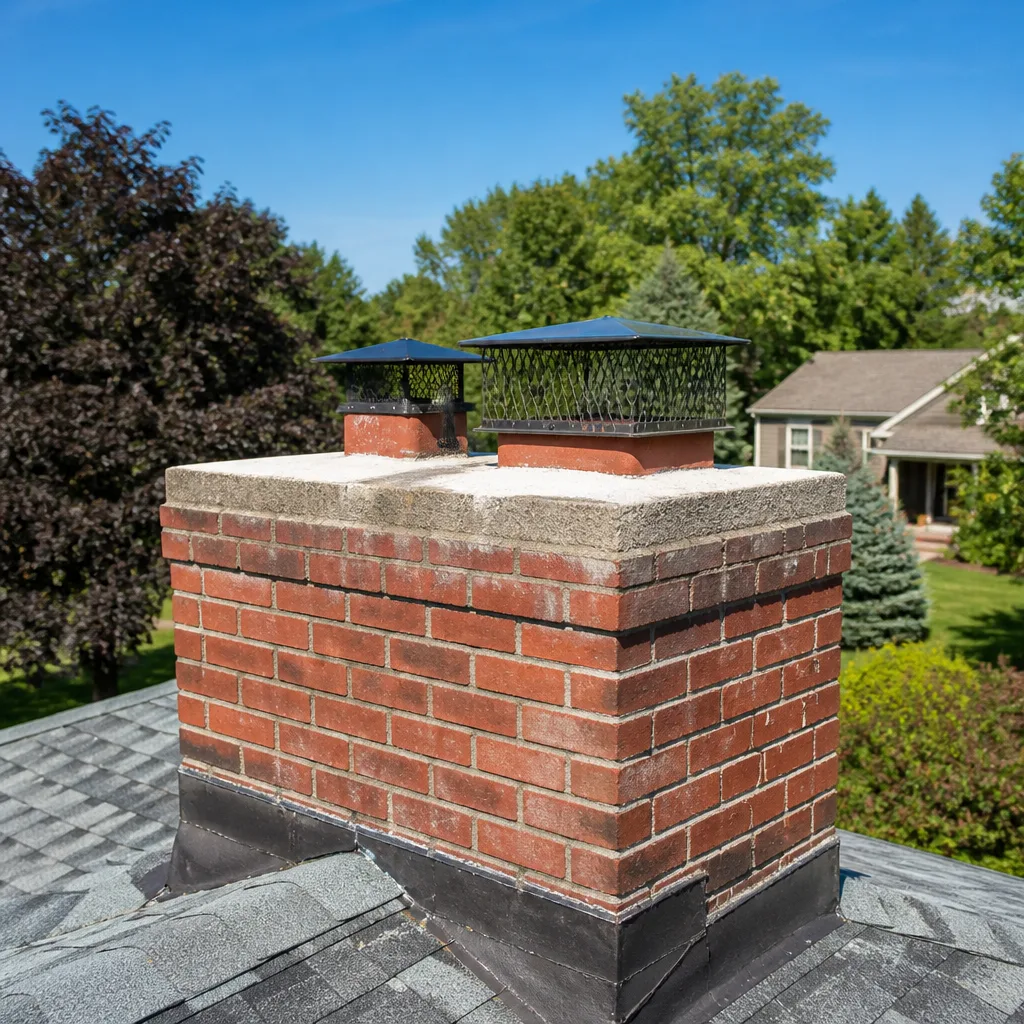 Sweep & inspection
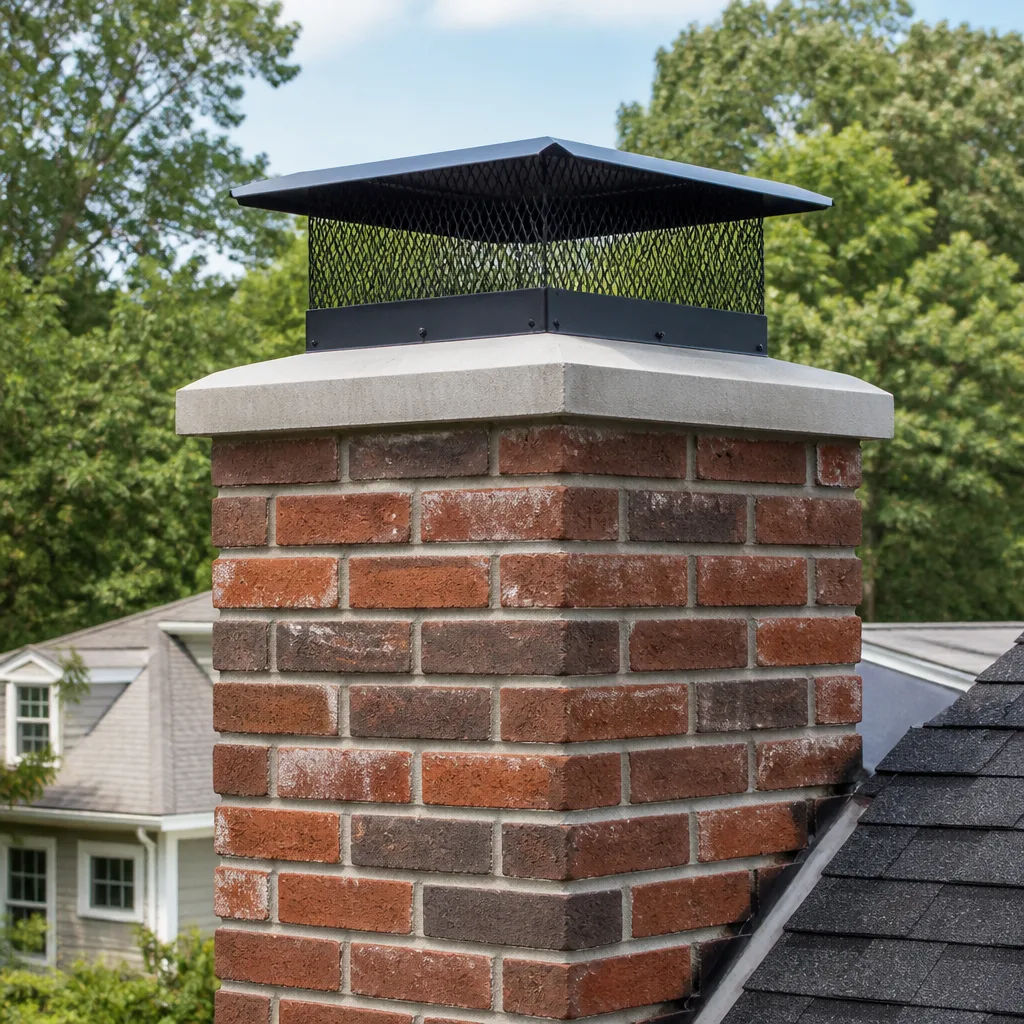 Caps & crowns
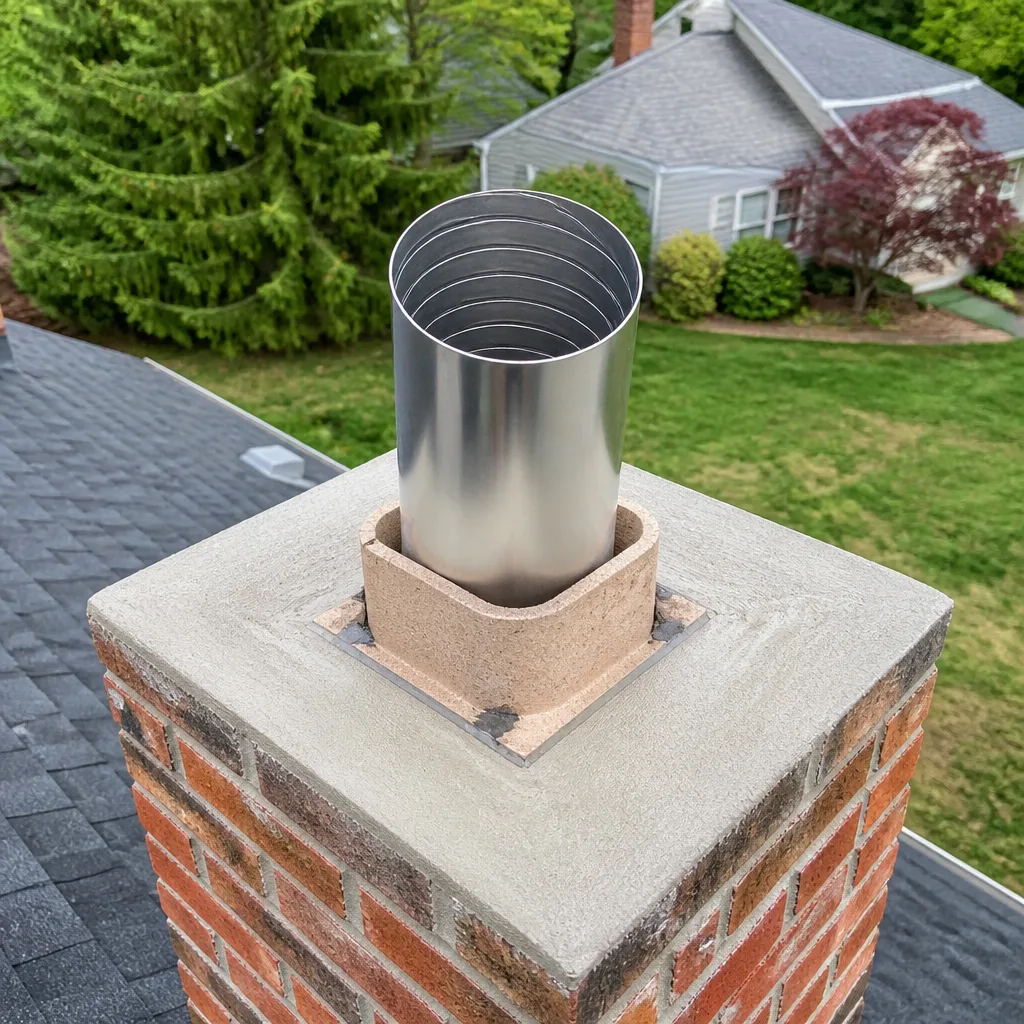 Flue relining
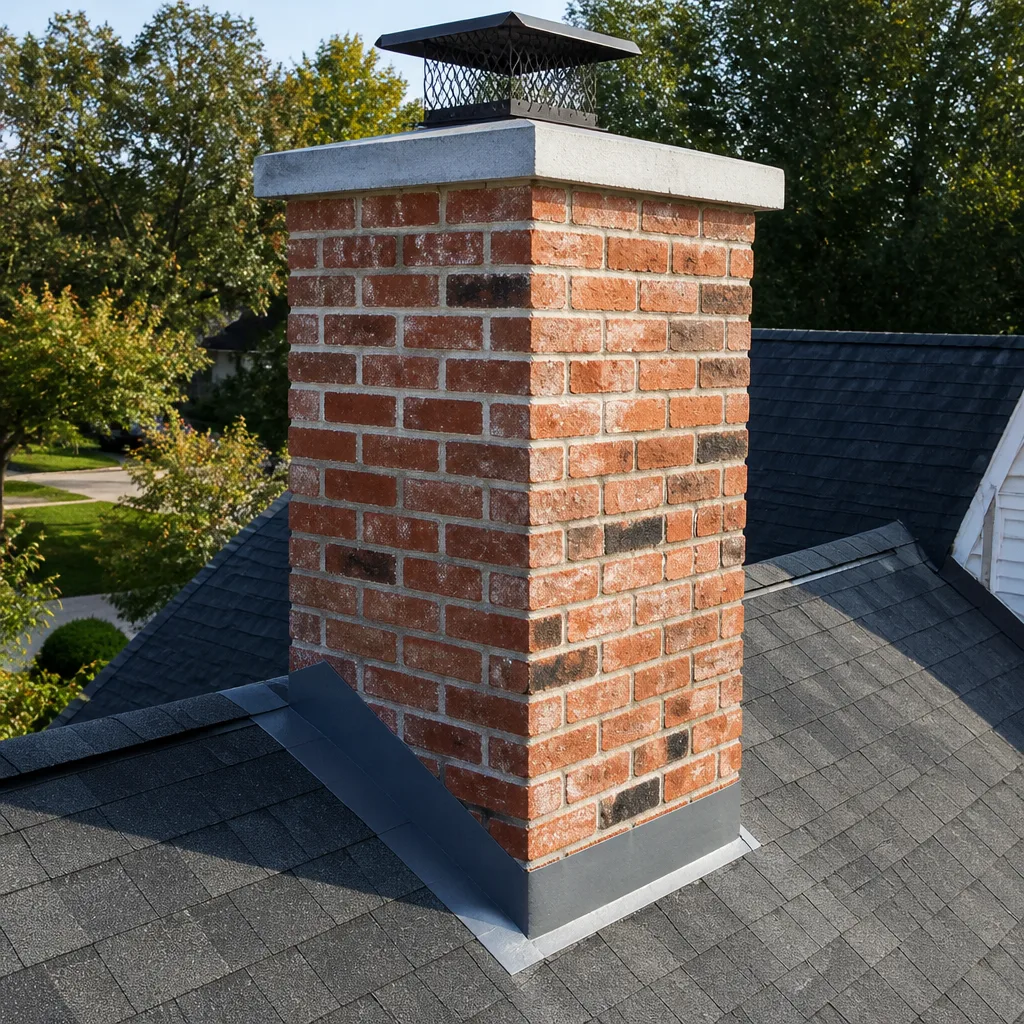 Masonry repair
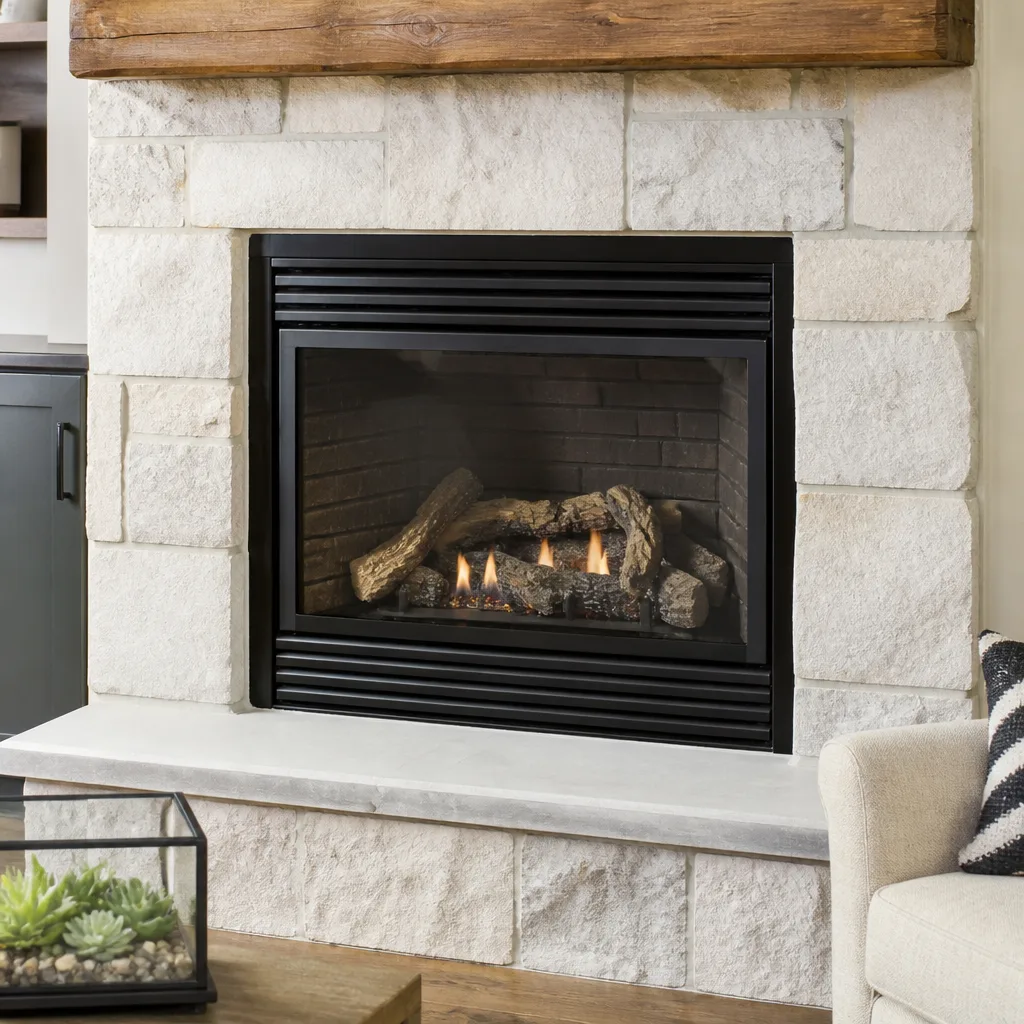 Gas fireplace service
Level 1 sweep and inspection to the NFPA 211 annual standard - flue, crown, cap, and flashing checked and photographed
Chimney sweep logs do not sweep chimneys. They loosen some creosote - which then falls where a brush and vacuum still have to collect it.
Seasonal Chimney Cleaning Care for Tacoma: Year-Round Homeowner’s Guide
Late September is the worst time to schedule a chimney cleaning in Tacoma. Every sweep in the city is booked two to three weeks out, and you’re lighting your first fire of the season into a flue nobody has looked at since last spring. Most chimney advice treats the work as an annual event, something you knock out in the fall and forget about. That advice was written for places where chimneys sit idle through a dry summer. Tacoma isn’t one of them. Our wet winters, humid summers, and tree cover mean your chimney takes a beating in every season, not just the cold ones. This guide walks through what to do in each of Tacoma’s four seasons so your chimney stays sound, your fires burn clean, and you’re never the person calling in a panic on the first cold night.
Quick Answer
The best chimney care schedule for Tacoma is four seasonal touchpoints, not one annual event: a summer moisture check and condensation inspection, a late-summer or early-fall cleaning before the heating season, winter mid-season monitoring from inside the firebox, and a spring post-season inspection after you’ve stopped burning. Scheduling your annual cleaning in July or August instead of October gets you faster availability, more thorough work, and time to fix anything found before you actually need the fireplace.
Styles & brands we work with
- Sweep & inspection
- Caps & crowns
- Flue relining
- Masonry repair
- Gas fireplace service
Table of Contents
- Why Tacoma Needs Year-Round Chimney Care
- Summer in Tacoma: The Moisture and Condensation Season
- Fall in Tacoma: The Pre-Season Cleaning Window
- Winter in Tacoma: Mid-Season Monitoring That Catches Real Problems
- Spring in Tacoma: The Post-Season Inspection
- Why Scheduling in July or August Beats October
- How to Spot Off-Season Moisture Intrusion Before It Becomes Structural
- Wildlife Nesting Season and Your Tacoma Chimney
- The Monthly Firebox Check for Heating Season
Why Tacoma Needs Year-Round Chimney Care
Chimney maintenance advice mostly comes from places where summer means long dry stretches. In Tacoma, summer humidity is real. The air stays damp enough that a chimney that hasn’t been used in months can collect condensation inside the flue, especially on cool mornings after warm afternoons. That condensation doesn’t just sit there. It reacts with the soot and creosote residue left from last winter and, on a clay tile liner, works its way into the joints and mortar. Given enough seasons, that’s how a hairline crack becomes a real problem.
The same goes for the outside of the chimney. Tacoma’s wet weather hits masonry constantly. The crown, the mortar joints, the brick faces. When the crown cracks, water gets behind it and starts doing its slow work on the structure underneath. That’s a pattern we see repeatedly in this region: the chimney looked fine in October, and by the next spring there’s spalling brick on the south-facing side where the sun dries and the rain re-wets it on repeat.
Then there’s the tree cover. Tacoma’s neighborhoods are full of mature conifers, maples, and oaks, which means leaves, needles, and seed pods drop onto roofs and into any open flue. An uncapped chimney is a leaf trap from October through December, and a partially blocked flue draft is both a fire risk and a carbon monoxide risk.
Add the heating season itself, which in Tacoma runs long. Fires start in October, often well into April, and sometimes a cool May morning gets one too. That’s six to seven months of active use, which is why treating chimney care as an annual fall event misses most of what’s actually happening.
- Summer humidity keeps the flue damp; condensation reacts with residue and attacks the liner
- Year-round rain works on crowns and mortar joints
- Tree cover dumps debris into uncapped flues every fall
- A long heating season means creosote builds throughout, not just once
- By the time you smell a problem, the damage is usually a season old
The good news is that a seasonal rhythm catches most of this cheaply, before it turns into chimney repair work. What follows is the schedule we recommend for homes across Tacoma and the surrounding neighborhoods.
Summer in Tacoma: The Moisture and Condensation Season
Summer is the season most homeowners skip entirely, and in Tacoma that’s a mistake. Between June and August, your chimney isn’t dormant. It’s sitting in warm, humid air with a firebox that hasn’t been warm in months. Damp interior air moves up the flue and condenses against cooler masonry, especially overnight and on the shaded north side of the house. On a clay tile liner, that moisture sits in the joints. On a metal liner, it’s less damaging but still worth checking at the seams.
What does summer chimney care actually involve? It’s less about cleaning and more about checking. A chimney inspection in July or August looks at the interior of the flue with a camera and confirms the liner isn’t developing cracks or spalling. It also checks the outside of the chimney for moisture damage that started during the wetter months and hasn’t been caught yet.
- Look up the flue from the firebox with a flashlight. Any white, chalky residue on the tiles is called efflorescence, and it usually means water is moving through the masonry.
- Check the firebox and damper for rust or staining. Rust on the damper is a sign the flue is staying damp.
- Look at the chimney crown from the ground. Cracks here are the single most common source of the water damage we see in Tacoma homes.
- Note any musty or smoky smell on humid days. That’s a draft problem or a moisture problem, or both.
- Confirm the cap is intact. A damaged chimney cap & crown lets rain straight into the flue in summer just as easily as in winter.
If summer checks turn up anything suspicious, you’ve got weeks to deal with it before the heating season starts. That’s the value of summer. It’s the one time of year when a repair doesn’t feel urgent and the schedule is open.
Fall in Tacoma: The Pre-Season Cleaning Window
Fall is when most Tacoma homeowners call for their annual chimney sweep. It also happens to be the busiest two months of the year for every sweep in the region, which is why a chimney sweep booked in September often isn’t available until October. If you’re reading this in July and thinking “I’ll just call in September,” read the section on early scheduling below before you decide.
The pre-season cleaning itself is about removing what last winter left behind: creosote, soot, and any summer debris. A proper sweep includes a camera inspection of the flue because some of what we’re looking for can’t be seen from the top or the bottom. Cracked tiles, gaps in mortar, and glaze-stage creosote all show up on camera. If the flue is in good shape, the sweep confirms it and you’re set for the season. If not, you’ve got time to schedule any needed work.
Fall is also when the debris load spikes. Leaves, pine needles, and seed pods from Tacoma’s mature trees land on roofs and slide into any uncapped flue. An open chimney on a heavily treed lot can collect a surprising leaf pile in a few weeks, and that pile restricts draft and catches sparks. If your chimney has no cap, or the cap is damaged, this is the season it does the most damage. Get it addressed before the first fire.
One more fall check: the exterior. After the first rains, walk around the chimney and look for any staining on the brick, any change in the mortar, and any water running down the side rather than off the crown. A small flashing leak in October becomes interior wall staining by January. Catching it in October costs a repair. Catching it in February frequently costs a repair plus the work to fix the water damage inside.
Winter in Tacoma: Mid-Season Monitoring That Catches Real Problems
Winter is when the chimney is actually working, which means it’s also when problems first show symptoms. The point of mid-season monitoring isn’t to clean. It’s to notice changes early enough that they don’t become a fire risk or a costly repair. During the active heating season, do a quick self-check once a month from inside the firebox.
What you’re looking for:
- Creosote buildup. A thin, dusty layer is normal. Flaky, crusty, or glazed creosote is not. Glaze-stage creosote is what chimney fires burn on.
- Smoke rolling into the room. A draft that was fine in October and isn’t in January usually means a partial obstruction.
- An unusually smoky smell even when the fireplace is cold. That can mean soot has built up enough to smell, or that something is nesting or blocked.
- Any sign of water. Damp ash, rust on metal parts, or staining on the firebox brick.
- Damaged or missing damper. A damper that no longer seals makes draft unpredictable and heat loss worse.
If any of these appear, book an inspection rather than assuming it’s fine until spring. The winter inspection doesn’t have to lead to work. Often it doesn’t. But a glazed flue or a partially blocked cap in January is a real hazard, and the fire safety risk is not something to defer for a nicer season.
One word of caution. We never recommend anyone climb onto a roof in Tacoma’s winter to check the chimney themselves. Wet mossy shingles and steep pitches in this region are genuinely dangerous. Do the interior checks and let a trained inspector go up.
Spring in Tacoma: The Post-Season Inspection
Spring is the neglected season, and it’s the one that pays the most. Once you’ve stopped burning (usually by mid-spring in Tacoma, sometimes earlier depending on the year), an inspection catches everything the heating season did. That’s when we see glaze-stage creosote, heat-stressed metal liners, cracks that opened up over winter, and moisture damage that started during the wet months. Any of those is easier and cheaper to address in May than in October.
Spring is also when the exterior of the chimney goes through its most important transition. Late winter and early spring rains soak the masonry, and then the warm days start drying it. That wet-dry cycle accelerates cracking in mortar and brick, and it’s the reason chimney repair work is often scheduled in spring. A chimney crown that held up through the winter can crack in a single wet-dry spring. If it does, an inspection in April or May lets you fix it before summer humidity gets into the masonry behind it.
Spring checks also matter for a different reason: real estate. If you’re planning to sell or buy a home in Tacoma during the busy summer and fall market, a pre-purchase chimney inspection done in spring means you’re not waiting for schedule availability when the deal is live. A standalone inspection is exactly that: an honest assessment of the chimney, with no requirement to book the work. That’s useful whether you’re the buyer, the seller, or the agent representing either.
Put spring on your calendar as the season to look, not necessarily to fix. Just look. You’ll find most years are fine, and the years that aren’t, you’ve got time.
Why Scheduling in July or August Beats October
The single biggest scheduling mistake Tacoma homeowners make is waiting until the first cold snap to call for a chimney sweep. By mid-fall, every sweep in the city is booked out two to three weeks, sometimes more. You end up lighting your first fire of the season into a flue nobody has checked since last year, and if there’s a problem, you’re either burning anyway or you’re cold for a few days while you wait for an opening.
Book in July or August instead, and several things happen:
- You get the appointment you want. Availability in midsummer is far better than in September and October.
- The work is more thorough. A sweep isn’t rushed when the phone isn’t ringing off the hook.
- You have time to act on findings. If the inspection turns up something that needs repair, you can schedule it before the heating season instead of during it.
- You catch summer moisture problems before they get worse. The moisture check and the pre-season cleaning happen in the same visit.
- No scramble. You spend October doing something other than calling around trying to find a sweep with a slot.
The compromise most people land on is “I’ll call in September.” That’s better than October, but it’s still late. The best window is genuinely mid-summer. If you’ve already missed it for this year, call anyway. There’s always value in getting on the schedule, even if it’s a couple of weeks out, and the inspection still catches what it catches.
One thing to be clear about up front, whichever month you book: the estimate is written and it’s free. You get the price in writing before any work is done, and the price is set per job by that written estimate. No surprises on the invoice.
How to Spot Off-Season Moisture Intrusion Before It Becomes Structural
Water does most of its damage to Tacoma chimneys between burning seasons, not during them. The wet weather and warm-dry stretches combine to push water into masonry that isn’t fully protected, and the signs are usually visible long before the damage is structural. Knowing what to look for is most of the battle. Here are the four signs we’d rank as most important.
- Efflorescence. White, chalky, or powdery deposits on brick or firebox tiles. This is salt pushed out of the masonry as water moves through it and evaporates. It means moisture is traveling through the brick or mortar. It’s not yet structural damage, but it’s the earliest sign that water is getting in somewhere.
- Spalling. Flaking, peeling, or crumbling brick faces. Spalling is efflorescence’s next stage. Water has gotten behind the brick face and is pushing it off from the inside, usually because the brick has frozen and thawed or simply expanded from water absorption. Spalling brick needs attention because each flake exposes softer material underneath.
- Interior wall staining. Brown or yellowish stains on the ceiling or wall near the chimney, or on the chimney chase inside the attic. This is often a cap or crown problem letting water through, and it can appear weeks after the actual leak starts.
- Rust or staining on the damper and firebox metal. A chronically damp flue will rust metal components even in summer, when there’s no fire to dry things out.
The two structural causes behind all of these are almost always the same: a cracked crown or a missing or damaged cap. The crown is the concrete or mortar top surface that sheds water off the chimney. When it’s intact, water runs off it and away from the masonry. When it cracks, water gets in behind it and goes down into the brick. The cap covers the flue opening itself. When it’s intact, rain can’t get down the flue. When it’s broken, water goes straight into the smoke chamber.
Both are fixable, and both are worth fixing before they cause interior damage. Our tradespeople work with professional-grade materials like Olympia Chimney and Copperfield for caps and crowns because standard hardware-store substitutes don’t hold up to Tacoma’s wet-dry cycles. The right product matters in this climate. If you’ve seen any of the four signs on this list, it’s worth a look before the situation can spread into the framing.
Wildlife Nesting Season and Your Tacoma Chimney
An uncapped chimney in Tacoma is a sheltered, warm, dry cavity that sits there looking exactly like a nest site. Birds find it. Squirrels find it. Raccoons find it. And in spring, they use it. The typical species that turn up in uncapped flues in the Pacific Northwest include starlings, sparrows, swallows, chimney swifts (less common in this region but present), squirrels, and occasionally raccoons near tree-heavy neighborhoods.
This matters for two reasons. The first is fire safety. A bird nest, dried leaves, twigs, and squirrel debris inside a flue does two things: it restricts draft, and it introduces a combustible load right where heat and sparks go. Neither is something to leave in place for the season. The second is legal. Starlings and sparrows are not protected, but most songbirds are covered under federal law, and active nests with eggs or young generally can’t be disturbed or removed. Raccoons are often covered under state regulations. If you discover an active nest in your chimney during spring, the honest advice is to wait until the young have left before scheduling work. That’s a legal requirement, not just a courtesy.
The right way to avoid the whole situation is a chimney cap. A well-fitted cap keeps birds, squirrels, and debris out of the flue while still allowing exhaust to escape. If your chimney doesn’t have one, or the one it has is broken or poorly fitted, spring is the season to get it sorted. Our chimney cap & crown installation uses trade-grade products, and getting a cap on before the next nesting season is the cheapest wildlife-prevention work there is. We also recommend capping the flue on any chimney connected to a gas fireplace that’s not currently in use. Unused, open flues are the most-attractive nest sites of all.
The Monthly Firebox Check for Heating Season
During the active heating season, a simple interior check once a month catches most of what would otherwise become a mid-season surprise. It takes five minutes and never requires you to leave the room. Do it when the fire is cold, before your next fire.
- Shine a flashlight up the flue. Look at the walls above the smoke chamber. Thin, dusty creosote is normal. Flaky, crusty, or shiny glazed creosote is a sign the flue needs a sweep sooner than planned.
- Check the damper operation. Open and close it fully. If it sticks, rattles, or won’t seat, note it. A damper that’s failing can usually be repaired without replacing the whole assembly, but not if you ignore it for a season.
- Look for smoke spill. On your first light of a fire, watch whether smoke rises cleanly up the flue or rolls out into the room. Rolling smoke means draft is compromised, and that’s a call-now issue, not a next-month issue.
- Check the firebox for cracks. Hairline cracks in firebrick are often cosmetic. A crack you can fit the tip of a screwdriver into, or any crack in the firebox that’s causing ash to escape, needs a professional look. Our fireplace repair service covers firebox damage, damper repair, and the metal and masonry components that keep the fire contained.
- Check the ash pit and cleanout (if your chimney has one). Ash level should stay well below the grate. A cleanout full of ash and debris is a sign the flue is dumping more than it should.
- Look for water. Damp ash, rust, or staining around the firebox means water is getting in somewhere. Note it and plan to book an inspection when burning season ends.
What this check is not is a substitute for a professional sweep. The flue above the smoke chamber is where most of the creosote builds, and you can’t see it well from below. But the monthly check will catch the things you can see, and it gives you a much better sense of what’s normal for your fireplace, which makes changes easier to spot.
And one safety note. Never do anything more than look. No brushing, no scraping, no trying to dislodge a blockage yourself. Chimney work involves height, heat, and the possibility of an unseen structural problem. Something that looks like a small job from the firebox can turn dangerous quickly.
Common Mistakes to Avoid
- Waiting until October to book your sweep. By mid-fall, every Tacoma sweep is booked out weeks and you’ll be lighting your first fire of the season uninspected. Book in summer and sidestep the entire problem.
- Treating chimney care as a single annual event. This is the biggest miss in Tacoma. Our wet-dry cycles cause damage year-round, so a spring inspection and a summer moisture check each catch things an October sweep can’t.
- Burning with an uncapped flue. Between leaves, pine needles, and passing wildlife, an uncapped chimney in this region collects obstruction surprisingly fast. A cap is the cheapest fire-safety upgrade there is.
- Clearing an active bird nest yourself. Protected species mean there’s a legal question here, not just a practical one. If you find an active nest, wait until the young have left and get a professional to check the flue after.
- Climbing onto the roof to “check things out” during the wet months. Mossy, wet shingles in this climate are a serious fall hazard. Let a trained inspector do the roof work and stick to the interior checks.
- Ignoring efflorescence or spalling until it’s structural. Chalky white deposits and flaking brick are the early signs of moisture damage. Fix the crown or cap when they appear and you avoid the interior repairs that follow.
- Assuming a gas fireplace doesn’t need a chimney inspection. Gas units still have a flue, and unused flues are the most attractive nest sites of all. An inspection and cap still make sense even if you don’t burn wood.
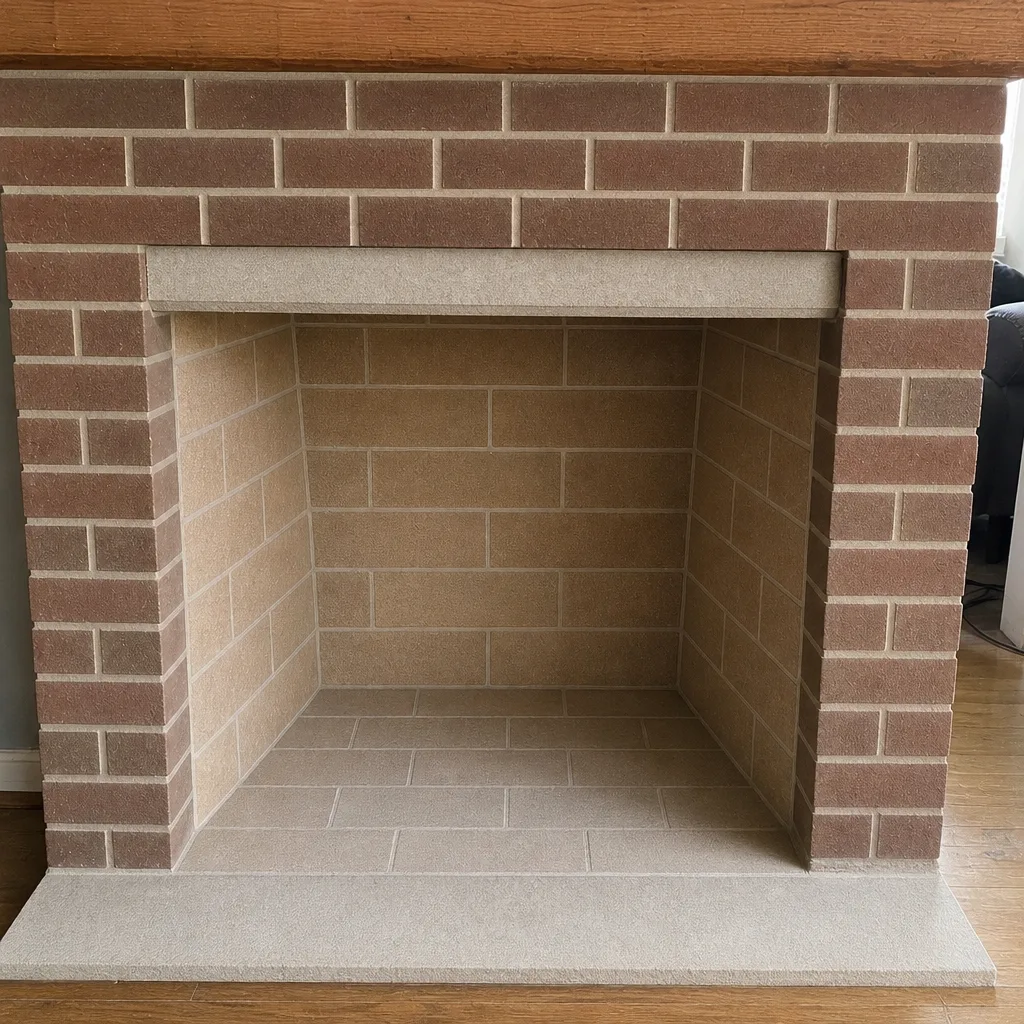
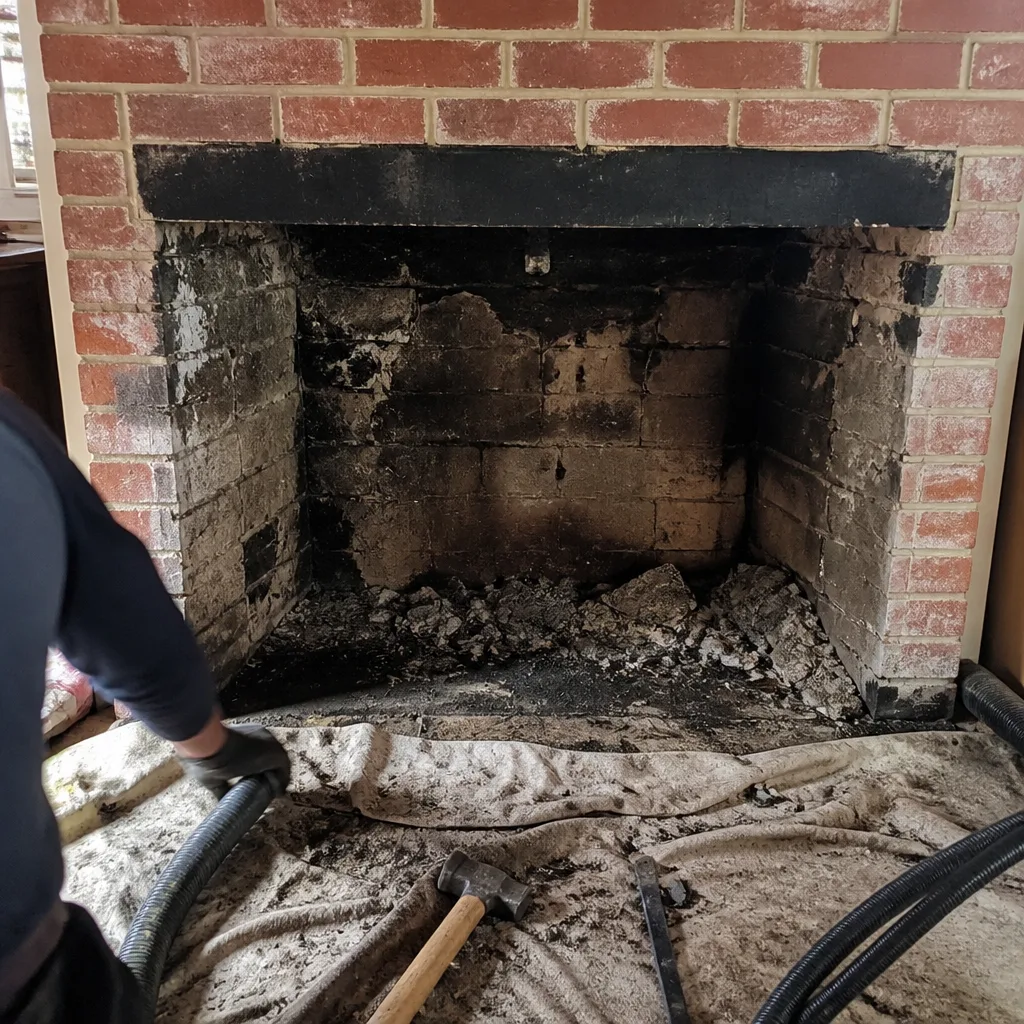
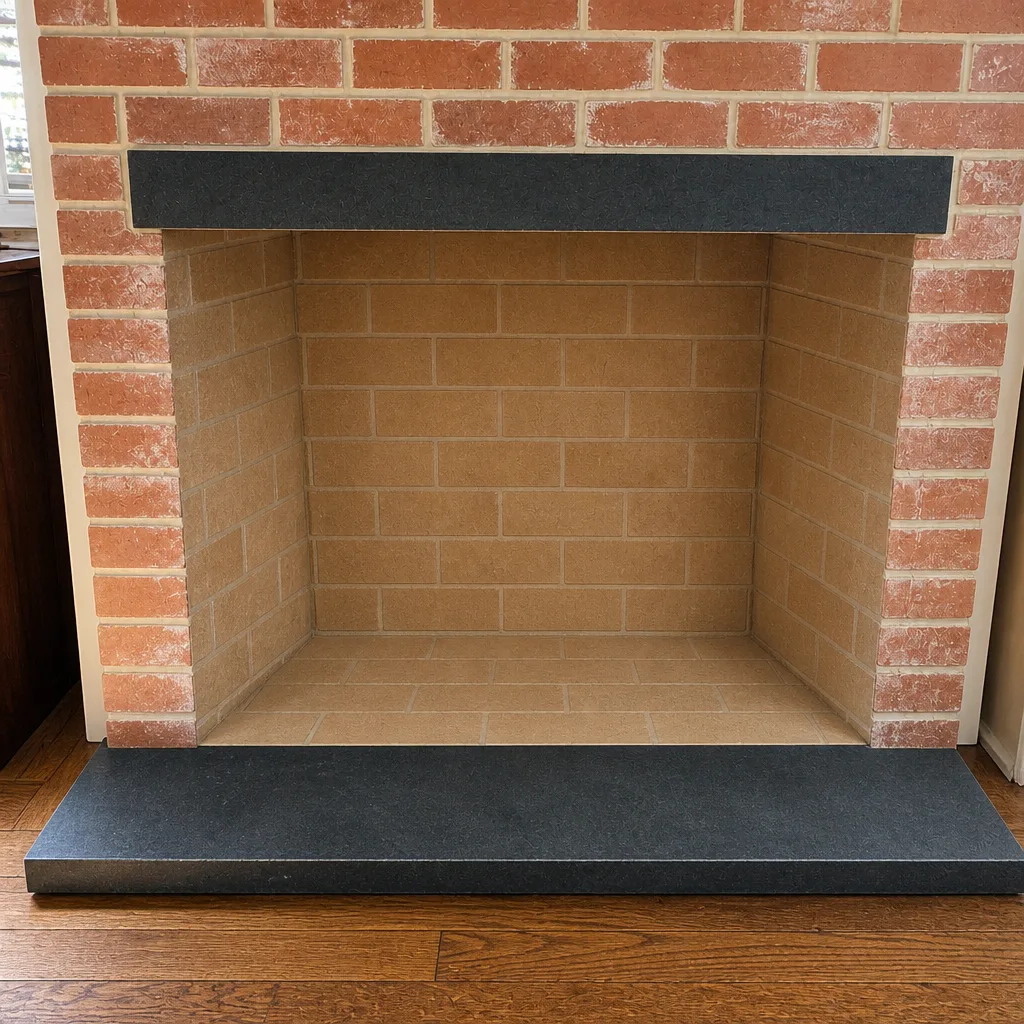
See the difference
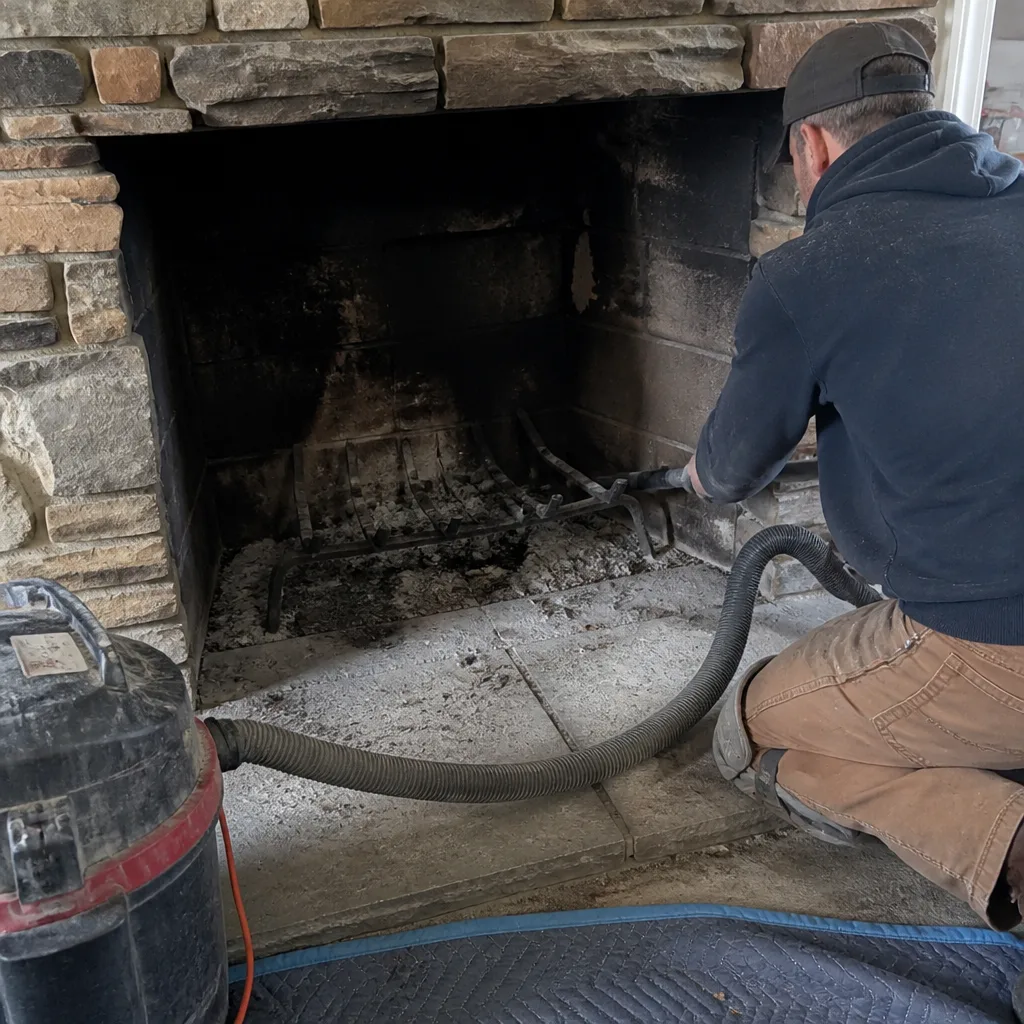 Before
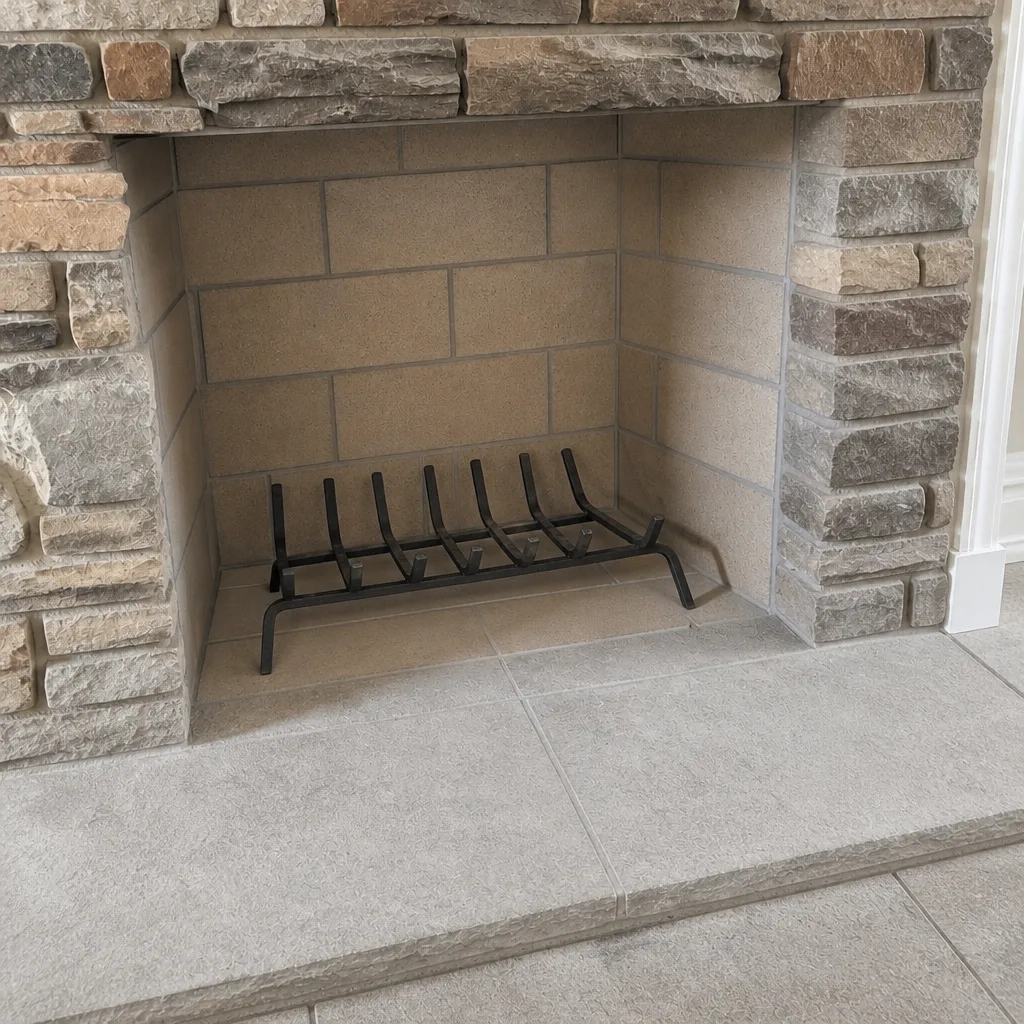 After
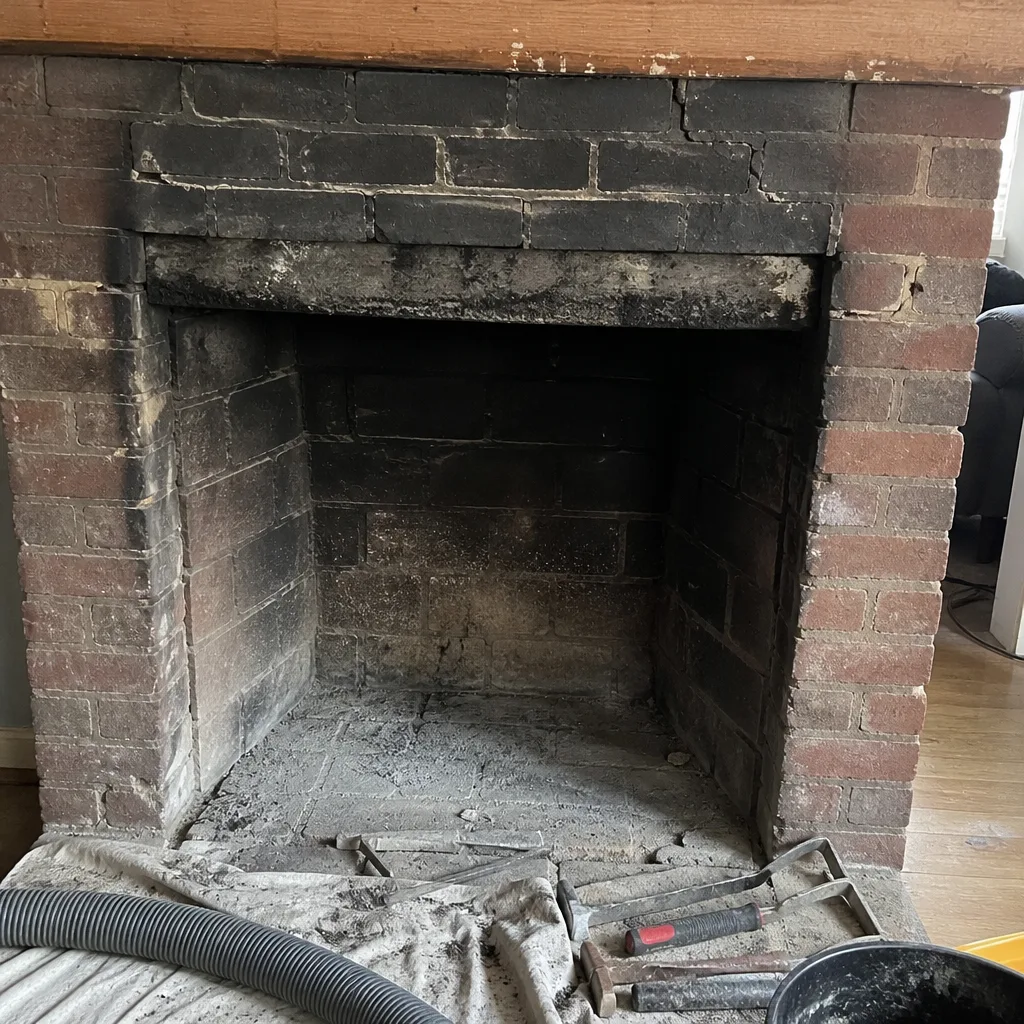 Before
 After
 Before
 After
When to Call a Professional
Call for a professional inspection when you find flaky or glazed creosote in the firebox, when smoke rolls into the room on the first light of a fire, or when you see any of the moisture signs covered above (efflorescence, spalling brick, interior wall staining, rust on the damper). Call if your carbon monoxide detector has gone off or your fireplace has started behaving differently than it did last week. Call if you find evidence of an active wildlife nest, and we’ll help you figure out the timing. Also call for a routine sweep if it’s been more than a year since the last one, and call for a standalone inspection if you’re buying or selling a home in Tacoma and need a straight assessment before closing.
Tacoma Chimney Sweep Co offers free estimates in Tacoma. Call (844) 945-4427. We answer 24/7. Fast dispatch from 7am to 7pm, Sunday through Friday, closed Saturday. Every sweep includes a camera inspection and a photo report you keep. Nothing is recommended without evidence you can see for yourself, and if work can safely wait, we’ll tell you that too. Our technicians have up to 10 years of experience, and we handle the whole chimney from the firebox to the crown: Tacoma Chimney Sweep Co.
Frequently Asked Questions
Once a year for most wood-burning fireplaces, timed for late summer or early fall before the heating season starts. If you burn frequently through Tacoma’s long season, or you notice glaze-stage creosote during your monthly checks, plan for a mid-season sweep too. Gas fireplaces still benefit from an annual inspection even though they don’t produce creosote the way wood does.
Call (844) 945-4427 to book a sweep in Tacoma. We answer 24/7. Fast dispatch from 7am to 7pm, Sunday through Friday, closed Saturday.
You can and you should. July and August appointments are far easier to get than September and October, the work is more thorough, and if the inspection finds something, you’ve got time to fix it before the heating season starts. A summer visit also catches moisture issues that are invisible by the time October arrives.
Call (844) 945-4427 for a free estimate on a summer cleaning in Tacoma. We answer 24/7.
The price depends on the flue configuration, the amount of buildup, and any repair work needed. Every job is priced per job by a written estimate, and that estimate is free. You’ll see the exact figure before any work starts, so there’s no guessing and no surprises on the invoice.
Call (844) 945-4427 for an exact quote. Estimates are free.
Skipping summer means moisture damage can progress through the crown and into the masonry before anyone notices. Skipping fall means your first fire of the season burns into an uninspected flue with whatever creosote and debris last winter left behind. Skipping winter monitoring means small issues become larger ones while you’re actively burning. Skipping spring means you lose the easiest window to fix the season’s damage before the next heating season starts.
Call (844) 945-4427 to get a routine inspection on the calendar. Estimates are free.
Yes, and cap installation is one of the highest-value items on the whole chimney. A cap keeps rain out of the flue, keeps leaves and pine needles out, and prevents birds, squirrels, and raccoons from using the chimney as a nest site. It’s the single cheapest way to protect against the most common causes of chimney damage in this region.
Call (844) 945-4427 for a free estimate on cap and crown work. We answer 24/7.
The four classic signs are white chalky deposits on brick or firebox tile (efflorescence), flaking or crumbling brick faces (spalling), brown or yellow staining on interior walls or ceilings near the chimney, and rust or staining on the damper or firebox metal. Any of these means water is getting in somewhere, usually through a cracked crown or a damaged or missing cap.
Call (844) 945-4427 for an inspection. We answer 24/7. Fast dispatch from 7am to 7pm, Sunday through Friday, closed Saturday.
The Bottom Line
Tacoma’s climate keeps the chimney under stress all year, so the right schedule is four seasonal touchpoints, not one. Summer for the moisture check and condensation inspection. Late summer or early fall for the cleaning, which is a far better bet than waiting until October. Winter for mid-season monitoring from inside the firebox. Spring for the post-season inspection that catches whatever the heating season left behind. The single highest-leverage change most Tacoma homeowners can make is shifting their annual cleaning from fall to mid-summer. The second is getting a proper cap on any open flue before the next nesting season. Do those two things and your chimney will stay sound through every season without a single panicked phone call.
Whether you’re ready to book a sweep, need a standalone inspection before a sale, or just want someone to look at a crack in the crown and tell you the truth about whether it can wait, give us a call. We handle the whole chimney from the firebox to the crown, with professional-grade materials from HeatShield, Gelco, Olympia Chimney, and Famco, and the same team from diagnosis through repair.
Call (844) 945-4427 for a free estimate. We answer 24/7. Fast dispatch from 7am to 7pm, Sunday through Friday, closed Saturday.
Written by the team at Tacoma Chimney Sweep Co.